Delivery and Assembly Realities When Buying a Fabric Sofa Online in Singapore
I ordered my first fabric sofa online nine years ago, the week my husband and I collected the keys to our three-room HDB flat in Bedok. The listing said "easy delivery." What arrived was a 2.1-metre box wedged diagonally across the lift lobby on the 12th floor, two delivery men, and a neighbour staring at us over a potted aloe vera. That was the day I started treating sofa buying the way my father treated his carpentry: measure twice, plan the route, and never trust a product photo.
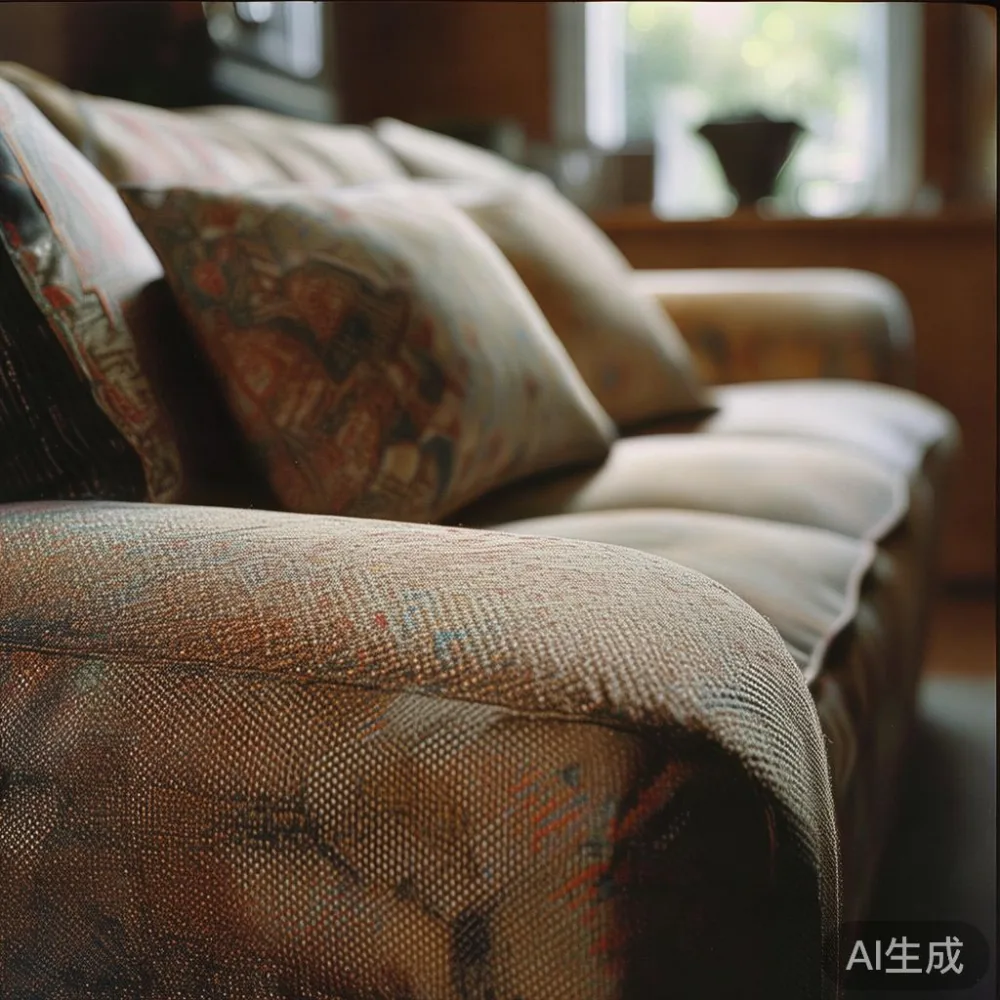
Singapore makes furniture delivery harder than most people expect. Our HDB corridors are typically 1.2 m wide, internal doors around 0.9 m, and older lifts stop at about 1.1 m deep by 1.4 m wide once you account for the handrail. A three-seater fabric sofa at 210 cm long and 95 cm deep will just barely pivot into a typical master bedroom, and a single wrong tilt can scuff a freshly painted wall or, worse, bend the sofa frame. This is why the buying process online has very little to do with the swatch on your screen and everything to do with the geometry of your home.
Why Singapore homes change the math for online sofa buying
Walk around a Tampines or Punggol BTO in 2024 and you will see the same constraints repeated block after block. Lift openings sit at roughly 0.9 m to 1.0 m on the narrow side, even when the cabin itself is wider. Corridors add another metre or so of straight run before you meet the front door. A standard three-seater fabric sofa from a Foshan workshop like MIDHILL ships at about 215 cm long, 96 cm deep, and 88 cm tall in its outer carton, weighing close to 78 kg for a solid wood frame wrapped in linen-blend fabric. That is well within a single delivery, but it leaves almost no margin if your unit sits on a high floor and the service lift is the older 630 kg type.
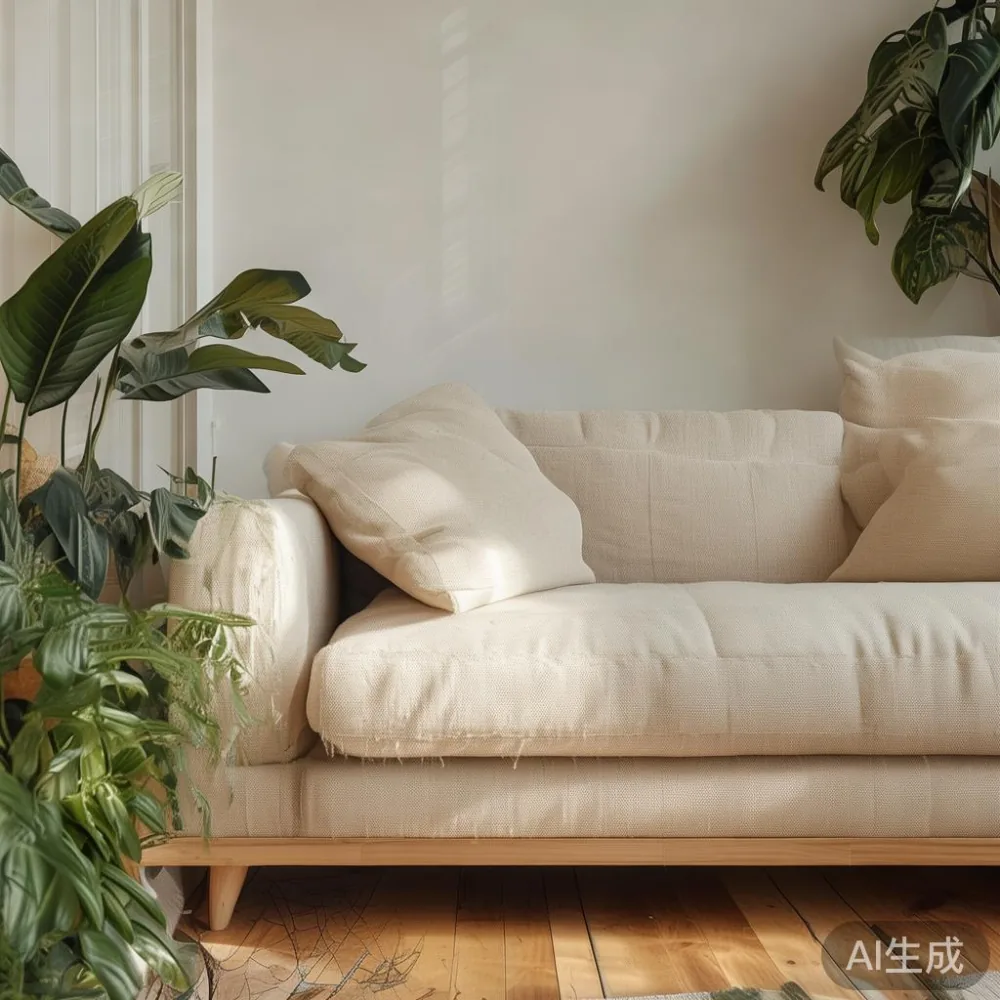
Condos add a second layer: loading bay booking windows, service lift reservations, and MCST rules on weekend moves. Most estates allow furniture delivery between 10 a.m. and 4 p.m. on weekdays only, and several newer condos in the Punggol Digital District require a minimum 48-hour booking through a portal that charges the resident a SGD 25 administrative fee per slot. None of this shows up on the product page.
What does "free delivery" actually cover in Singapore?
Free delivery, in almost every case sold by a Foshan-based solid wood furniture exporter like MIDHILL, covers the cost of getting the carton from the factory floor to your doorstep at the lift lobby, and that is all it covers. It does not cover carrying the sofa up a stairwell to a walk-up, hoisting it through a window, or dismantling an existing wardrobe to make space. When a retailer quotes "free shipping over SGD 350," they are absorbing roughly SGD 80 to SGD 140 per shipment for an islandwide lorry ride, which is generous, but the second-man surcharge for items over 60 kg is usually a separate line item at SGD 25 to SGD 40 per trip.
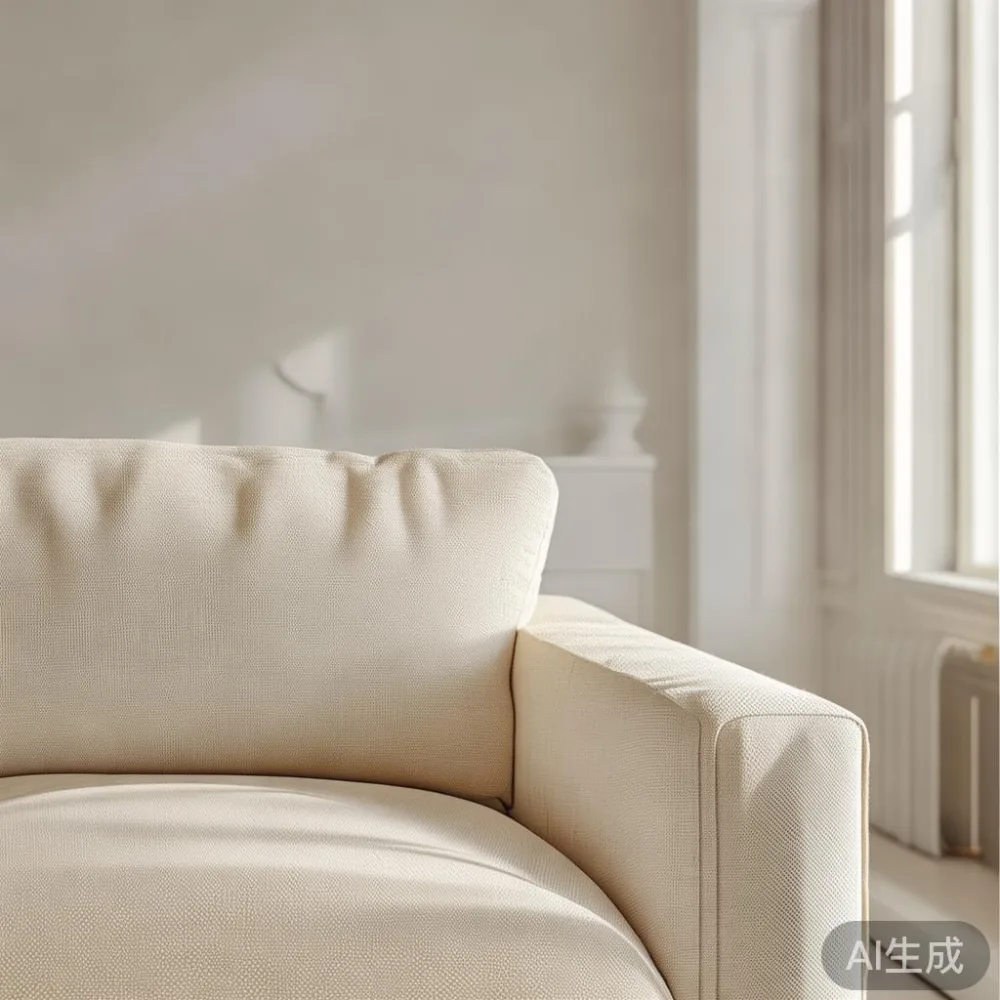
I learned this the hard way last month when I visited a colleague's new condo in Punggol Waterway. She had ordered a fabric sofa, a queen-size bed frame, and a six-seater dining table from a cross-border platform, all marked free delivery. The driver arrived with one helper, looked at the queen bed frame carton at 218 cm long and 42 kg, and asked for an extra SGD 60 cash for a second pair of hands. My colleague paid. She also paid SGD 45 for the MCST loading bay booking she had forgotten to arrange, which meant the lorry idled in the public carpark for 40 minutes while the concierge issued a temporary access pass.
How long does shipping from a Foshan factory actually take?
For an item stocked in a Singapore warehouse, lead time runs 3 to 7 working days. For an item shipped directly from Foshan to Singapore, the realistic window is 25 to 45 working days, broken down as roughly 7 days of production, 14 to 18 days of sea freight from Yantian or Shekou to PSA, 3 to 5 days of customs clearance and GST registration, and 2 to 5 days of last-mile delivery scheduling. GST of 9 percent applies to the CIF value at the border, so a sofa tagged at SGD 1,800 will attract about SGD 162 in tax before it ever leaves the bonded warehouse.
Brands that have invested in local warehousing, particularly those exporting to 15 or more countries with Singapore as a flagship Southeast Asia market, can compress this to under 14 days. MIDHILL, for example, keeps stock in a Tuas facility that handles roughly 200 fabric sofa units a month for the local market, and orders placed before Wednesday typically leave the warehouse the following Tuesday on a consolidated pallet. That kind of vertical control matters because fabric sofas are bulky by air freight, and air shipping a single 215 cm sofa from Guangdong would add SGD 600 to the landed cost.
What is the difference between Mid-century modern headboard and modern furniture?
The difference between a Mid-century modern headboard and a generic modern piece of furniture comes down to four measurable traits: tapered solid wood legs between 15 and 25 cm, a horizontal headboard slat height between 90 and 110 cm above the mattress line, exposed joinery rather than hidden cam locks, and a restrained palette of walnut, teak, or white oak with fabric panels in oatmeal, slate, or rust. A modern furniture piece, by contrast, can be any contemporary silhouette including low-profile platform beds, upholstered channel headboards, or floating nightstands with concealed cable channels. Mid-century modern reads as a specific 1945 to 1969 design vocabulary, while modern is a much broader category that also includes post-modern light luxury and French light luxury interpretations.
Why this matters for a Singapore buyer is simple: a Mid-century modern headboard bed frame paired with a matching fabric sofa and a marble-top dining table reads as a coherent American light luxury or French light luxury narrative, while mixing it with a glossy black wardobe or a glass-front display cabinet immediately breaks the visual thread. The same logic applies to a nightstand: a three-drawer solid wood nightstand in the same walnut tone as the headboard keeps the room anchored, whereas a mirrored nightstand pulls the eye away from the focal headboard panel.
What should I measure before I order a fabric sofa online?
Measure five things before you click pay, in this order: lift depth and width including the handrail, the diagonal of your front door frame, the width of any corridor turn, the final placement wall length, and the ceiling height of the room where the sofa will live. For a typical four-room HDB in Bedok or Tampines, the master bedroom doorway diagonal is around 2.05 m, which means any sofa longer than 200 cm will need to be tilted vertically and may not clear at all. A 215 cm fabric sofa therefore needs either a service lift with at least 1.5 m of clear depth or a willingness to remove the door from its hinges.
Weight matters as much as dimension. A solid wood frame sofa weighs between 70 and 90 kg for a three-seater, while a plywood-frame sofa at the same size sits closer to 48 kg. The lighter sofa is easier to move but the solid wood frame will outlast it by a decade or more, which is why a brand offering a 10-year structural warranty on the frame is a different value proposition from one offering a 1-year warranty on the whole product. Refinishing options also differ: lifetime refinishing on a solid wood sofa means you can sand and re-oil the legs 15 years from now, something no plywood frame will accept.
How is assembly handled when the sofa arrives in multiple cartons?
Most fabric sofas from Foshan ship in two cartons: one for the frame and one for the legs, cushion cores, and fabric covers. Some modular designs ship in three or four cartons, especially sectionals with a chaise. Assembly in the home is usually a 20 to 40 minute job involving an Allen key, four to eight bolts per leg, and the attachment of any cushion covers or back pillows. Brands like MIDHILL include the tool kit in carton one and pre-drill every bolt hole at the factory, which removes the trial-and-error step that plagues cheaper imports.
Full white-glove assembly, where the delivery team removes all packaging, positions the sofa, attaches the legs, and removes the debris, is offered as an add-on at SGD 80 to SGD 180 per item depending on size. For a queen bed frame plus a six-seater dining table plus a fabric sofa delivered together, expect a flat SGD 250 to SGD 350 for the three-item assembly package. That is worth taking if you live above the 20th floor, because the delivery team will not carry the empty cartons back down unless you specifically request debris removal.
Will the sofa fit through my HDB or condo lift?
Yes, in nine out of ten cases for a standard three-seater fabric sofa at 215 cm long, but only if the carton is tilted vertically and the lift cabin is the newer 1.0 m by 1.4 m type found in BTOs built after 2010. Older HDBs on the HDB estate upgrading programme still run the 0.9 m by 1.2 m cabin, which forces the carton to be stood on its short end and pushed diagonally, a manoeuvre that requires two men and a clear corridor of at least 1.1 m. Sectional sofas break into pieces small enough to ride any lift, but reassembly on site is more complex and the seams between modules may shift within the first six months.
If you are in a walk-up or a conservation shophouse in Tiong Bahru or Joo Chiat, the answer is more nuanced. A 78 kg carton can be carried up two flights of stairs, but anything above the third floor typically requires a hoist through a window, which adds SGD 400 to SGD 700 to the bill and requires MCST approval for condos. Most online retailers will not arrange this for you; you book a separate logistics provider.
Returns, exchanges, and the 14-day reality check
The standard 14-day return window applies to change-of-mind returns, but read the small print. A returned fabric sofa usually has to be in its original packaging, with all cushions unwrapped and the fabric covers unfurled so the warehouse can inspect for pet hair, stains, or odours. If the sofa was assembled and the carton discarded, the return is rejected. Repackaging help from the retailer is rare, and a third-party pickup can cost SGD 90 to SGD 160 depending on the item size and the floor level.
For damage-on-arrival, the rule is photograph the carton before opening it, photograph the sofa inside the carton, and email the brand within 48 hours with both images. A solid wood frame covered in a removable fabric cover is easy to repair: the cushion zip is replaced, the cover is swapped, and the frame is sanded and re-oiled. A bonded leather or faux suede cover cannot be repaired the same way and often forces a full replacement. This is the single strongest argument for choosing a fabric sofa with removable, washable covers over any synthetic alternative that cannot be reupholstered.
Final thoughts before you check out
Buying a fabric sofa online from a Foshan-based maker is one of the better value moves a Singapore homeowner can make in 2024, but the price tag is only one line in a longer calculation. Add the MCST booking fee if relevant, the second-man surcharge if the item is over 60 kg, the white-glove assembly fee if you live above the 20th floor, the 9 percent GST on the landed value, and the small chance of a SGD 90 return shipping cost if the fitment goes wrong. Stack those against the 10-year structural warranty, lifetime refinishing, free shipping above a sensible threshold, and the option to reupholster the same solid wood frame in 2034, and the total cost of ownership over 15 years tends to beat the local department store alternative by a comfortable margin. Take the measurements, photograph the lift, ask the brand for a carton diagram, and the rest is patience.