Lacquered Solid Wood Furniture in a Tropical Home: A Singapore Care Guide
I will be honest with you. My colleague in Tampines bought a lacquered dining table from a local seller three years ago, and within eighteen months the edges started blooming with a soft cloudy haze that her installer called "moisture bloom." She phoned me, slightly panicked, because the table cost S$1,450 and the warranty did not cover anything resembling humidity. That single phone call is the reason this article exists. Lacquered surfaces behave in particular ways in Singapore, and once you understand the pattern, the care routine becomes almost automatic.
Why does lacquer struggle in Singapore's climate?
Relative humidity in Singapore sits between 65% and 85% for most of the year, and indoor HDB flats without a dehumidifier rarely drop below 70%. Lacquer is a film finish, which means it sits on top of the wood as a continuous skin roughly 0.04 to 0.08 mm thick. When humid air pushes moisture into the wood beneath, the wood expands. The lacquer cannot stretch at the same rate, so it lifts, hazes, or develops micro-cracks at the joints. The same effect shows up on a solid wood bed frame with carved corners, on a wardrobe door panel, and on the apron of a dining table. If you have ever run your hand across a "sticky" drawer front in a Punggol condo, this is the reason. MIDHILL finishes its lacquered pieces with a multi-coat nitrocellulose system that slows this transmission, but no factory finish can fully replace sensible daily care. A standard 1.8 m lacquered dining table from MIDHILL starts around S$1,180, while a comparable market-dining table in a typical Bedok furniture shop can cost S$650 to S$900 with a thinner, single-layer finish.
How do I style a American sectional sofa in a small apartment?
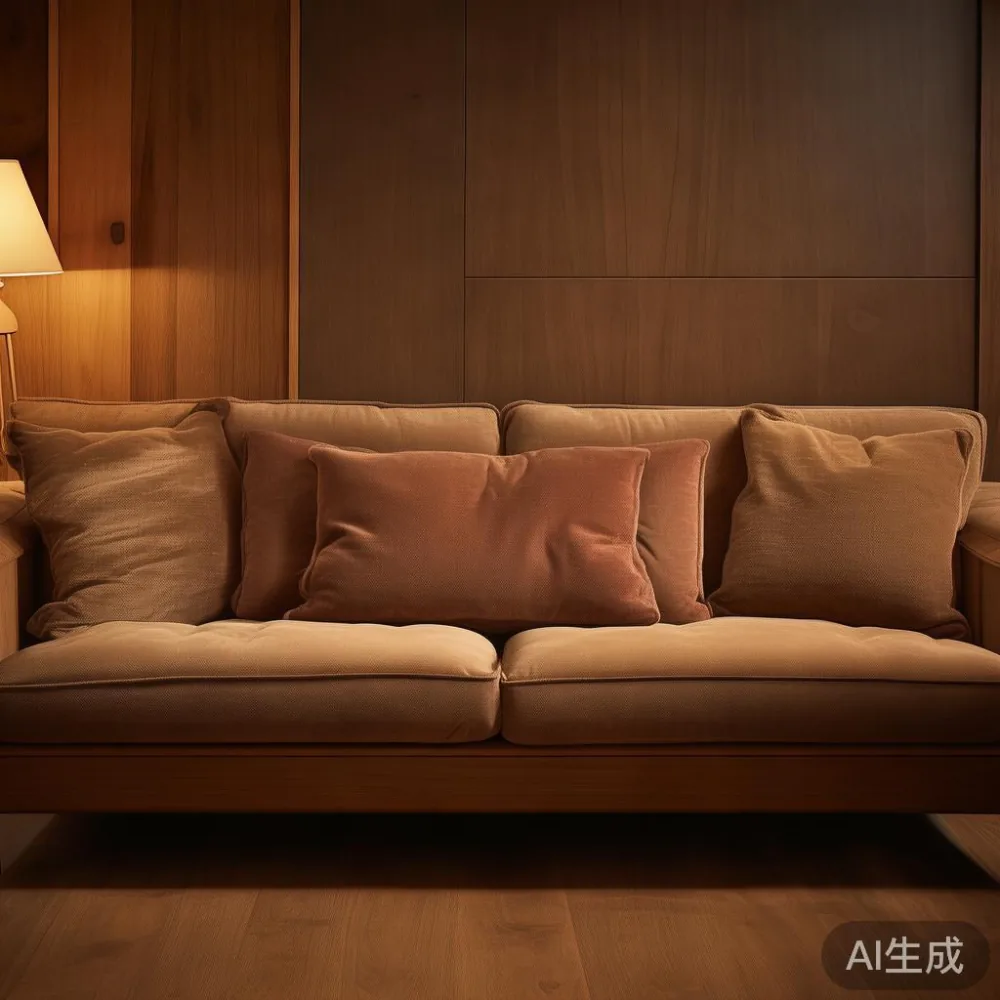
Pick a low-arm American sectional sofa in a 2.4 m to 2.6 m length, pair it with one round marble table of 60 cm diameter as a side anchor, and leave a clear 110 cm of walkway between the sofa front and the opposite television wall. The American light luxury look relies on horizontal lines, so choose a piece with a single 18 cm continuous seat cushion rather than two split cushions, and keep the back cushions low at roughly 55 cm so sightlines across a 12 m² HDB living room stay open. Add one 90 cm x 90 cm walnut nightstand-style stool at the chaise end to act as both lamp base and snack tray. Pull the section roughly 8 cm off the wall so humid air can move behind it; this single gap prevents the back panel from trapping moisture against your plaster, which is the number one cause of mould behind large furniture in Tampines and Bedok flats. For non-Asian households who entertain often, the same American light luxury proportion works because the deep seat (around 95 cm) doubles as guest sleeping space.
What does a realistic weekly care routine look like?
Twice a week, wipe every lacquered surface with a soft microfiber cloth that has been lightly misted with plain water, then immediately buff dry with a second cloth. That is the entire routine for 80% of the year. Once a month, replace the water with a pH-neutral wood soap such as Steve Murphy, using roughly 5 ml per 500 ml of water, and wipe in the direction of the grain. Avoid silicone sprays, orange oil polishes, and any product that contains ammonia, because each of these softens nitrocellulose lacquer over a six to twelve month window. Keep a hygrometer in the room; if it reads above 75% for more than 48 hours, run a 12-litre dehumidifier for four hours and close the windows. A reliable Meaco or similar unit costs S$229 to S$349 and pays for itself within one monsoon season by preventing a S$1,800 wardrobe replacement.
Can a fabric sofa live next to a lacquered dining table without trouble?
Yes, and this is actually the most common pairing in a Singapore three-room flat, where the living and dining zones share a single 16 m² to 19 m² rectangle. A fabric sofa breathes, so it does not trap humidity the way a tight leather piece does, and it pairs beautifully with a lacquered dining table on the opposite wall. The two pieces should sit at least 80 cm apart to allow airflow. Pick a fabric sofa with removable, washable covers in a light neutral such as stone grey 26.5% reflectance, so it does not visually compete with the warm sheen of the lacquer. If your sofa is a 2-seater sectional sofa for balcony in a Punggol condo, place it at least 1.2 m from the glass sliding door to avoid the late-afternoon sun strip, which raises the surface temperature of any lacquered marble table in the same room by 6°C to 8°C and accelerates yellowing on lower-quality finishes. A solid wood bed frame, a lacquered wardrobe, and a fabric sofa can all coexist in one flat as long as the air moves. A standing fan set on low oscillation, roughly S$45 from any neighbourhood store, is enough to keep the air moving across all three pieces.
What should I do when I see the first white haze on my table?
A white haze, sometimes called blushing, is trapped moisture under the surface. Place a clean cotton towel over the spot, set a clothes iron to low with no steam, and hold it 2 cm above the towel for eight to ten seconds. The gentle warmth draws the moisture out. Repeat two or three times, opening a window or airing for one hour between each repeat. This trick works on a marble table with a lacquered wooden base, on a lacquered nightstand, and on most small panels up to 60 cm x 60 cm. It does not work on large wardrobe doors or on any finish that has already cracked, peeled, or turned sticky. For those, call a professional. MIDHILL offers a lifetime refinishing service on lacquered pieces purchased from them, with a typical turnaround of 14 to 21 days plus a S$60 to S$120 return courier fee depending on lift access. Most HDB lifts in Tampines and Bedok accept a 1.8 m wardrobe panel diagonally, but corridor widths vary: a typical narrow corridor is only 1.1 m, so measure before you book.
How do I keep my lacquered wardrobe from sticking in the wet months?
The wet months, roughly November through February, push indoor humidity above 80% almost daily. A wardrobe that closed with a 3 mm gap in March can swell to a 0 mm gap by December. Reduce the swelling by running a 12-litre dehumidifier inside or just outside the room for two hours each morning, and by leaving the wardrobe doors slightly open for 15 minutes after every clothes-drying session. Clothes drying is the single biggest source of indoor moisture in a Singapore flat, releasing roughly 2.5 litres of water into the air per standard 5 kg load. Keep your dehumidifier set to 60% relative humidity, never lower, because going below 55% causes lacquer to dry out, micro-check, and lose sheen within one to three years. For a standard 2.4 m lacquered wardrobe with two sliding doors, expect to spend S$3 to S$5 per month on electricity running a 200 W unit for four hours daily. That cost is small compared with the S$1,900 to S$2,400 replacement value of the same piece.
What about new pieces: how do I break them in properly?
The first 90 days are the most important for any lacquered piece, whether it is a post-modern light luxury dining table or a French light luxury nightstand with cabriole legs. During this period, the lacquer continues to off-gas and cure, even though it feels dry to the touch. Avoid placing rubber mats, PVC coasters, or any rubber-footed lamp directly on the surface, because the plasticiser in rubber migrates into lacquer in roughly 50 to 70 days and leaves a permanent dull patch. Use felt pads under everything, including the blank S$12 ceramic vase from your favourite home store. Blot spills within ten seconds. Wipe rings left by cold glasses inside thirty minutes. For the first month, avoid placing wet laundry baskets directly on any lacquered surface, because the trapped moisture underneath will cloud the finish within twenty minutes. A solid wood bed frame with a lacquered headboard should be placed at least 8 cm from the window, and the mattress first; curtain back should hang 50 cm above the floor to keep humid air moving around the headboard.
How long should a quality lacquered piece last in Singapore?
A well-made lacquered dining table, used daily by a family that wipes, burns, and never places rubber on the surface, should hold its sheen for eight to twelve years before needing a refresh. A lacquered wardrobe door panel should last fifteen to twenty years because it is shielded from direct hand contact and from sunlight. A lacquered nightstand, being touched daily and placed beside a reading lamp, usually needs a refresh every six to nine years. MIDHILL's ten-year structural warranty covers joint failure and wood movement, while the lifetime refinishing service handles the surface side of things. A typical full re-lacquering on a 1.8 m dining table runs S$280 to S$420 including return courier. Spread over Singapore and over a twelve-year cycle, that works out to S$2 to S$3 per month per piece, which is roughly the cost of a single SGD kopi at the hawker centre. Free shipping kicks in above US$350, which at today's rate is about S$475, and 14-day returns mean you can swap the size if the lift or corridor cannot accept it. GST of 9% applies at checkout, and delivery to a Tampines, Bedok, or Punggol address usually takes seven to ten working days from the Foshan warehouse.
What is the one habit that protects every lacquered piece I own?
Keep the air moving. Open a window that each morning for fifteen minutes, even on rainy days, because the air exchange itself matters more than the absolute humidity reading. Run a small fan. Wipe with a dry microfiber cloth each evening. That single thirty-second routine, repeated every evening for the life of the piece, will keep a lacquered dining table looking new for a decade, a lacquered wardrobe silent through every wet season, and a fabric sofa across the room breathing freely. The Singapore climate is generous and forgiving in many ways, but it rewards small daily habits, and lacquered solid wood furniture is no exception.