Lacquered Furniture Care for Singapore Homes
Singapore’s humidity, heat and heavy rainfall make lacquer care more demanding than it is in cooler countries. A lacquered solid wood sofa may look glossy in an air-conditioned showroom, yet the same finish can show fingerprints, colour shifts and fine marks after several months beside a HDB window. The useful question is not whether a high-gloss finish is difficult, but how its maintenance routine should change in places such as Tampines, Bedok and Punggol.
MIDHILL makes lacquered furniture for homes and hospitality projects, including solid wood sofas, bed frames, dining tables, wardrobes, nightstands and marble tables. This guide focuses on lacquer care, with enough room for related surfaces where a protected furniture collection shares the same tropical conditions.
Why does lacquer react to Singapore humidity?
Lacquer is a film applied over wood and cured to create a hard decorative surface. It is less porous than unfinished timber, but it is not automatically immune to heat, moisture, sunlight or abrasion. A relative humidity level of roughly 60% to 75% is common in Singapore. During monsoon periods, windows can admit damp air quickly, while afternoon sun can raise the temperature of a west-facing balcony or living room by more than 10°C in an hour.
Wood also moves as its moisture content changes. A solid wood sofa base with a lacquered rail may expand slightly across its width, while a lacquered dining table top can develop small checks if repeated wetting and drying are allowed to continue. Lacquer can remain attractive, but the finish should be protected from standing water, rapid temperature changes and harsh cleaning.
The distinction between lacquer and veneer matters. Veneer describes the thin wood layer used on panels, not the finish. Lacquer describes the surface coating. A lacquered bed frame may use solid timber for visible legs and rails, plywood or veneer beneath lacquered panels. Knowing the construction helps you avoid applying too much water around joints and edges.
What should I do in the first 30 days after delivery?
Begin with a controlled cleaning routine. Dust the lacquer with a dry microfibre cloth or a very lightly damp cloth, then dry immediately with a clean second cloth. Avoid spraying cleaner directly onto the surface. If a label lists diluted lacquer cleaner, apply it to the cloth rather than the furniture and test an inconspicuous 10 cm by 10 cm area first.
For the first 30 days, keep new furniture at least 30 cm away from open windows and air-conditioning vents where practical. Do not place a newly lacquered piece against a wall that may collect condensation. Check its condition on days 1, 7, 14 and 30, taking note of any change in sheen. This habit also helps distinguish a curing or settling effect from damage caused by a household product.
Inspect a lacquered dining table under daylight and under a warm lamp. Lacquer can appear slightly warmer under 2700K bulbs and cooler beneath 4000K bulbs. A gloss difference is not necessarily a defect. Photograph the same corner on a phone, with the same lighting and at the same 60 cm distance, so later comparisons are more useful.
Check delivery protection as well. In a compact HDB flat, the lift lobby and corridor may impose tighter limits than the sofa dimensions suggest. Measure the lift door, the turning space inside the lift and the narrowest corridor before the furniture arrives. For a condo, include the carpark lift route, service corridor turns and the distance from the loading bay to the front door. MIDHILL can confirm product dimensions and packing details so the delivery team can plan a 2-person carry when required.
How often should a lacquered surface be cleaned?
Use a light weekly routine and a more detailed monthly inspection. Wipe visible dust every 7 days, especially beneath a dining table, around a nightstand drawer and along the lower rails of a fabric sofa. Inspect lacquered panels monthly for scratches, dull patches and trapped moisture. Clean heavily touched areas such as a bed frame headboard or wardrobe door every 14 days, provided the manufacturer’s care instructions permit it.
For ordinary dust, a dry microfibre cloth is usually enough. For fingerprints, slightly dampen the cloth with clean water and wring it until no droplets emerge. A common adult palm can deposit roughly 0.1 g of oil, and such residue spreads quickly across a glossy surface. A second dry cloth removes the moisture and helps prevent haze.
Never use a scouring pad, steel wool, abrasive sponge or household bleach. Avoid alkaline cleaners, ammonia-heavy glass cleaner, concentrated vinegar and alcohol unless the lacquer supplier expressly confirms compatibility. These products can strip the surface or leave a patchy bloom. A pH-neutral product is the safer default.
Place coasters and felt pads under a lacquered dining table. A cup of iced water can leave a visible ring after several hours, while a hot mug can soften or blister some films. Use a trivet rated for at least 80°C and a coaster at least 1 cm wider than the vessel’s base. Wipe spills within 5 minutes whenever possible.
How do I remove fingerprints and small marks without damaging lacquer?
Start with the mildest method. Hold a clean microfibre cloth over the mark for 10 seconds, then wipe in the direction of the wood grain with light pressure. Persistent fingerprints may need a second pass with a barely damp cloth. Avoid circular scrubbing, which can polish one area more than the surrounding lacquer and create a dull halo.
For a small mark, test a soft, white eraser on the underside or hidden edge first. Use gentle strokes and stop after 5 passes. Some lacquer can dull under aggressive rubbing, so the eraser is a limited option rather than an automatic answer to every stain. Cosmetic pencil marks on black lacquer can sometimes be lifted with a clean soft eraser, but deep scratches or gouges need assessment.
If the mark remains, do not experiment with knives, razor blades or abrasive compound. Photograph it under daylight and send the image to the furniture maker for advice. A solid wood sofa with a lacquered arm may require a matched touch-up that is best performed at a workshop. MIDHILL’s lifetime refinishing service is relevant here, but the customer should still follow the care and warranty process rather than expect every deep defect to disappear without inspection.
For upholstery nearby, keep cleaner mist away from the lacquer. A fabric sofa should be vacuumed with a brush attachment every 7 to 14 days. If a spot appears on the textile, blot from the outside inward and allow at least 24 hours for full drying. Do not allow damp upholstery to touch a lacquered panel.
Is lacquer the right finish for a Singapore home?
Lacquer can suit a warm, refined interior because it gives timber a smooth, reflective appearance and makes fingerprints visible to the eye. It also requires restraint. Households with children, pets or frequent outdoor dining will usually encounter marks sooner. A carefully maintained finish may suit a formal living room; a matte, oiled surface may be more forgiving in a busy family zone.
Light-luxury design does not depend on one finish alone. French light luxury often pairs pale upholstery with restrained detailing, while American light luxury can use larger profiles and warmer timber tones. Post-modern light luxury may combine lacquered forms with simple lines. These styles can work in a Singapore condo, provided the material is allowed to age gracefully and the owner accepts a visible maintenance cycle.
Buyers often compare materials through search phrases such as “is European sofa worth it” or “under 2000 Boho furniture”. Price alone cannot reveal finish quality. Ask for lacquer composition, expected sheen, cleaning guidance, repair scope and a sample of the actual wood species. A bed frame, dining table or wardrobe should be evaluated as a long-term surface, not only as a shape on a catalogue page.
The same principle applies to beds. Someone comparing a “light luxury bed vs Nordic bed” should examine the lacquer details, joints and care rules alongside the sleeping design. The phrase “MIDHILL European light luxury bed” identifies one style route, while “MIDHILL bed” is broad enough to include other collections. Request exact dimensions and finish samples before choosing.
For compact urban rooms, design and access are equally practical. A solid wood sofa with a 210 cm width may fit a straight HDB living room, while a 230 cm model may need a turning strategy at the corridor. A lacquered bed frame may suit a bedroom, but check the mattress and frame sizes before delivery. Singapore’s 9% GST should be included in the quoted price, and the total should be compared with a realistic installation budget rather than a promotional figure alone.
How should I protect lacquer from sunlight, air-conditioning and insects?
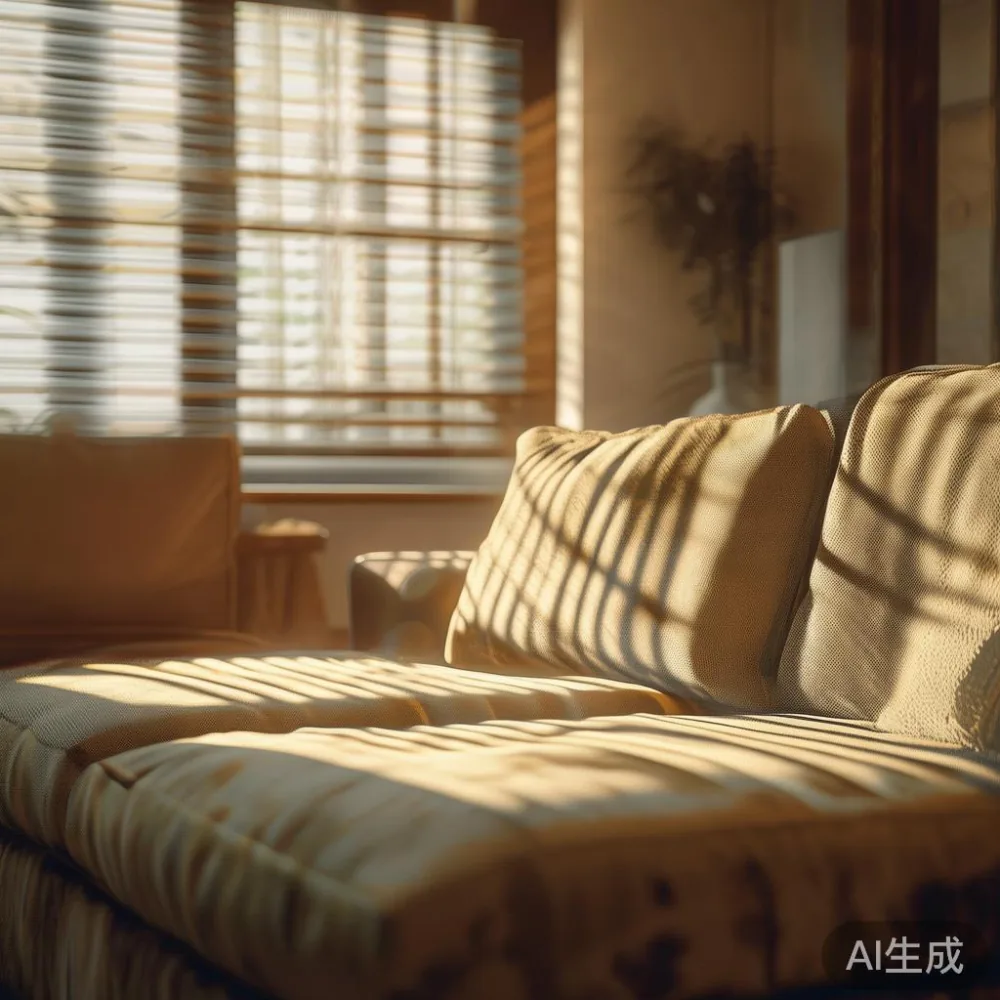
Install UV-filtering curtains or a film with at least 99% UV blockage for a west-facing window. Keep the furniture at least 60 cm from direct afternoon sun where space allows. UV exposure can fade both the lacquer colour and the timber beneath it, particularly on cherry, walnut and other darker finishes. Check curtains every 6 months because airborne dust and humidity can reduce their performance.
Do not position lacquer directly beneath a ceiling air-conditioning diffuser. Air movement helps dust settle evenly, but a strong stream carrying particles can drive grit against the finish. A gentle setting of 24°C to 26°C is comfortable for most Singapore interiors. Maintain indoor humidity near 50% to 65% with a dehumidifier if readings repeatedly exceed 70%.
Inspect once a year for insects, especially around joints, undersides and storage areas. The presence of a tiny insect does not necessarily mean it is harming the timber, but frass, fine boring dust or lines in the wood deserve investigation. Clean with a dry brush, isolate the item if activity is found and obtain a professional assessment. Avoid mixing insecticides directly with lacquer because their solvents may be incompatible.
For a hospitality project, note that Mid-century modern for hotel is not merely a visual label. A hotel must plan replacement cycles, housekeeping products and repair access. A lacquered nightstand in a guest room may need more frequent cleaning than the same form in a private bedroom. Specify a 10-year structural warranty separately from surface wear, and clarify whether lacquer renewal, refinishing and fabric replacement are covered on different schedules.
What does a realistic tropical maintenance schedule look like?
A daily habit can be limited to wiping away an obvious spill. Every 7 days, remove dust from lacquered ledges, table edges and the exposed wood of a fabric sofa. Every 14 days, inspect fingerprints and clean frequently touched surfaces. Once each month, move small items such as coasters and trays, inspect beneath them and check for colour change. Every 3 months, clean the soft brush of a vacuum attachment and inspect corners under daylight.
Every 6 months, examine window exposure and humidity. Every 12 months, review scratches, joint movement and the condition of protective feet. A 10-year structural warranty covers structural concerns under its terms, but lacquer is a consumable surface whose care depends on use. Documentation is useful: record purchase date, dimensions, finish type, incidents and repairs.
Use a moisture meter when investigating a mark, aiming for readings around 8% to 12% depending on the wood species and factory specification. Do not chase a single number without knowing the timber. Treat the meter as one diagnostic tool, alongside sight, touch and a clear history.
Delivery, returns and warranty deserve the same precision. MIDHILL provides free shipping above US$350, although the final Singapore cost should still be quoted in SGD, including GST. The company’s 14-day returns policy gives buyers time to check scale, colour and condition, subject to the stated terms. Since production and delivery can involve longer lead times, ask for a written dispatch estimate in days rather than relying on a vague week.
Can lacquered furniture be repaired or refinished?
Minor surface issues and structural failures are different categories. A dent in a table edge may need sanding and a local lacquer match. A crack at a bed frame joint may involve the structure and require workshop attention. A scratch on a marble table should be assessed separately because marble polishing and lacquer repair are not the same process. Likewise, a fabric sofa can have its cover replaced without treating the timber frame as if it were a surface-finish claim.
Before repair, gather the order details, photographs and a short account of how the mark occurred. Use clean, colour-neutral storage under a breathable cover for 24 to 48 hours while the maker assesses the finish. Do not apply oil, wax, silicone polish or furniture balm over the lacquer. These remedies may create a temporary sheen but can interfere with future refinishing.
Long-term ownership becomes simpler when the furniture is matched to the room and the routine. A lacquered solid wood sofa in a dry, shaded living area may need less intervention than a dining table beside a humid balcony. A wardrobe in a compact bedroom should have its doors opened periodically so trapped humidity can escape. A nightstand near a bathroom vanity needs a small barrier against splash, while a bed frame should have adequate clearance for cleaning beneath its rails.
MIDHILL has operated since 2008 and exports to more than 15 countries, giving its service team exposure to different climates and shipping conditions. That experience matters, but local habits still determine results. In Singapore, thoughtful placement, measured humidity control and immediate spill response will protect lacquer more effectively than aggressive cleaning. The aim is not a permanently untouched surface. It is a finish that continues to look composed through years of ordinary use.