How Singapore's Humidity Shapes the Life of Your Solid Wood Furniture (and Why Your Fabric Sofa Cares Too)
Relative humidity in Singapore sits between 70% and 90% for most of the calendar year. The 2024 meteorological summary recorded an annual mean of 81.2%, with nightly readings in Tampines and Bedok HDB flats routinely climbing above 85% between April and September. If you own a solid wood sofa, a white oak bed frame, a walnut dining table, a teak wardrobe, or a marble side table paired with fabric seating, that air is quietly working on every joint, panel, and fibre. After two decades of selling solid wood furniture into 15+ countries, we at MIDHILL have learned which complaints come from climate and which come from manufacturing shortcuts — and Singapore is one of the best classrooms on Earth for telling the two apart.
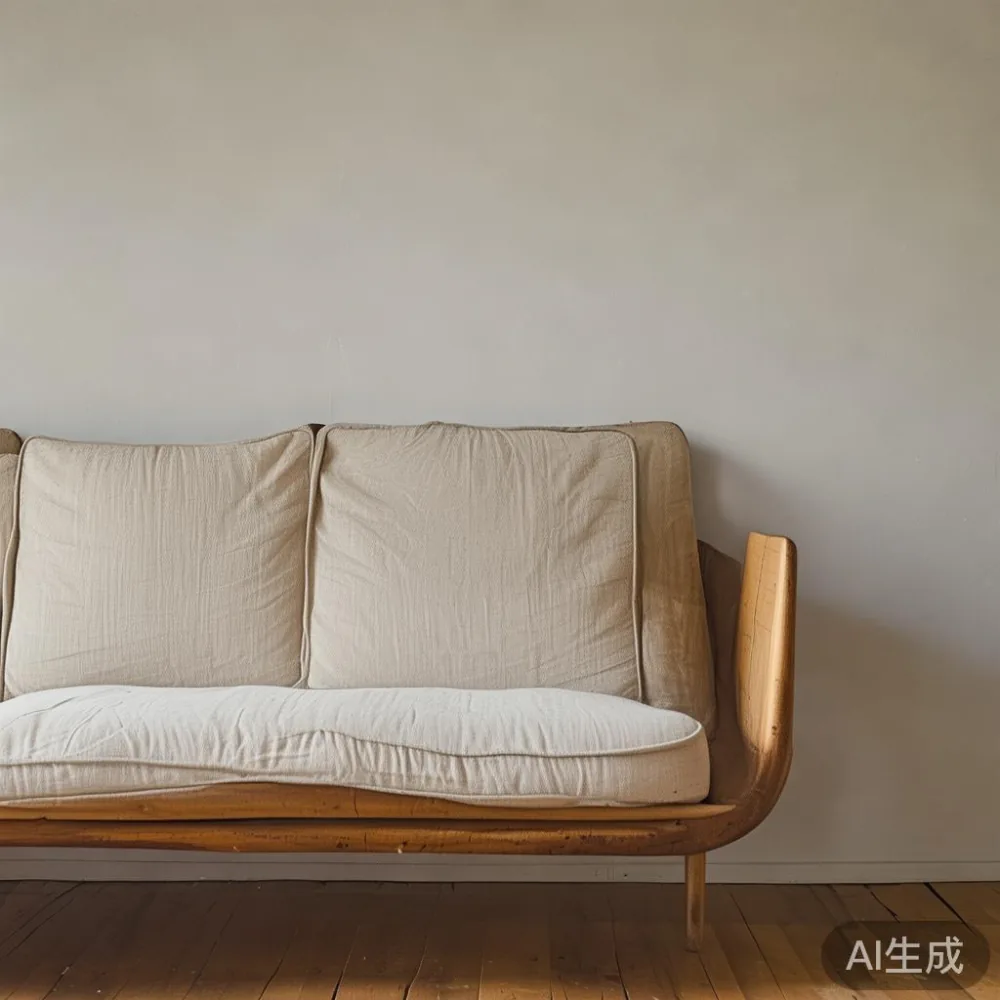
Why does Singapore feel different from a Beijing or Sydney living room?
The short answer: Singapore holds heat and moisture at the same time, all year, with no true dry season. Indoor RH rarely drops below 65% even with air-conditioning running 24/7, because an AC unit set to 24 °C usually produces a 60–70% indoor RH rather than the 40–50% you'd see in a heated Beijing apartment in February. Walls absorb moisture during the wetter months (November to January, plus the June–September southwest monsoon) and slowly release it when your corridor-facing window is shut. The result is a slow, swelling-shrinking cycle that is gentle on fabric but relentless on wood.
Last month I visited a 980 sq ft Punggol condo on the 14th floor. The owner had a 2.4 m solid wood dining table — white teak top, black steel legs — delivered in early 2023. By the time I walked in, the central leaf had bowed 4 mm upward, and two chairs on the window side had wobbly front legs. The windows were 1.8 m sliding panels, open roughly nine hours a day. That kind of microclimate — bright, breezy, and humid — is exactly where unfinished or thinly sealed wood begins to misbehave.
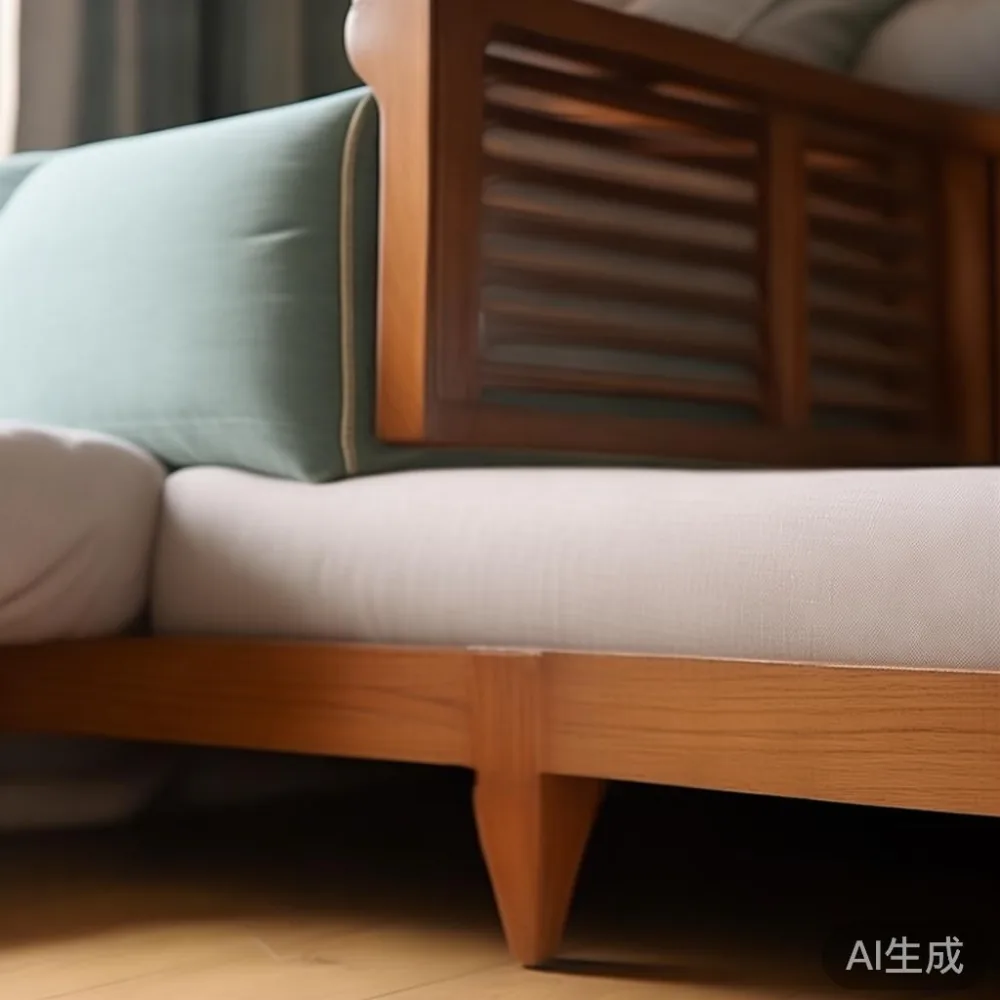
What humidity actually does to solid wood furniture
Wood is hygroscopic. It absorbs and releases water vapour until it reaches equilibrium moisture content (EMC) with the surrounding air. In Singapore, the EMC for most hardwoods sits between 14% and 18%. In a dry climate it would be 6–9%. That 9-percentage-point gap is the entire reason furniture behaves differently here.
When wood picks up moisture, it swells — mostly across the grain, not along it. A 200 cm wide white teak tabletop can move 3–6 mm across its width between January and July. The movement itself isn't the enemy; uncontrolled movement is. Three things tend to go wrong first:

1. Solid panel tops cup or bow. A single slab wants to follow humidity, but if only one face is exposed to dry air-conditioning and the other sits against a humid cushion or wall, the faces move at different rates and the panel distorts. This is what we saw on the Punggol dining table.
2. Joinery loosens. Mortise-and-tenon joints and dowels rely on compression. Repeated swelling and shrinking can open gaps of 1–2 mm at corners of a wardrobe or nightstand. Cheap blocks with biscuits or staples fail much faster — often within 12 months.
3. Finishes haze or crack. Polyurethane and conversion varnishes handle humidity reasonably well. The thinnest nitrocellulose lacquers — common on entry-level imports — can micro-crack within 18 months when the substrate moves underneath them.
A quick self-check that costs nothing: run a 30 cm metal ruler across the centre of any tabletop once a quarter. If you can slip a Singapore 10-cent coin (about 1.7 mm thick) under it, the panel has moved enough to warrant a conversation with your supplier.
Does a fabric sofa have the same problem as a wood dining table?
A fabric sofa reacts to humidity differently, but it absolutely reacts. The frame — usually plywood or solid hardwood — is the part that swells and shrinks, not the textile. The textile part matters for a different reason: under sustained 80%+ RH, natural fibres (cotton, linen, wool blends) can hold 12–15% of their dry weight in water. That's why a sofa in a Bedok HDB corner unit can feel slightly clammy in July and develop a faint musty note near the base cushions if the gap between the seat and the floor is less than 40 mm.
Three practical points for fabric sofa owners in Singapore:
Leg height matters. A 12 cm leg lifts the frame above the coolest, most humid layer of air (the bottom 5 cm of a room is typically 3–4% higher RH than head height). Mid-height legs around 10–15 cm are the sweet spot for HDB tiles without making the sofa look bulky.
Removable, washable covers are not a luxury here — they're infrastructure. Plan to clean covers every 4–6 months. Velcro-attached cushions dry faster than zipped ones in our climate.
The frame still has to be solid wood or 11-ply hardwood plywood. Particleboard frames — sometimes called chipboard or MDF — will swell visibly at the bottom edges within 24 months in a non-air-conditioned utility room. Avoid them anywhere within 1.5 m of an open window.
When MIDHILL builds a fabric sofa for the Singapore market, we use kiln-dried white teak or ash for the load-bearing rails and 11-ply birch for the rest, then route every cable and staple hole through a sealed channel. The frame is what survives the humidity; the fabric is what makes it feel like home.
How do I choose a minimalist furniture for a entryway?
Pick a piece under 35 cm deep with solid wood legs raised at least 10 cm off the floor, a sealed or lacquered top in white teak or ash, and no flat panels wider than 120 cm — because any wider and the panel will move more than 2 mm in a Singapore monsoon, which is enough to throw a hand-laid ceramic tray out of true.
An entryway is the harshest room in a tropical home: the door opens 40–80 times a day, hot corridor air meets cool air-conditioned hall air, and shoes bring in rainwater even on a clear afternoon. A 30 cm deep console in white teak with a 12 cm leg clearance gives you a place to drop keys without trapping moisture underneath. Avoid floating shelves wider than 80 cm in entryways; the wall behind them stays damp long after the rest of the room dries out, and a 100 cm floating shelf can sag 5–7 mm at the centre over two monsoon seasons.
If you want a mirror above the console, anchor it into the wall stud, not the gypsum board — corridor humidity softens gypsum within 18 months, and a 4 kg mirror falling onto a marble or solid wood surface is a repair bill you don't want. For lift access in older HDB blocks like those in Tampines West, remember the standard lift door opening is 80 cm wide and the cabin is roughly 1.1 m deep, so anything longer than 1.05 m needs to come in two pieces or be assembled on site. MIDHILL offers free shipping above US$350 (about SGD 478 at today's rate) and on-site assembly for larger entryway pieces, which usually takes 35–50 minutes for a console plus mirror.
Can a marble table survive the same conditions as a solid wood one?
Yes, and often better — but with a different failure mode. Marble doesn't swell or shrink with moisture, so the favourite stays clean. What it does absorb is mild acids (lemon juice, vinegar, tomato sauce) and salts carried in by shoes and wet umbrellas. A honed Carrara top in a Punggol entryway will etch within weeks of regular contact with muddy footwear, while the same slab in an air-conditioned dining room can go years unmarked.
Two rules we apply when pairing a marble table with a fabric sofa in a Singapore apartment:
1. Keep the marble top at least 60 cm away from any open balcony door to reduce salt-air exposure.
2. Seal the marble twice a year with a penetrating sealer — budget SGD 35–55 for a 500 ml bottle that covers a 120 cm round table three to four times.
The same rules apply to a marble-topped nightstand. Solid wood bedside tables with marble inserts are a popular light-luxury look in post-modern light luxury interiors across Singapore, but the marble needs a sealed underside or it will wick moisture up through the wood and stain the drawer liners within a year.
Practical maintenance: a 12-month humidity plan for HDB and condo owners
January–February (wettest): Run a small dehumidifier in the wardrobe for 4–6 hours a day, target 55% RH. A standard 12 L/day unit costs SGD 0.18/hour to run. Pull fabric sofa cushions off the base and air them for 2 hours weekly.
March–May (transitional, driest): This is when wood shrinks. Tighten any loose bed frame bolts, check wardrobe door alignment (a 2 mm shift is normal, more means a realignment call). Oil any exposed solid wood with a thin coat of tung oil — about SGD 28 for 500 ml — once a season.
June–September (southwest monsoon): Keep furniture 30 cm away from exterior walls if possible. Wipe condensation off marble nightly. Avoid placing a fabric sofa directly under a ceiling-mounted AC vent; the constant cold drip will leave a visible ring within six months.
October–December (inter-monsoon): Best month for refinishing. Book a refinishing slot — MIDHILL's lifetime refinishing service takes 14 working days from collection to redelivery and costs only the return freight, typically SGD 45–80 within mainland Singapore.
What about warranty, delivery, and returns in Singapore?
Most of our Singapore clients receive their solid wood sofa, bed frame, dining table, or wardrobe within 18–28 working days from order confirmation, with lift-access deliveries booked through the MCST where required. Corridors in newer Punggol and Bedok BTOs are 1.2 m wide, easily wide enough for a 2.4 m dining table carried on edge; older Tampines blocks have 1.05 m corridors, which is why we built our bed frames to assemble in under 40 minutes from flat-pack with only an Allen wrench.
The 10-year structural warranty covers frame cracking, joint separation, and excessive warping (more than 6 mm across a 200 cm panel). Humidity-related movement under that threshold is considered normal and is not a warranty event — this is standard across the industry and is one of the reasons we encourage customers to call us before assuming something is wrong. The 14-day return window covers manufacturing defects only; cosmetic variations caused by Singapore's climate, including minor checking on white teak, fall under maintenance rather than return.
GST is included in every price we quote, and a receipt suitable for HDB or IRAS claims is issued automatically. If you're weighing a purchase against ongoing humidity risk, think of it this way: a well-built solid wood piece will outlast three fabric sofa replacements, and the wood will simply grow into a deeper amber tone that the French light luxury look in your living room is designed around. The key is choosing kiln-dried wood, sealed joinery, and a supplier who will pick up the phone six months from now.
Common mistakes we still see in 2025
Buying a wardrobe with MDF back panels — they bow like cardboard within a year in any Tampines or Bedok flat. Choosing a bed frame with a fabric headboard pressed against a humid exterior wall — the headboard will develop mildew within 18 months. Placing a solid wood dining table on a sealed PVC floor without felt pads — condensation under the legs will ghost-mark the floor and the wood within a single wet season. Using a generic silicone spray on marble or solid wood — it leaves a haze that traps humidity instead of releasing it.
If a supplier can't tell you the kiln-drying schedule of their wood, the country of origin for their fabric sofa frames, or the exact thickness of their marble top in millimetres, they're not the right supplier for Singapore. The city doesn't forgive vague answers, and neither should you.