Humidity and Solid Wood Furniture in Singapore: A Practical Guide for Southeast Asian Homes
Singapore’s tropical climate can make solid wood furniture more than a style choice. It becomes a material that requires thoughtful selection, careful placement, and a realistic maintenance routine. Humidity levels can rise quickly during the monsoon periods, while air-conditioned HDB flats and condos create their own sharp changes in moisture as doors open and closed throughout the day.
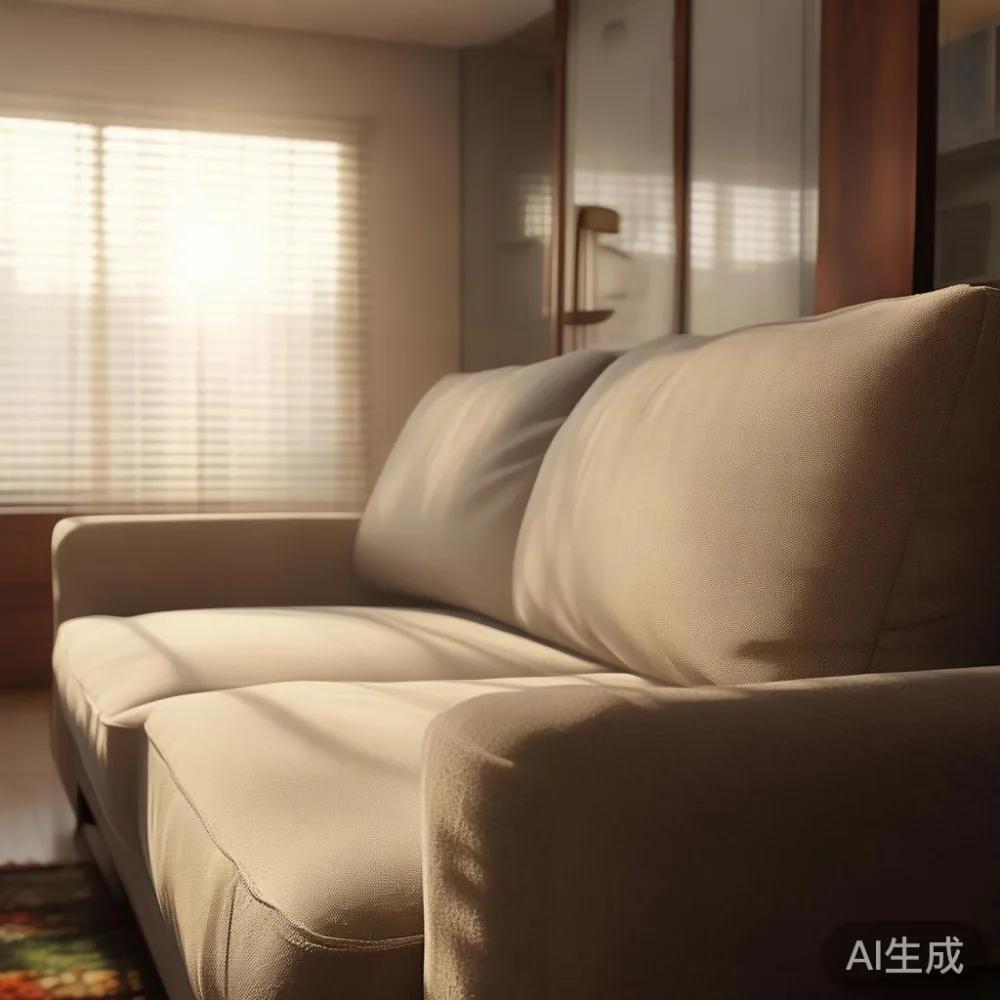
For households in Tampines, Bedok, Punggol, and other Singapore districts, the practical issue is simple: wood naturally exchanges moisture with the surrounding air. If that movement is too fast or too uneven, a dining table may expand, a wardrobe door may catch, and a bed frame may develop small checks along its grain. A fabric sofa also responds to humidity through its upholstery, cushion fill, and timber frame, making the relationship between room climate and furniture care especially relevant.
MIDHILL designs and manufactures solid wood furniture for international markets, including Southeast Asia. The guidance below explains how humidity affects common pieces, how to interpret product specifications, and how to protect a home investment without turning furniture care into a full-time occupation.
What Singapore’s Humidity Does to Solid Wood
Relative humidity is measured as a percentage. Singapore’s outdoor readings commonly range from roughly 70% to 90%, with short episodes above 90% during heavy rain. Indoors, the figure may sit between 50% and 70% in a well-ventilated room, while a tightly sealed bedroom can become much drier overnight under air-conditioning.
Wood is hygroscopic, which means it absorbs and releases water vapour. A dining table in a humid dining area can gain moisture and swell across its width. The same table placed against a frequently opened air-conditioning vent may lose moisture and contract. The key concern is not one stable, moderately humid room. It is repeated movement between damp and dry conditions.
Seasoning helps raw timber become more stable, but it cannot permanently prevent movement. Wood also changes at different rates along the grain and across it. That is why a solid wood sofa frame, bed frame, wardrobe, or nightstand may show minor surface changes even when it has been made with sound construction.
For context, a timber board may move by several millimetres across a 120 cm width as its moisture content changes. A 180 cm wardrobe door with a slight bow can become difficult to align. A 200 cm dining table with an overly dry underside may begin to check near its edge. These are physical realities, not automatic signs of poor workmanship.
How to Choose Furniture for Humid Singapore Homes
Begin with the room, not just the photograph. Check the daily temperature and humidity pattern if possible. Note whether the unit faces the sun, whether the balcony doors remain open, and whether an air-conditioner vents directly towards a wall or piece of furniture. In a typical Singapore HDB flat, a bed frame placed beside a window with weak curtains may face more moisture than one positioned against an internal wall.
Allow clearance around wall-hugging pieces. A 60 cm wide wardrobe needs space for installation, door swing, ventilation, and future inspection. The same 10 cm to 15 cm gap behind or beside the case can allow air to circulate and make cleaning easier. For a nightstand, keeping it 5 cm to 10 cm away from a cold wall can reduce visible condensation and moisture accumulation.
Ask the seller for specific material and finish details. “Solid wood” is useful, but the species, panel construction, finish type, and warranty terms provide a clearer picture. Confirm whether table tops and bed components are solid timber or engineered wood, and how large panels are joined. Prefer designs that leave expansion gaps, use well-fitted joinery, and avoid oversized solid panels trapped inside poorly ventilated cabinets.
For customers comparing visual styles, searches such as under 2000 Rustic furniture can lead to broad design ideas, but material specifications should be checked separately. Likewise, a light luxury coffee table may be defined by a marble table top, yet the base still needs stability in humid conditions. Marble itself is not affected by humidity in the same way as wood, although adhesives, metal fittings, and cabinet structures still require sensible placement.
Which Furniture Pieces Need the Most Attention?
A bed frame sits close to the floor, where dampness can linger. Look for a raised design, sealed edges, and finishes applied to all exposed surfaces. Mattress support slats should have suitable spacing, normally around 5 cm to 10 cm apart depending on the slat dimensions and mattress type. Avoid placing bedding directly against a cold exterior wall.
Designers often ask about how to style Japanese bed in room arrangements, particularly in compact HDB bedrooms. A low-profile timber platform can suit the style, but it should not be pushed into an unventilated corner. A frame measuring 180 cm by 200 cm needs roughly 60 cm of clear width at the foot in a narrow room, and 75 cm is more comfortable where circulation matters.
For those evaluating a best Scandinavian bed for 2026 by appearance alone, pale oak and ash tones may seem interchangeable. Their moisture performance is not. Pale finishes also reveal dust, damp fingerprints, and small surface marks more readily than deeper finishes. Owners should wipe surfaces promptly with a dry cloth and keep cleaning products away from joints.
A wardrobe deserves particular attention because doors, rails, and internal panels operate within one cabinet volume. Adjustable hinges can accommodate small seasonal changes, but doors should not be forced. Leave opening clearance of at least 2 mm to 3 mm at relevant edges where the manufacturer specifies it, and avoid wedging damp clothing into uncompressed sections.
A nightstand may be small, but it often carries a glass of water, an electric lamp, and a phone charger. A waterproof mat can protect the top, while 3 cm to 5 cm of wall clearance can reduce moisture transfer. For a dining table, use coasters and trivets, particularly around Singapore’s humid evenings.
How Does Humidity Affect a Fabric Sofa?
A fabric sofa contains a timber frame, foam cushions, fibre or feather filling, and a textile cover. Humidity can soften foam slightly and make fabrics feel heavier, while frequent moisture exposure may encourage musty odours if the upholstery dries slowly. These effects do not necessarily mean the sofa has failed. They often reflect normal changes in the room environment.
Ventilation matters more than aggressive cleaning. If a fabric sofa is placed against an external wall in a unit near Bedok’s coastal humidity, consider leaving a 5 cm gap where the layout permits. This is particularly useful in older HDB flats where wall surfaces can be cooler than the room air. In a condo, direct air-conditioning airflow can create the opposite problem: overly dry air and static cling.
Rotate loose cushions every 1 to 2 weeks and lift them occasionally to inspect the base. Vacuum upholstery with a soft brush attachment every 1 to 2 weeks, depending on household use. Blot spills rather than rubbing them, and allow the area to dry fully. A fabric sofa should not sit wet overnight, especially during a 12-hour monsoon downpour, because prolonged dampness can affect foam and internal timber.
Leather and tightly woven performance fabrics have different cleaning instructions, so check the care label before applying water. A professional extraction service may be sensible for a large stain, but the cleaner should be told which fabric and foam type are involved. Good airflow, measured around 40% to 65% relative humidity where practical, supports more stable timber and comfortable upholstery.
How Can I Stop Solid Wood from Warping?
Stability comes from gradual, consistent care. Wipe a dining table or nightstand with a soft, dry cloth after use. Clean spills promptly, especially near a window during heavy rain. Do not place hot cookware directly on a timber surface; use a trivet with at least 15 cm of heat-resistant separation where practical.
Keep furniture away from persistent dampness and abrupt airflow. In Singapore, this may mean avoiding a wardrobe beside a balcony door that remains open, or shifting a bed frame 30 cm away from a bedroom window. It may also mean using a humidifier in a very dry, air-conditioned room rather than repeatedly misting the wood.
Refinishing can mask superficial wear, but it should follow the product’s care guidance and the finish system used. MIDHILL provides lifetime refinishing for its products, subject to the applicable terms, and a 10-year structural warranty. These services can help restore appearance and address changing surface finishes over a long ownership period, but they are not substitutes for sensible humidity management.
Small checks can sometimes follow natural timber movement. Photograph the affected area, record the room’s conditions, and contact the supplier before applying oil, wax, or paint. An unapproved coating may make future refinishing more difficult or alter the colour.
What About Delivery, Lifts, and Condo Access?
Humidity care begins before a product reaches the home. Solid wood components are often heavier than flat-pack alternatives, so access planning can prevent damage to both the furniture and the building. A typical HDB lift internal width may be around 90 cm to 110 cm, while some condo lifts and narrower service lifts provide less usable space after accounting for door panels and handrails.
Measure the lift door, the lift car, corridors, turns, and the final doorway. A 180 cm dining table may need to be turned on its side, while a bed frame may arrive as separated components. Confirm whether the delivery team provides in-home placement, unpacking, assembly, and removal of packaging. Check the stairwell, balcony thresholds, and any tight turns near the flat entrance.
Singapore’s GST is generally 9% and is normally shown separately on consumer invoices. Delivery charges and installation fees can also affect the final amount, so compare the landed cost rather than the catalogue price alone. Singapore customers should request the complete quotation before purchase.
Many Singapore retailers offer delivery within 3 to 7 working days for stocked items, but made-to-order furniture can take longer. A realistic schedule should be stated in writing. MIDHILL offers free shipping on orders over US$350 for qualifying deliveries, although international freight arrangements, taxes, and access charges need confirmation for a specific Singapore order.
Can Humidity Damage a Marble Table?
Marble is stone and does not expand or contract significantly because of changes in relative humidity. That makes a marble table more dimensionally stable than a large solid timber top in a fluctuating environment. It does not make it immune to damage. Acidic liquids can etch the surface, water can leave marks around the base, and fixing points must remain secure.
For a light-luxury dining room, a marble table can be paired with solid timber chairs and a fabric sofa to balance cool stone with warmer material. Use a coaster for wine, lemon juice, and other acidic drinks, and wipe moisture away rather than allowing a ring to dry. Check the table’s base for levelness every few months, particularly on uneven flooring or after a delivery move.
Style labels also need careful interpretation. A French bed vs French provincial bed comparison may focus on ornament, curves, and proportions, yet both can be made with different timber and joinery methods. French light luxury often uses restrained profiles, pale upholstery, and curved details. American light luxury tends toward generous scale and comfort, while post-modern light luxury may combine clean geometry with selective decorative elements. Climate performance should be judged independently of the label.
What Is a Reasonable Care Routine in Singapore?
A practical routine can be built around the home rather than the calendar. Check the main living spaces for dampness after heavy rain, inspect solid wood surfaces every 1 to 2 weeks, and clean fabric upholstery according to its care label. Keep windows and doors managed so that outdoor moisture does not settle on furniture for hours.
Use a simple digital hygrometer in the room with your most valuable furniture. A device costing around SGD 20 to SGD 50 is enough for basic monitoring. Aim for stability around 45% to 65% relative humidity where feasible, especially around a bed frame, wardrobe, or fabric sofa. Singapore’s climate makes that range difficult to maintain at all times, but avoiding abrupt changes is still useful.
Do not place a new solid wood dining table immediately beside an air-conditioning vent. Give it 7 to 14 days to acclimatise after delivery if instructions recommend this. During that period, use it gently and wipe any condensation promptly. This reduces the visual effect of minor settling while the timber adjusts to its new environment.
How Should Buyers Compare Warranty and Refinishing Terms?
Ask how long coverage lasts, what it includes, and what proof of purchase is required. Structural coverage should address defects in load-bearing construction, while surface and finish terms should be explained separately. A 10-year structural warranty can provide useful confidence, but clarity about exclusions is more helpful than a broad promise.
For refinishing, confirm whether the service is free, whether freight is included, which surfaces are covered, and whether there is a per-piece limit. Ask how long a refinishing request takes. A practical service window of 10 to 20 working days is reasonable for a coordinated international order, although local stock and workbench capacity can change the timing.
Returns are another part of long-term planning. MIDHILL offers a 14-day return period under its applicable terms. Buyers should check whether a made-to-order dining table, wardrobe, or customised bed frame qualifies, and whether return packaging, freight, and condition requirements are clearly defined.
What Should I Do Before Buying Solid Wood Furniture?
Prepare the room before the furniture arrives. Measure the lift and route, inspect the proposed position, and note sunlight, airflow, and dampness. Request timber species, dimensions, weight, finish, care instructions, and delivery terms. For a fabric sofa, ask for the upholstery composition, cushion filling, frame timber, and recommended cleaning method.
Last month, I visited a Singapore condo in Punggol during a heavy afternoon shower. A timber dining table near an open balcony window had a visibly damp upper surface, while the matching nightstand in the bedroom remained stable. The difference was not the furniture: the table had absorbed moisture from repeated warm, wet airflow and cooled more slowly. Moving it 40 cm inward and using a slim window blind brought the two pieces into much more similar conditions within 2 hours.
That experience reinforced a simple principle: humidity control works best when it is built into the layout. Solid wood furniture can remain attractive and serviceable for many years, including in Southeast Asian conditions, when buyers account for movement, airflow, cleaning, and access from the start.