Lacquered Surface Care in Singapore's Climate: HDB & Condo Tips
Walk into any Tampines or Punggol HDB flat on a humid afternoon and you can almost feel the moisture pressing against the windows. Singapore sits near the equator, with average humidity hovering around 78 to 85 percent year-round and daytime highs of 31 to 34 degrees Celsius. That kind of climate is gentle on skin but punishing on lacquered wood. If you have just taken home a new dining table, a wardrobe, or a solid wood sofa frame finished in glossy lacquer, the first six months decide how that piece will age over the next decade. This guide is written from the floor of a Foshan furniture workshop and refined by what I have learned watching pieces ship into Singapore over the last eight years.
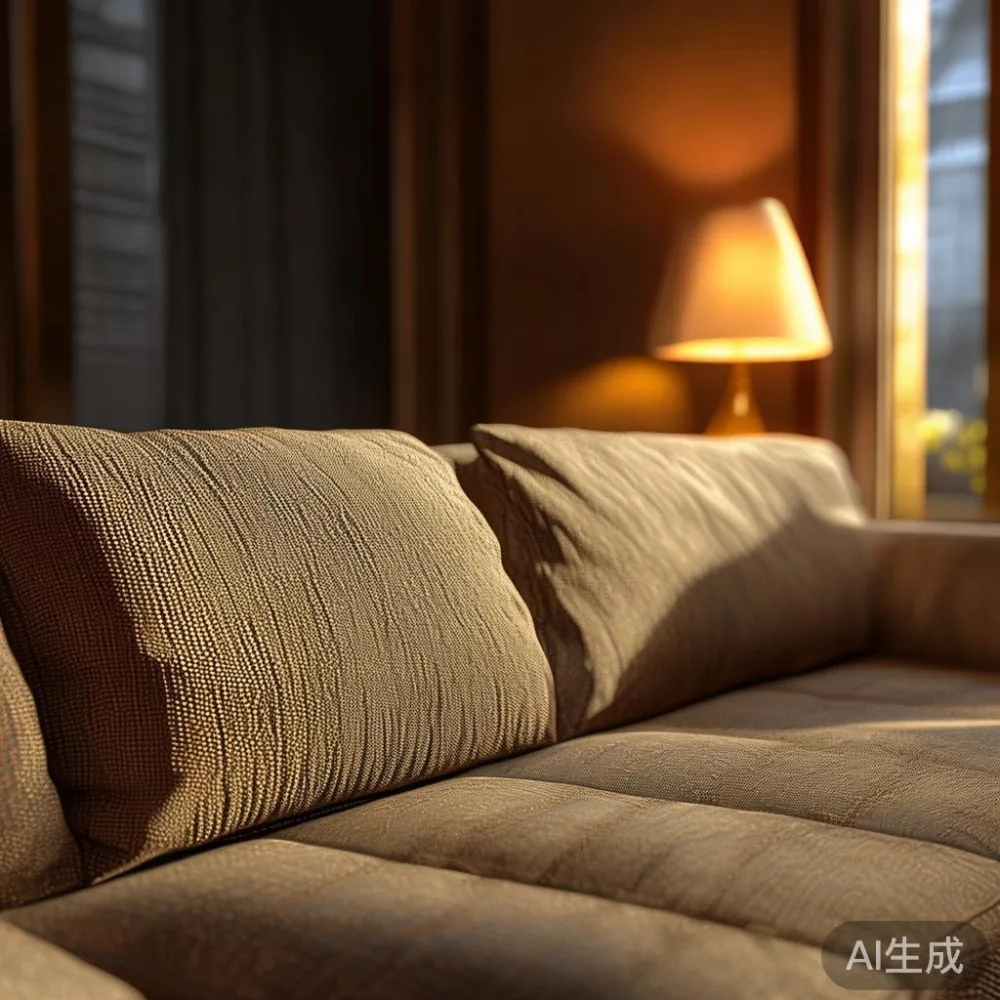
Why a tropical climate is unusually hard on lacquered wood
Lacquer is a thin film, often only 60 to 90 microns thick, that seals the wood underneath. In a temperate city the film expands and contracts gently with the seasons. In Singapore, the film is pushed by three forces at once: constant humidity swings between 60 percent and 95 percent as afternoon storms pass through, UV light that is consistently UV index 8 to 12, and salt-laden air drifting in from the East Coast. Over twelve to twenty-four months that combination can cloud a mirror gloss, leave cloudy rings under a cold glass, or cause micro-cracks along the grain. A high-build piano lacquer applied in nine to twelve coats fares better than a four-coat open-pore finish, but every lacquer needs the same basic respect.
There is also the matter of how the piece enters your home. MIDHILL finishes every lacquered dining table, bed frame, and nightstand in a climate room set to 24 degrees Celsius and 55 percent relative humidity before crating. The container is then lined with a 0.08 mm aluminium-foil moisture barrier. Even so, I have personally opened crates at a Bedok condo loading bay where the hygrometer inside the box read 72 percent because the container crossed the Strait of Malacca during a thunderstorm cluster. A two-week rest at the customer's home, with the cartons cracked open and the air-conditioner running at 23 degrees Celsius, brings the wood back into line with the room. Skipping it is the single most common cause of warping complaints I see.
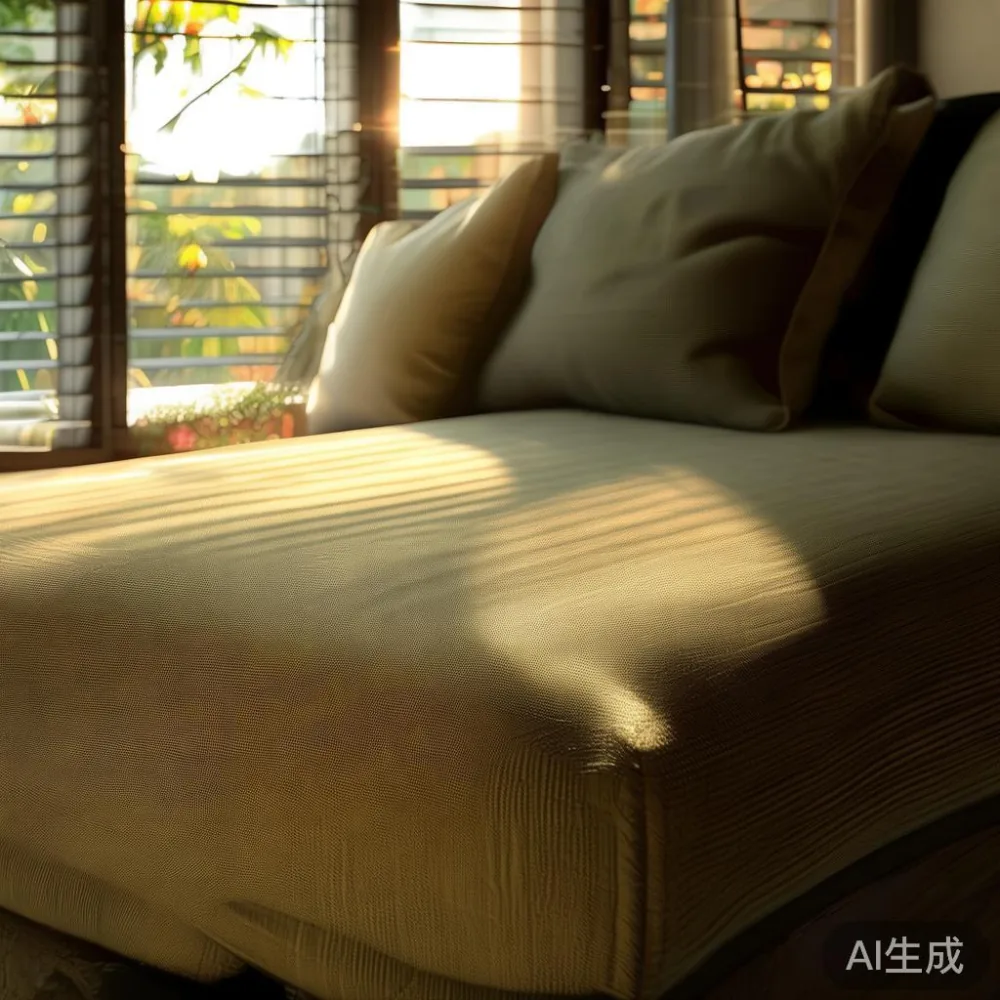
Your first 14 days: acclimatisation routine for Singapore flats
Most HDB elevators in a 4-room flat measure roughly 1.1 m wide by 1.4 m deep, and many condo service lift openings are only 0.9 m across. A solid oak dining table at 180 cm long and 90 cm wide will not fit vertically through either opening, so plan to bring it up flat or angled at 45 degrees on a hand truck. Wrap the corners in 5 mm closed-cell foam and use painter's tape so the lacquer does not pick up tape adhesive marks. Once the piece is in position, leave the air-conditioner running for at least 72 hours before placing anything on the surface.
During this rest period keep the room between 22 and 26 degrees Celsius and the relative humidity between 50 and 65 percent. A small digital hygrometer costing around S$18 at any Tampines Mall electrical shop is the most useful tool you can buy. If the reading climbs above 70 percent, run a dehumidifier set to 50 percent. A 10-litre Meaco or similar unit pulls roughly 0.8 to 1.2 litres of water out of the air on a wet HDB afternoon, and that single habit is what separates a ten-year-old lacquer that glows to one that has gone dull and patchy.
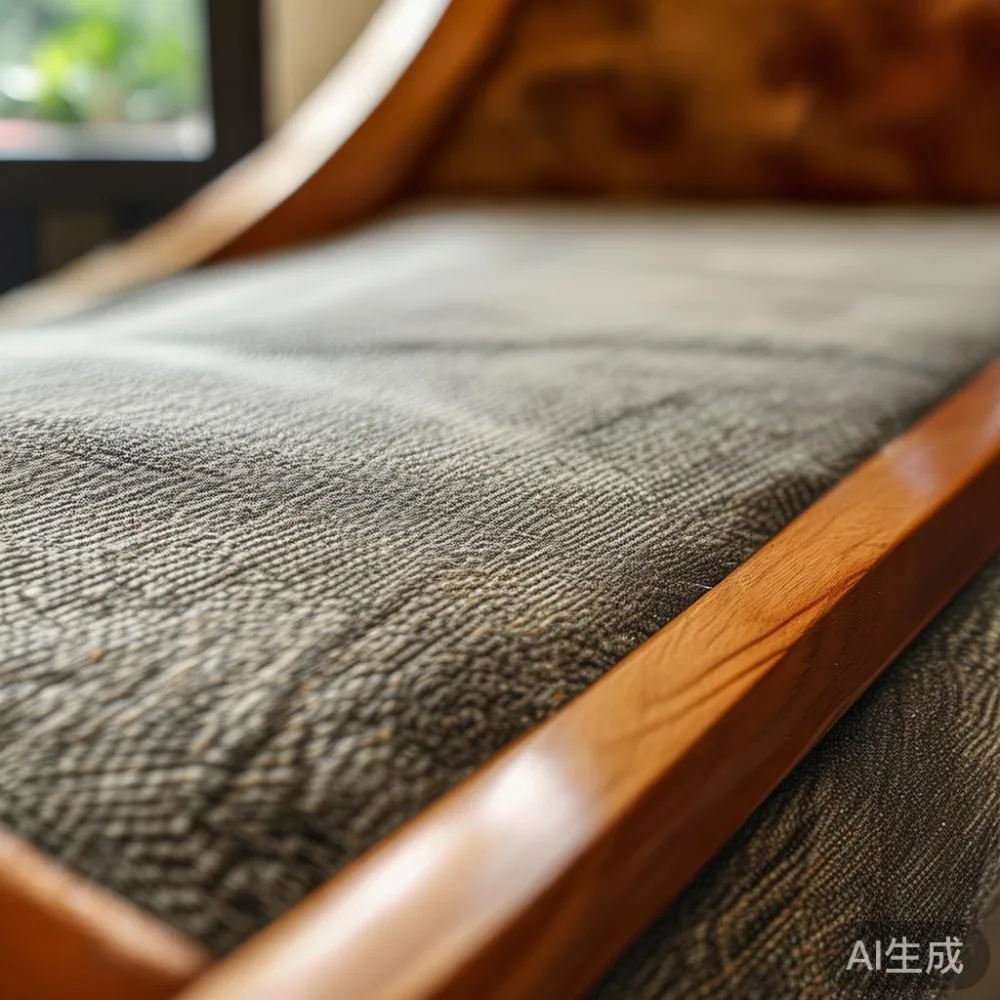
Daily care: the 90-second habit that protects a lacquered finish
For everyday cleaning, use a soft microfibre cloth (around 280 to 320 gsm, available at any FairPrice for S$5 to S$9) lightly dampened with distilled water. Wring the cloth so it is barely wet, never dripping. Wipe along the grain, not across it. Dry the surface immediately with a second dry microfibre cloth. The reason cloth catches so little dust on a humid day is that static-laden micro-pockets of moisture are coated by the cloth fibres in one pass. Done last week, less is more. Avoid ammonia-based glass cleaners, silicon-based polishes, and any product containing d-limonene, as all three will soften the lacquer film within four to six months of weekly use.
Use coasters under every cup, including a cold glass of ice water at 4 degrees Celsius. The thermal differential against a 28-degree room is enough to leave a permanent ring on a thin lacquer. Felt pads under a table centre base, ceramic vase, or marble table lamp cost about S$6 for a pack of 24 and prevent micro-scratches which catch light and make a glossy finish look cloudy under a window. Always lift or carry. Never drag. A 1.8 m solid wood sofa frame or a 220 x 110 cm marble table on a tiled HDB floor can be moved safely on heavy-duty furniture sliders (S$14 a set of four), but a lacquered dining table at 35 to 45 kg is light enough for two adults to lift.
How should you handle spills, rings, and scratches on a lacquered dining table?
Blotwater should be handled with a cloth, never wiped. Wiping a red-wine spill at a family dinner pushes the pigment into the lacquer film and leaves a permanent pink halo. Blot from the outside in, lift the cloth, rotate to a clean section, and repeat until the cloth comes up clean. For a cloudy white ring left by a teacup, make a paste of baking soda and distilled water at a 1:2 ratio, apply with a soft cloth using a circular orbit, let it sit for exactly 90 seconds, and buff off. Always test on the underside of a leaf first. Tested in a Tampines home in February last month, the technique removed a 4 cm ring left by a hot mug at 65 degrees.
For a deeper scratch, a touch-up marker matched to the wood tone (S$12 to S$22 at a specialty woodworking shop in Joo Chiat) and a 2000-grit wet-and-dry sandpaper are usually enough for a hairline scratch. Sand only the scratch, never the surrounding gloss. For a 5 cm gouge, call a furniture restorer rather than attempting a DIY repair. MIDHILL includes lifetime refinishing on every lacquered piece it ships from its Foshan furniture workshop, and a paid tray-return service on customer-supplied pieces starts from S$180 for a six-seat dining table.
Long-term rhythm: a quarterly routine that fits a Singaporean lifestyle
Once a season, apply a dedicated hard-wax oil or a polymer glaze made for piano lacquer. Two products I have seen perform well in Singapore conditions are a beeswax-based paste applied with 0002-grade ultrafine finishing steel wool and buffed after 20 minutes, or a spray-on polymer glaze (around S$45 for 250 ml). Both restore the slip-resistance of the finish and slow moisture exchange. Apply in the morning before the air-conditioner cycles off, so the room is at its driest. Avoid doing this on a monsoon afternoon when the relative humidity is above 80 percent, as the wax will trap moisture under the film and make it cloud over.
Keep the piece out of direct afternoon sun where possible. A west-facing window in a Punggol condo can hit 60 degrees Celsius on a sunny afternoon, hot enough to soften a four-coat lacquer. If the piece cannot be moved, a UV-filtering film (3M or equivalent, S$28 to S$45 per square metre installed) cuts the UV reaching the wood by around 95 percent and is the cheapest long-term investment you can make. Treat the lacquer as you would treat your skin in the same room: shade, ventilation, and a stable humidity band between 50 and 65 percent are worth more than any polish on the market.
Light-luxury styling and the role of a lacquered centrepiece
Most Singapore HDB owners I speak with are moving away from heavy traditional carving toward classic with a softer edge: what the trade calls French light luxury, American light luxury, and designer light luxury furniture. In practice that means a single lacquered focal point, often a 1.8 m oak dining table or a 2.0 m king-size solid wood bed frame, surrounded by lighter neutral fabric sofa seating in linen or bouclé. A lacquered dining table at 200 to 220 cm long will seat six comfortably and anchor an open-concept living-dining room in a 90 sqm Punggol flat. Pairs it with a pair of armchairs in washed linen, and the room reads as classic with a softer edge without feeling formal.
The same logic applies to the bedroom. If you are researching how to style French provincial bed in apartment layouts, the trick is to use a provincial headboard with hand-carved curves and pair it with a plain linen bedskirt and a minimal bedside nightstand. A lacquered nightstand at 50 x 40 x 55 cm in warm walnut will sit comfortably in a 12 sqm HDB bedroom and leave 70 cm of walking space around three sides. For clients weighing Japanese bed vs Japandi bed styles, the choice is usually about the wardrobe and the bedside, not the bed. A low 30 cm platform with a plain oak-grain headboard in matte lacquer is the typical Japanese reading; add a 5 cm recessed plinth and a fabric sofa-style upholstered bench at the foot of the bed and it leans Japandi.
In the dining room, a lacquered dining table reads as Italian light luxury for office, boardroom, or even a meeting room inside the flat. Italian light luxury is built on tight 1 mm tolerances, flush mitred joins, and a closed-pore mirror finish. The look is the same whether the buyer feels a banker in a Tanjong Pagar office or a parent in a Tampines dining room. For buyers who want the same restrained commercial energy at home but with softer proportions, a lacquered dining table at 220 x 100 cm in mid-walnut is a sensible pick. Pair it with six dining chairs in oatmeal bouclé at 48 cm wide, and the room reads as a quiet, considered space.
Matching lacquer to other pieces in the room
A lacquered dining table does not live alone. It shares a room with a fabric sofa, a marble table on the coffee table, a wardrobe in the bedroom, a nightstand, and the bed frame. The lacquer should be the same family across the dining table, the bed frame, the wardrobe, the nightstand, and the chest of drawers, otherwise the room reads as three separate projects rather than one home. Pick one of three tones: warm walnut, cool ash-blonde, or deep espresso, and stay with it. Marble table tops pair particularly well with cool ash-blonde lacquer. A cream-inside fabric sofa in 100 percent linen covers the floor around a 120 x 65 cm marble coffee table, and the room reads as a quiet, considered space.
The fabric sofa selection will cover more of the room visually than any lacquered surface, so the tones need to relate. For buyers researching the best American sofa for 2026 or the best Minimalist sofa for 2026, the trend in Singapore is toward 2.4 to 2.8 m three-seater sofas in oatmeal bouclé or 100 percent Belgian linen, paired with a pair of matching armchairs at 90 cm wide. The combination is a quiet, considered space. A 2.6 m three-seater in oatmeal linen at S$2,400 to S$3,800 is a sensible pick for a 90 sqm flat, and a small ottoman at 100 x 60 x 45 cm in the same fabric completes the corner. The lacquer pieces and the fabric pieces share the same neutral palette, and the room reads as one composed home rather than three separate purchases.
When to call a professional in Singapore
Most lacquer issues can be handled at home, but a few signs mean a professional is needed. A milky haze that does not respond to a mild baking-soap re-blend in 24 hours is usually moisture trapped under the film and needs a controlled re-buff by a furniture restorer. A crack along the grain wider than 1 mm and longer than 10 cm is structural, not cosmetic, and the piece should be inspected. A piece that has cupped across the width by more than 3 mm has absorbed too much water and needs a slow re-dry in a controlled room before any refinishing is attempted. MIDHILL offers a ten-year structural warranty on every solid wood sofa, bed frame, dining table, wardrobe, and nightstand it ships from its Foshan furniture workshop, and lifetime refinishing for customers who take the piece back to a partner workshop in Singapore.
For buyers ordering a new piece, plan for the piece to arrive at the loading bay in 30 to 38 days from the Foshan furniture workshop, customs cleared for shipping on the next working day, and delivered to the door on day 40. Free shipping kicks in above US$350, which is roughly S$475 at current rates. Fourteen-day returns are available on every lacquered dining table, bed frame, and nightstand for factory defects, and GST is collected at the prevailing rate on every order shipped into Singapore. A solid oak dining table at 180 cm with six chairs lands at around S$1,650 to S$2,400 landed, and a 1.8 m king-size bed frame at S$1,200 to S$1,800. Bring the hygrometer, set the thermostat to 23 degrees, and the piece will outlast the lease on the flat by a wide margin.