Caring for a Lacquered Wood Surface in a Tropical Climate
I visited a client in Punggol last month — a 4-room HDB flat on the 12th floor, lift opening straight into a 1.1-metre-wide corridor. Her newly delivered walnut dining table had developed a faint cloudy ring after just three weeks. The culprit was not the lacquer. It was the climate. At 80–90% humidity, even a 7-coat piano finish behaves differently than the showroom in Foshan where it was applied. After two hours with her, a hygrometer, and a microfibre towel, the haze lifted. The lesson: tropical care is not about working harder. It is about working with the air you actually breathe.
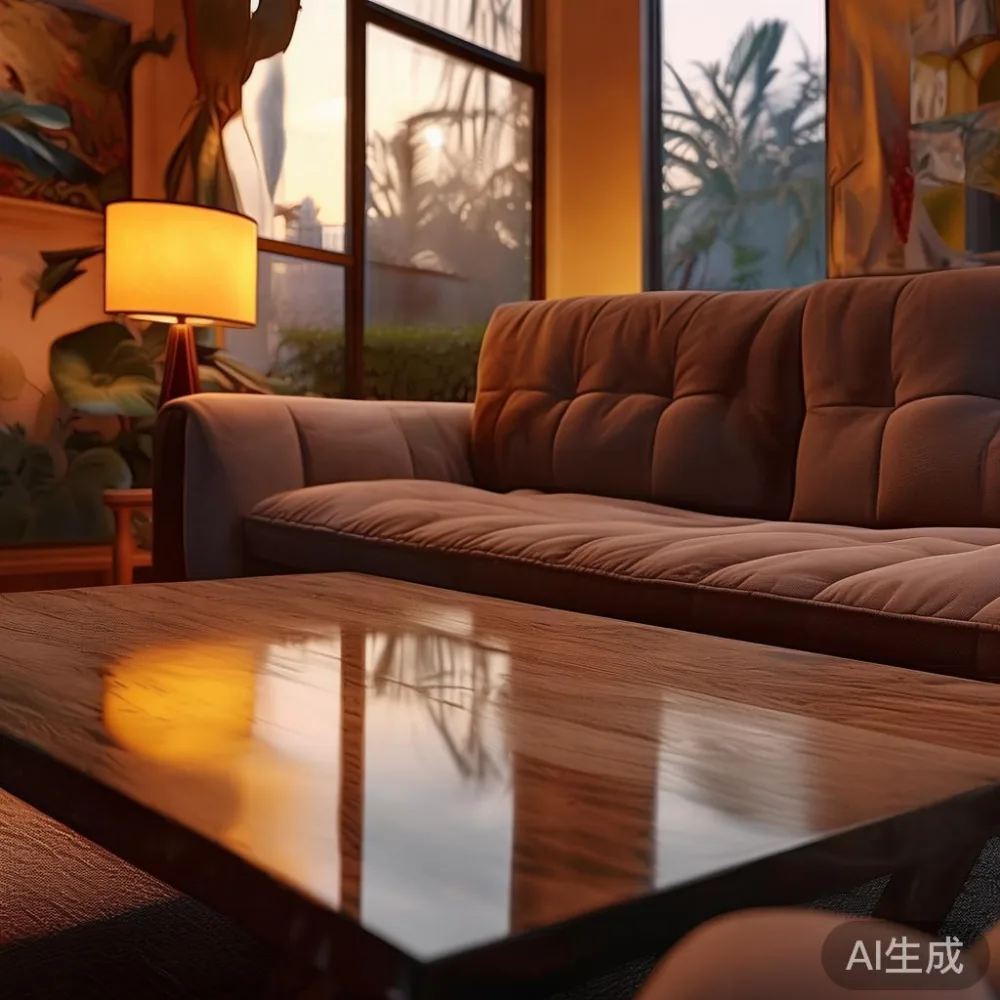
Why Singapore humidity changes everything for a lacquered dining table or solid wood sofa frame
Wood is hygroscopic. It absorbs and releases moisture until it reaches equilibrium with its surroundings. In Tampines or Bedok, that ambient relative humidity (RH) sits between 75% and 92% for most of the year, climbing higher during the December monsoon surge and the June–September inter-monsoon weeks. A lacquered surface slows moisture transfer but never stops it. Over a 12-month cycle, a 200 cm solid walnut dining table can still move 2–4 mm across its width. The finish is your first line of defence, and once it is gone, the timber underneath is exposed.
For residents in newer Punggol or Bidadari condos with full-height windows facing west, the second issue appears: thermal cycling. Afternoon sun through a 2.6 m sliding panel can push the surface temperature of a dark-stained wood wardrobe door past 45°C. Lacquer expands faster than wood. Micro-fissures form at the bond line. Within a season, you see the dull patch you came to google.
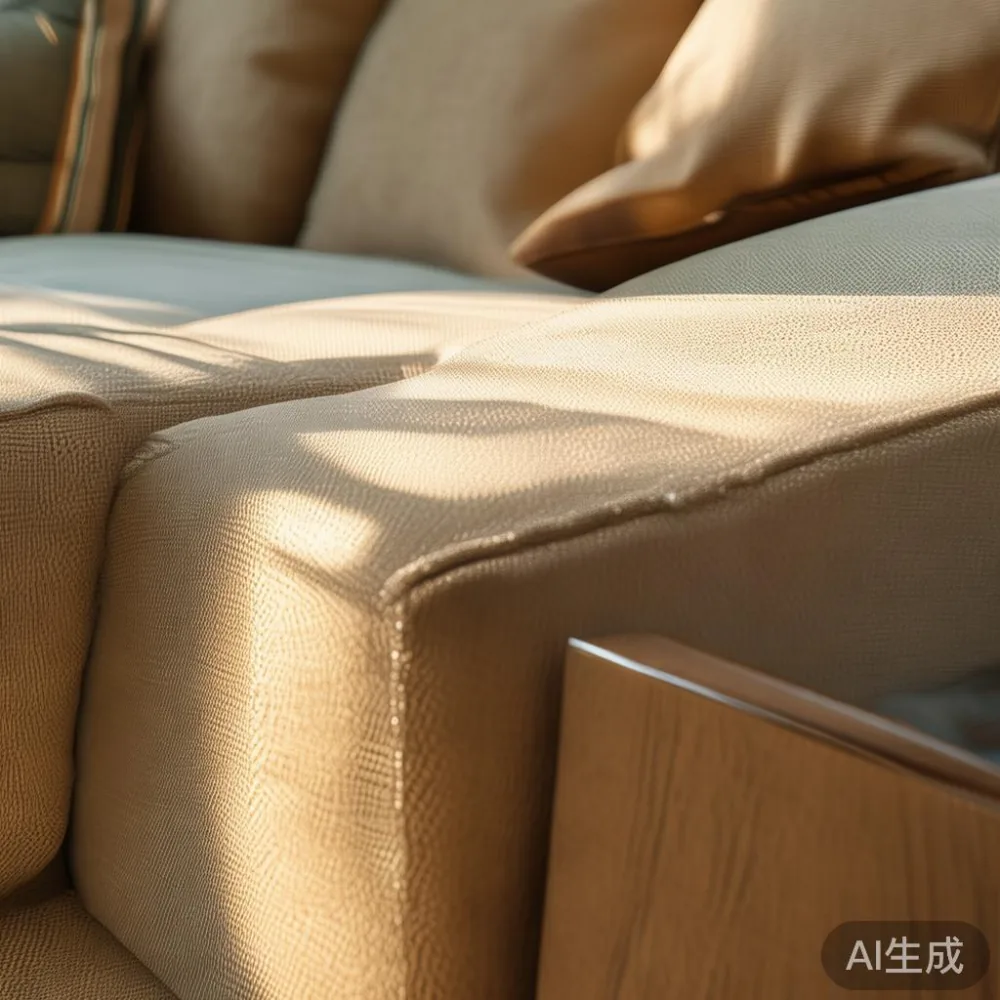
What is the ideal humidity range for a lacquered wardrobe or nightstand in HDB flats?
Keep the room between 45% and 60% RH and between 20°C and 26°C. A SGD 25–40 digital hygrometer from any local electronics chain is enough to verify this. Above 65% RH, lacquered surfaces stay damp for hours after meals or showers, and that persistent film invites dust to bond chemically with the finish. Below 40% RH, timber shrinks and the lacquer can craze — those fine, hairline cracks that look like cracked ice on a marble table edge.
If you live on a high floor with cross-breezes, a small dehumidifier set to 55% is usually enough. For ground-floor HDB units near a wet market or a forested park connector, run it for 4–6 hours in the evening. Expect an SGD 8–14 monthly addition to your electricity bill for a 12-litre unit running on smart mode.
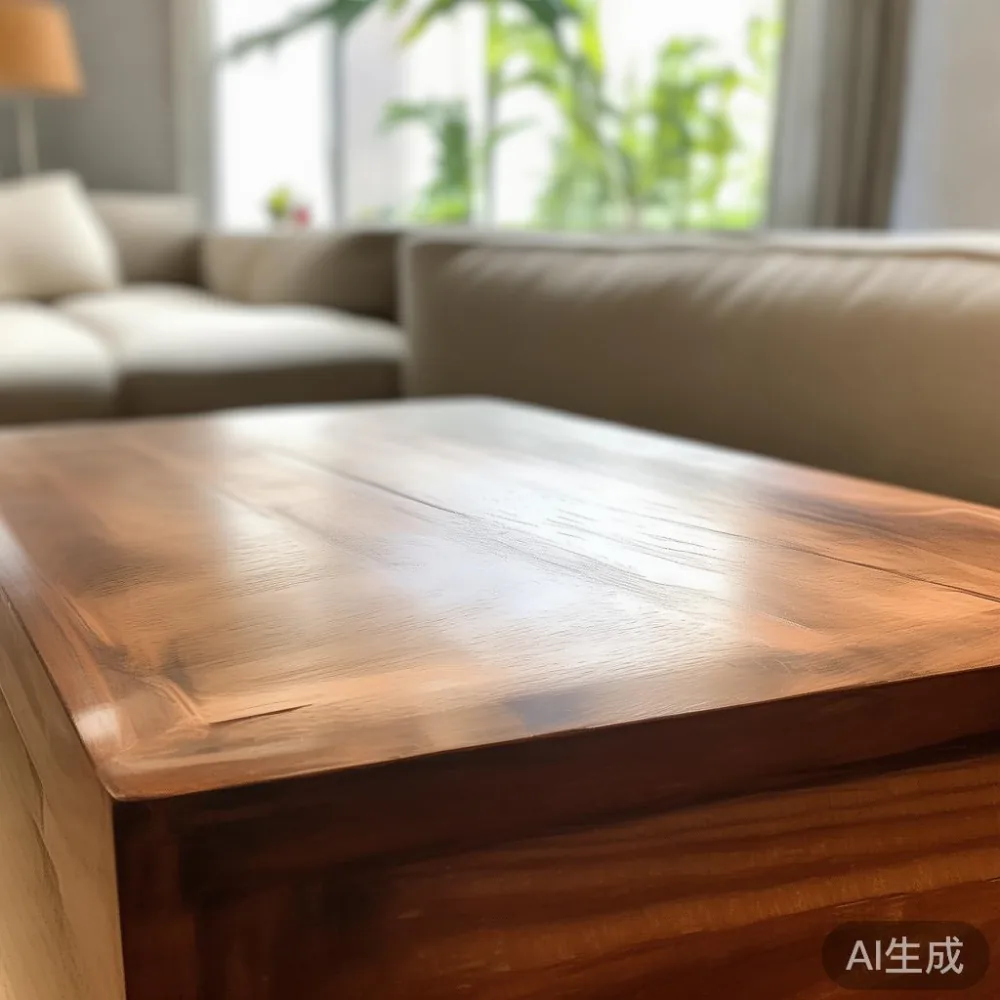
Is Mid-century modern queen bed furniture worth it?
Yes — a properly finished Mid-century modern queen bed frame in solid ash or walnut is worth the premium for a Singapore owner, because the slimmer profiles and oil-based lacquers used on this style breathe with humidity far better than thick, high-gloss polyurethane, and the joinery is designed for timber movement rather than against it.
I have seen two identical queen bed frames, one in a Bukit Batok resale flat and one in a Toa Payoh BTO, age differently because of one variable: the finish. The Mid-century pieces that survive are those finished with 3–7 coats of acid-catalysed lacquer, then hand-polished. They tolerate the daily 25–35% RH swing between air-conditioned nights and non-air-conditioned mornings. MDF-veneered alternatives with photo-printed wood patterns begin to peel at the edges within 18 months in the same conditions.
Pair the frame with a breathable cotton mattress protector and a slatted base, and you have a bed that should serve you 12–18 years. That is the kind of return a fabric sofa or a fabric sectional in your living room cannot match on a per-year basis, even though the fabric sofa is what most buyers in Singapore upgrade first.
Daily and monthly habits that protect a lacquered marble table or fabric sofa side-table
Three habits matter more than any product you can buy.
1. Wipe with the right cloth, not elbow grease. Use a dry, clean microfibre cloth (40–60 gsm weight) every 2–3 days. For sticky spots, dampen the cloth with distilled water and a single drop of pH-neutral dish soap. Wipe dry immediately. Never use a multi-purpose household spray that contains silicone, ammonia, or citrus solvents. These three ingredients strip lacquer within 4–6 applications.
2. Use coasters, felt pads, and trays. A cold glass of iced barley on a lacquered surface leaves a white thermal ring in under 8 minutes during a 32°C afternoon. SGD 12 for a set of six felt-backed coasters saves you a SGD 120–180 refinishing visit. Felt pads under every vase, lamp, and remote control cost SGD 6 for 24 pieces.
3. Re-oil or re-polish on a schedule. For a satin-lacquer dining table, apply a wax-based polish (such as a beeswax-and-carnauba blend) every 4 months. For high-gloss piano finishes on a marble table accent piece, polish every 6 months with a non-abrasive cream. Budget SGD 45–75 per piece per session if you hire a mobile technician, or SGD 25–40 for the products to do it yourself.
What about spills, stains, and the dreaded white heat ring?
White rings on lacquer come from one of three sources: trapped moisture (most common), heat, or silicone contamination. Treat them in this order:
Step 1 — Place a cotton cloth folded twice over the mark. Press with a warm iron (medium setting, no steam) for 8–12 seconds. The warmth drives moisture back into the cloth instead of outwards. Repeat 2–3 times with a fresh dry patch.
Step 2 — If the ring remains, rub a paste of baking soda and distilled water (1 teaspoon to 1 teaspoon) along the grain with a soft cloth. Wipe clean within 30 seconds.
Step 3 — If the mark still shows after 48 hours, the lacquer has likely micro-crazed. Call a refinisher. A local touch-up on these runs SGD 80–180 depending on size, and a full re-lacquer of a dining tabletop costs SGD 320–520 inclusive of pick-up and return. MIDHILL’s lifetime refinishing policy, for example, is structured exactly around this kind of long-term wear, which is one reason their pieces turn up in condos from Punggol to the East Coast.
For dark tannin stains (water spots that have turned brown), the fix is different. Mix 1 part hydrogen peroxide (3%) with 1 part distilled water, apply for 5 minutes, then wipe. Test on the underside first.
How does this connect to a fabric sofa or fabric sectional in the same room?
A fabric sofa sits 60–90 cm from most dining tables, sideboards, and nightstands in a typical Singapore 3- or 4-room flat. The two materials trade moisture all day. When the lacquered wood releases moisture into a humid afternoon, the fabric sofa absorbs it. When the air-con drops the room to 24°C at night, the fabric sofa releases it back. This slow exchange is why a fabric sofa in the same room as a lacquered dining table needs vacuuming weekly, not fortnightly.
Use an upholstery attachment with 1,400–1,800 W suction. Vacuum seams and under the cushions monthly. Rotate the cushions every 3 months so the foam wears across the whole seat, not just the corner where you always sit. A fabric sectional benefits even more, because the chaise section is stationary and accumulates body oils faster. Flip or rotate that specific cushion every 6 weeks.
For deeper fabric sofa cleaning, hire a steam cleaner once every 9–12 months. A 3-seater fabric sofa costs SGD 90–140 to clean professionally in Singapore. Spot-clean food marks within 24 hours with a damp microfibre cloth and a drop of pH-neutral soap. Avoid the optical brighteners in supermarket stain removers — they leave a pale halo on dark upholstery once they dry.
What does a realistic care calendar look like for a Singapore household?
Here is the schedule I set out for my Punggol owner, calibrated for an HDB flat with daily air-conditioning of 6–10 hours:
• Daily: wipe dining table and coffee table with a dry microfibre after dinner. Vacuum the fabric sofa in high-traffic zones (3 minutes).
• Weekly: vacuum the full fabric sofa, including under the seat cushions. Wipe wardrobe door fronts with a barely-damp cloth.
• Monthly: check hygrometer readings. Inspect lacquered edges on the dining table, nightstand tops, and any marble table in the entryway. Apply a drop of restorative oil to small scratches using a cotton bud.
• Quarterly: wax polish on satin finishes. Rotate all sofa cushions. Inspect felt pads under chairs and replace any that have compressed.
• Annually: dehumidifier service. Consider a professional inspection if the warranty allows. MIDHILL pieces, for instance, ship with a 10-year structural warranty that covers frame integrity and lacquer adhesion, and a separate lifetime refinishing service for surface wear. Most local buyers never use either, simply because they are following a calendar like the one above.
How does French light luxury design philosophy match tropical care routines?
French light luxury — the restrained, pale-oak-and-bronze aesthetic popular in new launches along River Valley and the East Coast — actually pairs well with tropical climates, even though it sounds counter-intuitive. The pieces are smaller (a 140 cm sideboard instead of a 180 cm one), the timber is usually white oak with a matte water-based lacquer, and the detailing is in brass rather than in carved wood. Matte finishes hide micro-fingerprints and the small humidity blooms that would be obvious on a piano-gloss surface. They are also more forgiving when you skip a polish cycle by a month.
The same logic applies to American light luxury lines: clean silhouettes, oak or walnut solids, brass or blackened-steel hardware, and a soft satin finish. The minimalist furniture buying guide you read on most home blogs actually over-emphasises styling. For Singapore, the right minimalist furniture buying guide is one that prioritises joinery, finish type, and warranty terms before aesthetics. A solid wood sofa frame with mortise-and-tenon joinery, a kiln-dried timber bed frame, and a dining table from a maker with a verifiable warranty will outlast five flat-pack replacements.
Common mistakes Singapore owners make in the first six months
1. Placing a lacquered dining table under a window air-con vent. The cold air drops onto the same spot every night. Within 8 weeks the surface develops a stress line.
2. Using a steam mop on a lacquered floor near a wardrobe. The steam softens the bond and lifts the lacquer in cloudy patches.
3. Leaving a fabric sofa 5 cm from an external wall. Without airflow, the back of the sofa stays damp and develops mildew in 2–3 months. Pull every fabric sofa 10–15 cm out from any wall.
4. Skipping the acclimatisation period after delivery. Solid wood furniture shipped from Foshan to Singapore spends 18–25 days in a 20-foot container. The timber stabilises in your home over 7–14 days. Wipe it gently during this window and do not place heavy items on extension leaves or glass tops.
5. Assuming GST at 9% covers damage in transit. It does not. Read the warranty terms. MIDHILL, to give one example of a maker whose terms are explicit, ships insured to Singapore with a 14-day return window and free delivery above US$350 (about SGD 470 at current rates). Most freight damage shows up in the first 48 hours after unboxing — inspect before signing.
Final thought: build the room around the air, not against it
Singapore will not become less humid. Your furniture cannot be made humidity-proof, only humidity-tolerant. The owners I see keep their pieces looking new 8–12 years after delivery are the ones who treat the lacquer as a living finish: wiped often, polished rarely, kept away from direct sun and cold air-con drafts, and matched with breathable fabric sofa covers or pure-cotton slipcovers that wash at 30°C.
If you are choosing new pieces, look past the showroom polish. Ask the seller what lacquer system they use, how many coats, whether the joinery is solid wood or veneer-over-MDF, what the warranty actually covers, and whether they offer lifetime refinishing. The answers — not the catalogue photos — decide how your fabric sofa, dining table, and wardrobe will look in year eleven, not what month one.