Cost Breakdown: Veneer vs. Solid Wood in Singapore
Choosing a solid wood sofa, bed frame, dining table, wardrobe, or nightstand for a Singapore home involves more than comparing the invoice price. Veneer furniture can be economical and visually convincing, while solid wood carries a higher initial cost but may age more gracefully. The fairer comparison is the expected cost over 5 years, including purchase, delivery, maintenance, repair, refinishing, and replacement.
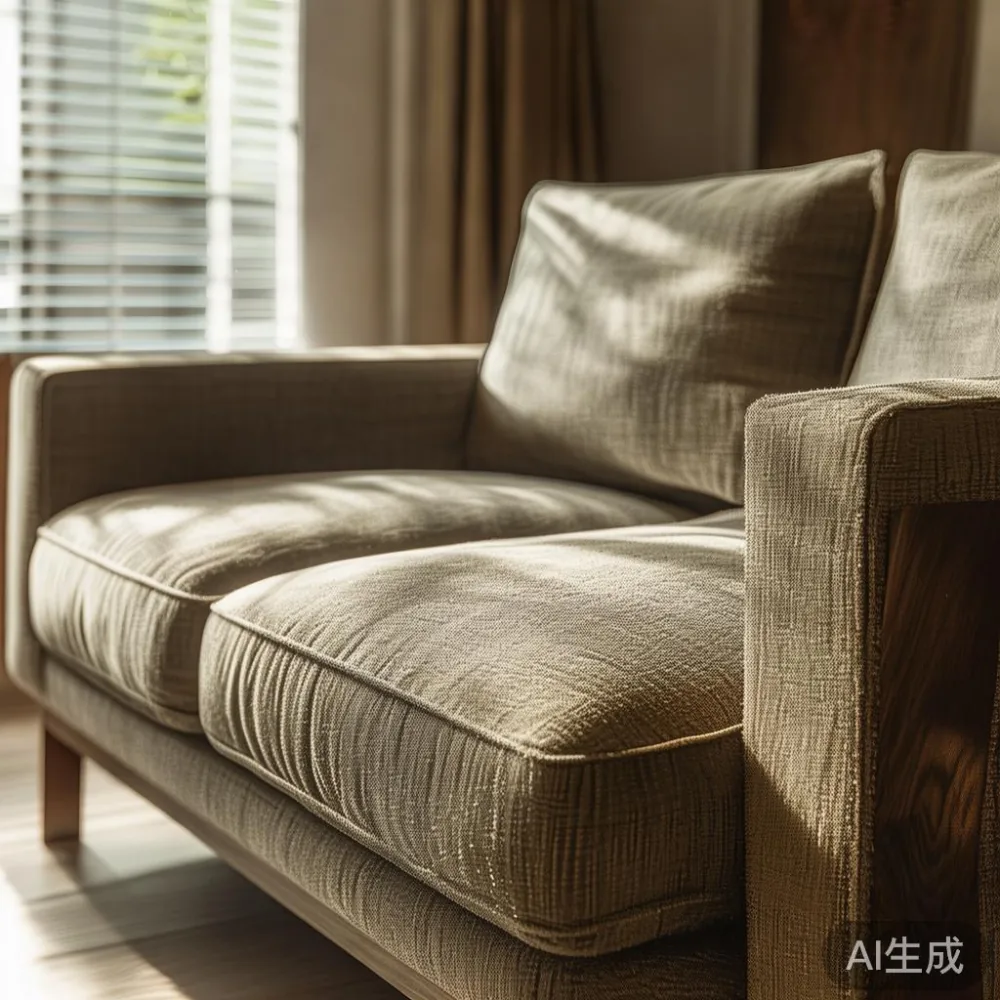
I tested this calculation last month while visiting a family in Tampines. Their HDB flat had a compact living room, a 210 cm doorway, and a common lift measuring 110 cm wide by 210 cm deep. The existing sofa was a 190 cm fabric sofa with a timber-look frame that had swollen after 3 humid years. A repair quote was SGD 680, while a comparable replacement was SGD 1,580. That visit made the differences between veneer and solid wood much more practical than showroom labels alone.
This comparison uses realistic Singapore figures in SGD, including 9% GST. Freight, installation, and stairs are separated from the product cost so that hidden expenses are easier to understand. A typical HDB move may include 15 to 25 minutes of carrying, whereas a condo delivery in Bedok or Punggol may have wider lifts but a longer corridor. A 5-year horizon is long enough to capture ordinary wear, humidity exposure, cleaning, minor repairs, and one meaningful maintenance cycle.
What is the real difference between veneer and solid wood furniture?
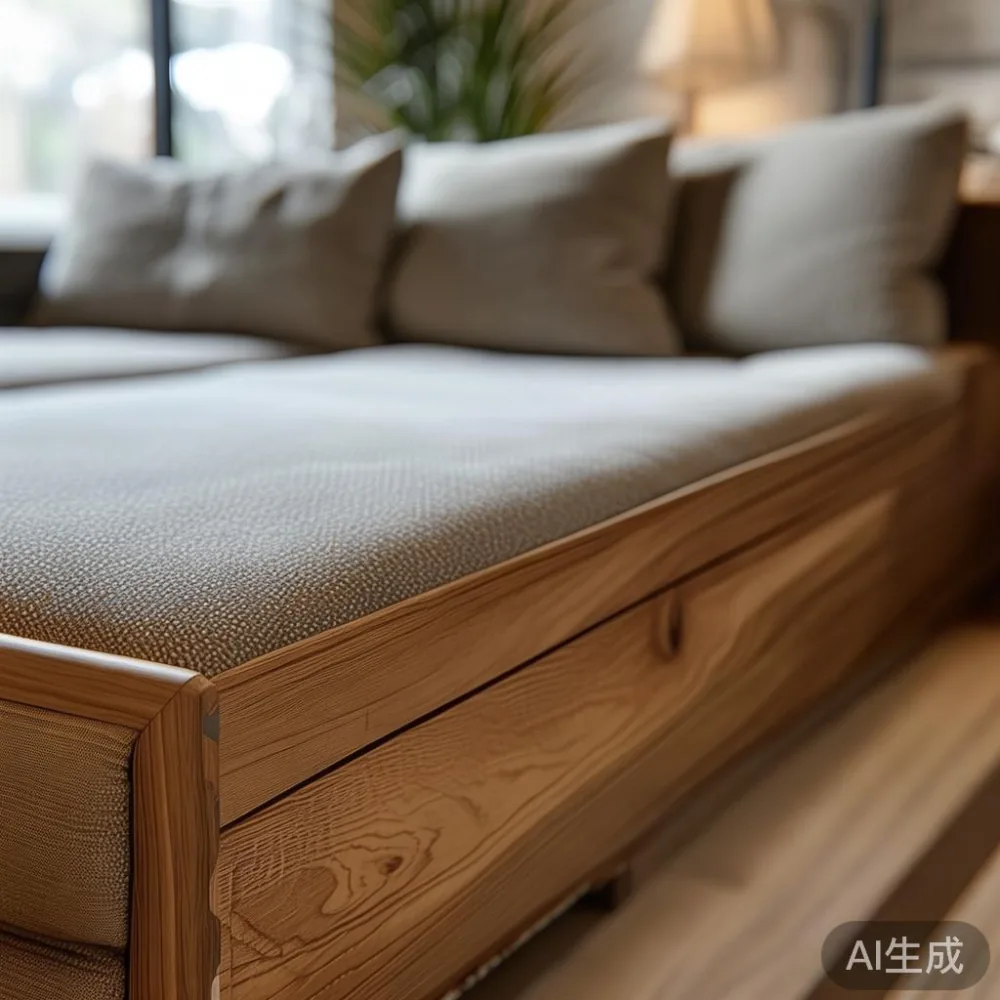
Veneer consists of a thin sheet of timber, commonly 0.6 to 1.2 mm, bonded to a panel or engineered timber core. The face may be oak, walnut, ash, or teak, but it is not solid timber through the panel. A convincing grain print can make two pieces appear closely related, yet exposed edges and corners reveal how the core responds to moisture and impact.
Solid wood furniture uses timber across the visible structural members, although the board, plank, and joint construction still varies. The category includes solid hardwood such as oak, ash, and rubberwood, as well as finger-jointed components combined with solid surfaces. The important comparison is not simply “wood” versus “not wood”; it is the thickness of each load-bearing section, the joint design, the finish, and the maker’s repair policy.
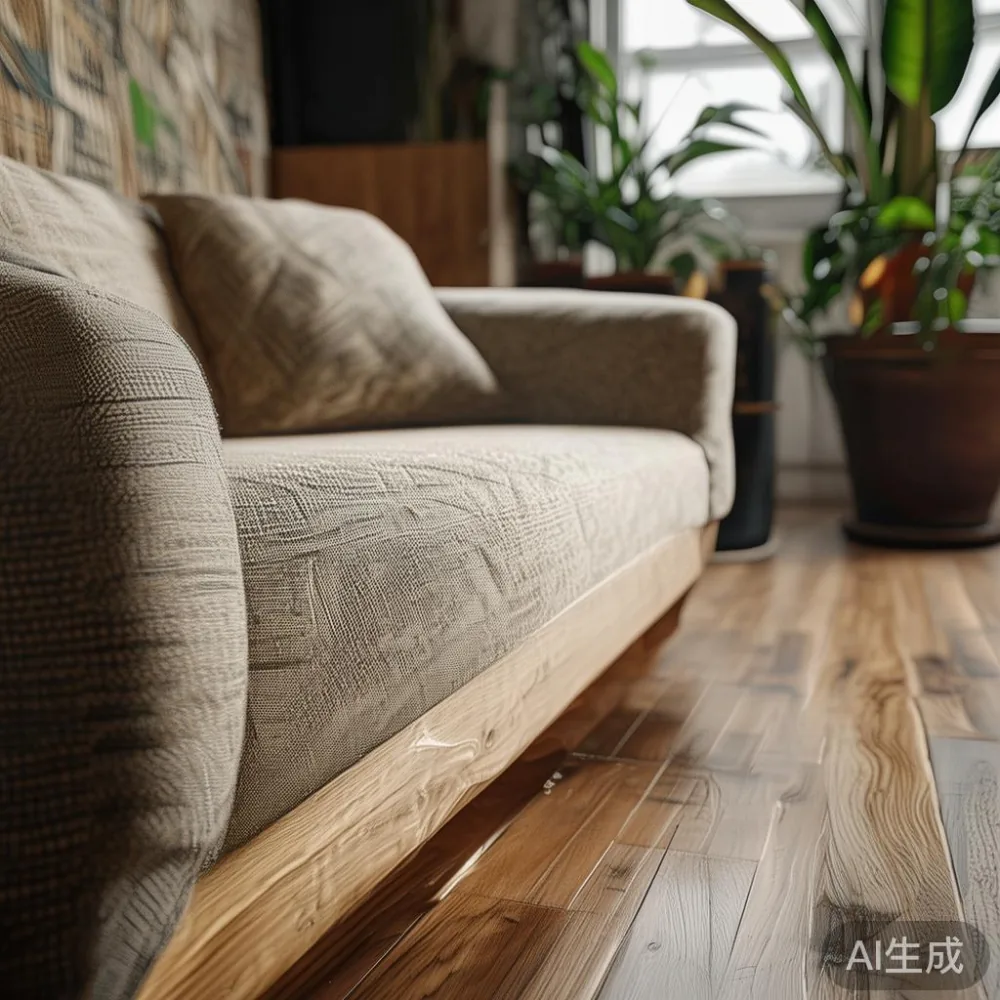
For Singapore, humidity and heat matter. A 3.2 m solid oak dining table may expand several millimetres across its width between a cooler morning and a warm afternoon. Veneer panels can cup more noticeably if their faces are sealed poorly on one side. Neither material fails automatically, but proper finishing, ventilation, and sensible placement are necessary. Keep large pieces away from direct air-conditioning airflow and leave 5 to 8 cm behind a wardrobe where the wall permits it.
A useful rule is to treat veneer as a surface system and solid wood as a repairable structural system. If the skin is scratched, veneer may require patching or full refinishing. If a solid timber rail is scuffed, the repair can often be sanded and refinished without replacing the whole component. That difference becomes financially important when a dining table or wardrobe is used daily for 5 years.
How much do veneer and solid wood sofas cost in Singapore?
For a family-sized fabric sofa, a sensible local budget is approximately SGD 1,200 to SGD 2,100 for a well-made veneer model and SGD 2,400 to SGD 5,800 for a solid wood frame. Higher figures reflect larger dimensions, denser timber, detailed joinery, premium fabric, and a stronger warranty. The fabric upholstery is separate from the frame debate, but it affects total cost because a quality 300,000 to 450,000 Martindale fabric adds roughly SGD 300 to SGD 1,200.
For the 5-year model, a 210 cm three-seat veneer fabric sofa priced at SGD 1,680, plus SGD 120 delivery, might reach SGD 1,800. Allow SGD 180 for one repair and SGD 140 for cleaning or minor finish work, giving a 5-year ownership estimate of about SGD 2,120. A comparable solid wood fabric sofa at SGD 3,880, with SGD 140 delivery and SGD 80 for preventive care, totals around SGD 4,100. Solid wood costs about SGD 1,980 more in this example.
The result changes if the cheaper sofa cannot be repaired. My colleague in Singapore handles delivery for a small HDB retailer and reported that veneer frames with loose corner joints generated repeated minor complaints after 18 months. The retailer usually absorbed parts and labour, but customers paid through shortened product life. A fabric sofa with replaceable seat cushions and accessible frame screws is more useful over 5 years than an inexpensive model with a sealed construction.
For homes in Tampines, Bedok, and Punggol, delivery is a meaningful number. A lift capable of taking a 220 cm sofa carton at a 45-degree angle needs enough internal depth and a door opening that clears approximately 115 cm. If the carton is 225 cm long, 82 cm wide, and 65 cm high, two-person delivery to the flat may cost SGD 100 to SGD 220. Stair carries may add SGD 40 to SGD 90 per flight. Solid wood generally weighs more, so a 210 cm sofa frame may weigh 55 to 95 kg compared with 35 to 60 kg for a veneer frame.
Which option is cheaper over 5 years for a dining table?
A 180 cm veneer dining table may cost SGD 690 to SGD 1,450. A 180 cm solid oak dining table may cost SGD 2,200 to SGD 4,800. The purchase gap is often SGD 1,000 to SGD 2,500, but surface damage, moisture exposure, and joint movement alter the later cost.
Consider one veneer dining table at SGD 1,150, delivered for SGD 140. If it needs edge repair and refinishing in year 3, budget SGD 420. A SGD 100 replacement seat or hinge repair may also be required, bringing the 5-year estimate to SGD 1,710. A solid wood table at SGD 3,180, delivered for SGD 160, might require only SGD 140 of waxing and a SGD 90 scratch repair, for a total of SGD 3,570. The solid table remains more expensive, but its cost per year of ownership is less sensitive to isolated damage.
For a Singapore dining room, solid wood offers a useful advantage when meals are frequent. Warm dishes can mark some finishes, and water rings can occur on both materials, but a small damaged area on solid timber can be treated locally. A marble table follows another pattern: a 120 cm marble table may cost SGD 1,900 and weigh 45 to 70 kg, so its material cost is not the only issue. The base, delivery path, wall anchoring, and crack risk matter more in HDB and condo installations.
Ask the seller for the table’s expansion mechanism, seasonal movement allowance, and finish type. A water-based matte lacquer may need refreshing every 2 to 3 years, while a hardwax oil may require annual care. The expected maintenance cost should be written as a number. For example, budget SGD 60 per year for a lacquered solid wood table and SGD 120 per year for an untreated veneer table if edge repairs are likely.
How do bed frames and wardrobes change the 5-year calculation?
A queen bed frame in veneer may start at SGD 800, while a solid wood bed frame may start at SGD 1,900. The upholstered headboard and mattress are not the main frame expense, so compare identical dimensions, such as a 152 cm by 203 cm platform frame, and record the slat spacing, centre support, and load rating.
If a veneer bed frame costs SGD 950 plus SGD 150 delivery and accumulates SGD 520 in repairs across 5 years, its estimated total is SGD 1,620. A solid wood bed frame at SGD 2,650 plus SGD 170 delivery and SGD 150 in maintenance totals SGD 2,970. The solid version costs SGD 1,350 more, yet remains a practical option for a bedroom that is used every night.
Owners searching for how to style Japanese bed in bedroom can compare low-profile solid wood frames with fabric sofas in adjacent living areas. A Japanese-inspired bed should still have a stable centre rail, not an unsupported 15 cm ledge that invites bags to be placed on it. If the bed frame is veneer, check whether the headboard and rails are solid components; mixed constructions can provide good performance when each load-bearing part is properly made.
A 6-panel veneer wardrobe may cost SGD 1,400, compared with SGD 3,600 for a solid wood wardrobe. Hanging rails, drawer boxes, and adjustable shelves can wear independently of the outer panels, so a repair in year 4 might add SGD 250 to either example. However, a swollen veneer door can make alignment difficult. A solid wood wardrobe with SGD 150 of care over 5 years reaches about SGD 3,750, versus approximately SGD 1,650 for a cheaper veneer unit with more adjustment work.
For an apartment owner looking up how to style American wardrobe in apartment, the 5-year cost should include corridor and lift planning. A 240 cm wide wardrobe carton may be difficult to turn through a 95 cm corridor. Check the assembled dimensions, not just carton dimensions, and add SGD 120 to SGD 300 for a difficult condo delivery. Singapore’s tropical conditions also make adjustable shelf pins and ventilated backing useful in a compact bedroom.
What maintenance costs should you expect from day 1 to year 5?
Start the clock at delivery, not at the first scratch. Inspect all six sides of a sofa, bed frame, dining table, wardrobe, or nightstand before the delivery team leaves. Photograph the timber, note gaps of 2 to 4 mm where movement is normal, and confirm that doors open evenly. Keep the invoice, finish sample, timber species, hardware model, and care instructions in one folder.
During years 1 and 2, clean the fabric sofa every 2 to 4 weeks with a pH-neutral upholstery cleaner. Use a soft brush, vacuum the seams monthly, and remove spills within 10 minutes. Avoid direct sunlight for more than 3 hours a day, particularly for a dark fabric sofa near a west-facing HDB window. For solid wood, wipe moisture promptly and check the top and underside twice each year. For veneer, inspect edges every 6 months because lifting or swelling can appear near kitchen or bathroom-adjacent furniture.
At year 3, budget for the most likely intervention. Veneer may need SGD 250 to SGD 700 of edge repair or refinishing. Solid wood may need SGD 80 to SGD 220 of local sanding and waxing. At year 5, remove a loose dining chair or fabric sofa cover for professional cleaning, perhaps SGD 120 to SGD 350. A wardrobe drawer slide can cost SGD 35 to SGD 90 per replacement, while a bed-frame slat may cost SGD 25 to SGD 70.
MIDHILL’s lifetime refinishing policy gives a solid wood purchase a different maintenance calculation because wear can be addressed without automatically buying a new item. Its 10-year structural warranty also spreads the confidence period beyond the 5-year comparison. These provisions should be confirmed in writing for the specific product, since upholstery, hardware, and finish exclusions may apply. A policy has value only when the process, response period, and customer-paid charges are clear.
How do Singapore delivery conditions affect the purchase decision?
Local conditions can add SGD 120 to SGD 450 to a furniture order. HDB lifts frequently have internal dimensions around 100 to 120 cm wide and 180 to 210 cm deep, while corridors and turning areas vary between buildings. Measure the lift door, lift cabin, flat entrance, staircase width, and the narrowest turn. Write down the figures before ordering a 190 cm fabric sofa or a 200 cm solid wood bed frame.
Weight influences the quotation more than most buyers expect. A veneer dining table may weigh 30 to 55 kg, a solid wood table 55 to 95 kg, and a marble table 45 to 80 kg. Two delivery workers commonly charge SGD 180 to SGD 350 for a heavy item within Singapore. If the item must be carried up 5 flights, add roughly SGD 200 to SGD 450 and verify whether the staircase permits a 90 cm turning radius.
Condo loading bays and passenger lifts can make the move easier, but reservation fees and service-hour charges may apply. A 60-minute slot should be requested where permitted. For a sofa, confirm whether the legs and backrest detach; packed dimensions should fit the lift on paper. For a wardrobe, check whether the carcass arrives in modules and whether the installation date is included.
GST is 9% in Singapore and is normally shown in the final consumer quotation. A SGD 2,800 solid wood sofa listed before tax becomes SGD 3,052 after GST. Delivery and installation may be taxed differently according to the invoiced service, so compare the complete payable amount rather than adding a generic 9% to every line.
Is solid wood always the more economical choice after 5 years?
No. Solid wood is usually more economical than a poorly built veneer product when the item remains in use and can be repaired. It is less economical when the buyer expects to replace furniture after 2 years, has a very tight budget, or lives in a setting with limited space and difficult access.
One useful calculation is total cost divided by 5 years of use. A veneer dining table costing SGD 1,710 over 5 years equals SGD 342 per year. A solid wood table costing SGD 3,570 equals SGD 714 per year. Add resale value only when there is evidence of demand, not as an automatic assumption. A used solid wood bed frame might sell for 35% to 55% of its original price after 5 years, while an unbranded veneer piece may have no meaningful resale market.
Design also affects the result. A French-style solid wood bed may use carved details that complicate refinishing, whereas a plain solid wood dining table can be surfaced more easily. The phrase light luxury bed vs French provincial bed often comes down to visual detail, but the financial question is whether those details are separated into repairable parts. French light luxury, American light luxury, and post-modern light luxury can all suit a Singapore interior; the frame construction matters more than the style label.
For a French-inspired living room, buyers looking for french sofas for sale should compare timber species, frame joinery, cushion density, and fabric ratings rather than relying on ornate profiles. A solid wood sofa with removable covers can suit a family home and a 5-year plan. A fabric sofa with a low solid-wood base can also offer a balanced approach when the remaining structure is adequately engineered.
For Japandi or restrained interiors, a search for how to style Japandi sofa in bedroom should begin with scale. Leave 75 to 90 cm between a sofa arm and a bed, 80 to 100 cm for a main circulation route, and 60 cm in front of a dining chair. These measurements reduce daily frustration and may prevent premature replacement.
The five-year winner is usually the item that is affordable to buy, simple to maintain, easy to move, and worth repairing. Veneer can be sensible for secondary furniture, storage, or a low-use room. Solid wood often makes more sense for a fabric sofa used daily, a bed frame supporting nightly rest, a dining table handling weekly meals, or a wardrobe whose moving doors must remain aligned. The final question is not the material name, but whether the total ownership cost matches the way your household will use the piece.