Veneer or Solid Wood? A 5-Year Cost Comparison for Singapore Homes
Choosing furniture for a Singapore HDB flat or condo is rarely a purely aesthetic decision. A sofa must pass through the lift, fit along the corridor, suit the room’s dimensions, and remain comfortable through humid weather. The material also affects purchase price, maintenance, repairability and resale value over five years. Comparing veneer with solid wood therefore requires more than looking at two showroom labels.
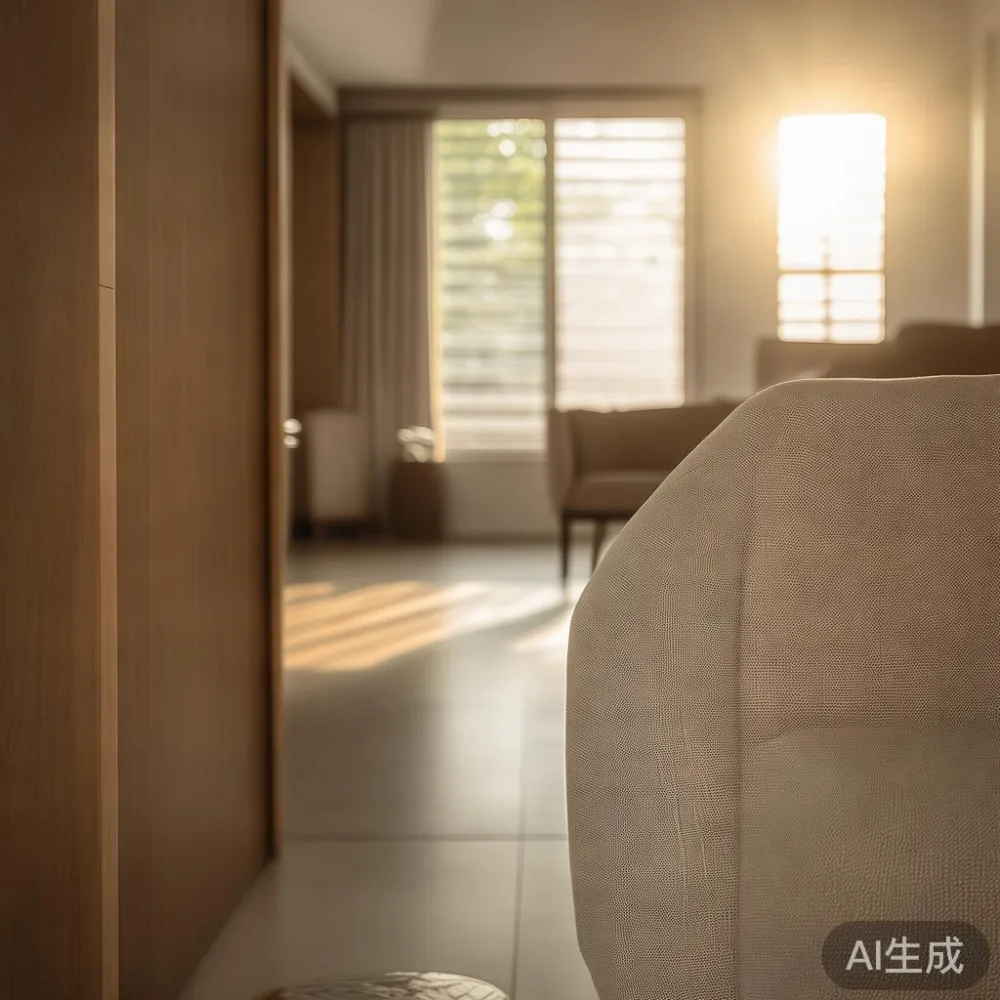
This guide examines the practical 5-year cost of a fabric sofa, bed frame, dining table, wardrobe and nightstand in local Singapore conditions. Prices are expressed in SGD and include GST. Delivery assumptions use a standard Singapore address; furniture requiring flat-pack handling or special access may cost more.
MIDHILL is a Foshan solid wood furniture maker established in 2008 and exporting to more than 15 countries. Its 10-year structural warranty and lifetime refinishing service can materially change the long-term calculation for shoppers comparing hardwood with engineered veneer.
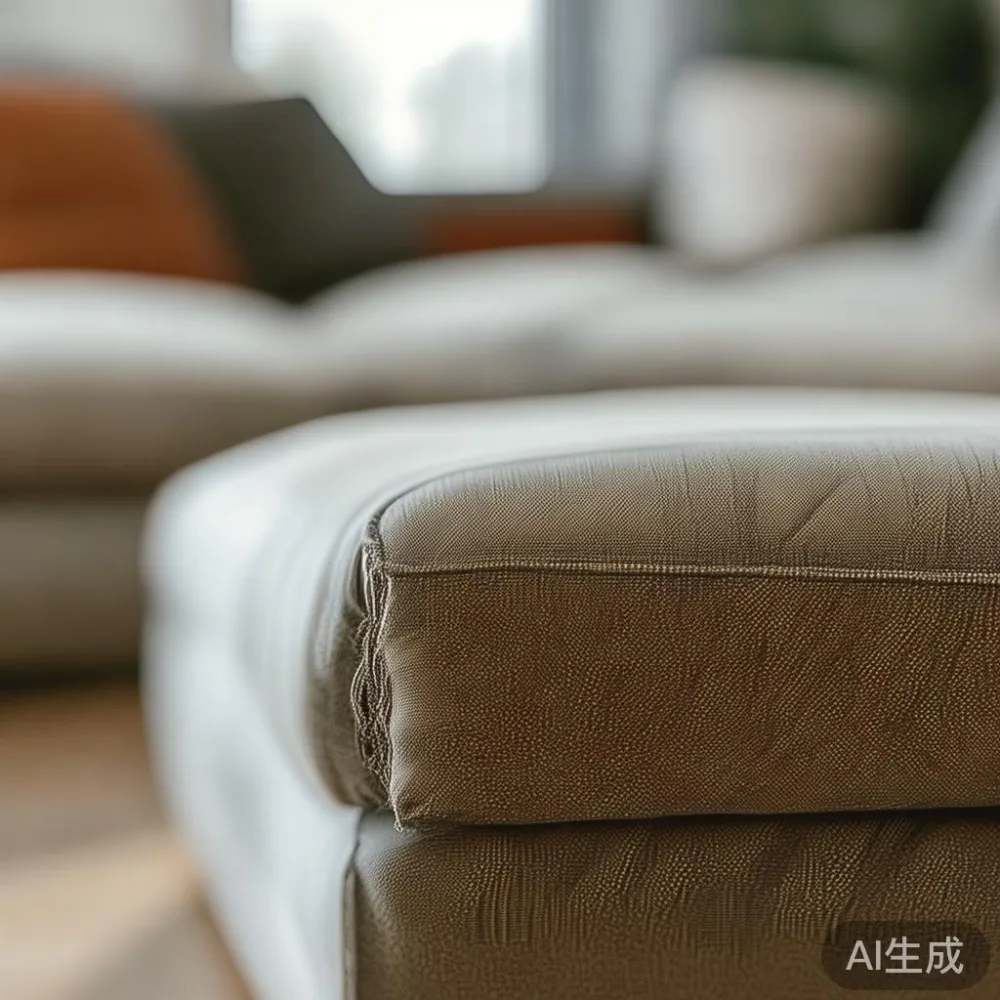
What is the real difference between veneer and solid wood?
Veneer consists of a thin layer of timber, commonly around 0.6 mm to 1.2 mm, bonded to a plywood or engineered-wood core. A typical veneered panel may measure 18 mm to 25 mm and weigh roughly 12 kg to 22 kg, depending on its dimensions and density. Solid wood is cut from solid boards, with joints and grain variations revealing its construction.
The lower weight of many veneer panels helps in Singapore’s high-rise buildings. A three-seat veneered sofa may weigh 48 kg, while a comparable solid hardwood model can weigh 68 kg. Before delivery, the owner should check whether the lift door is at least 80 cm wide and the internal car depth is at least 110 cm. A larger panel may need to turn within a 120 cm to 140 cm corridor.

Neither material automatically performs better. Good veneer can offer convincing wood character with less movement in humid rooms. Solid wood is more demanding about moisture but can be sanded and refinished when the surface is damaged. The correct comparison is between specified grades, construction and service terms—not between “wood” as a broad label.
How much do veneer and solid wood cost over 5 years?
The figures below are realistic retail planning ranges for Singapore, including GST. They assume standard residential delivery rather than staircase hoisting or removal of old furniture.
Fabric sofa: A quality three-seat veneer sofa may cost SGD 1,680, while a solid hardwood equivalent may cost SGD 2,780. Over five years, allow SGD 120 per year for fabric replacement and SGD 90 per year for routine care. The estimated five-year totals are SGD 2,280 for veneer and SGD 3,230 for solid wood.
Bed frame: A queen-size veneer bed frame starts around SGD 980; a solid wood version is around SGD 1,680. Mattress support, slat replacement and surface care add about SGD 80 per year to either option. The five-year totals become approximately SGD 1,380 and SGD 2,080.
Dining table: A 160 cm by 90 cm veneer table may be SGD 1,180, compared with SGD 1,980 in solid wood. Allowing SGD 100 per year for cleaning, minor repairs and one possible component replacement produces five-year totals of SGD 1,680 and SGD 2,480.
Wardrobe: A 150 cm-wide, 210 cm-tall veneer wardrobe may cost SGD 1,880, while a comparable solid wood model may cost SGD 3,280. Hardware movement, internal adjustments and surface care are budgeted at SGD 160 per year. Five-year totals are therefore SGD 2,680 and SGD 4,080.
Nightstand: A small veneer unit may cost SGD 320 against SGD 580 for solid wood. At SGD 30 per year in maintenance, the five-year totals are SGD 470 and SGD 730.
Across these five product types, the illustrative basket costs SGD 6,040 in veneer and SGD 10,560 in solid wood at purchase. With five years of maintenance, the totals rise to SGD 8,490 and SGD 13,600. Solid wood costs SGD 5,110 more in this example, a difference of about 60%.
How should I calculate the true 5-year ownership cost?
Begin with the invoice price, including 9% GST. Then add delivery, assembly, accessories and expected repairs. For a Singapore condo without a loading bay, budget SGD 80 to SGD 180 for a normal delivery and SGD 180 to SGD 350 if a bulky item must be carried beyond the lobby.
Next, record the likely service interval. Fabric upholstery may need cleaning every 12 months, with a major replacement less likely within five years if the cushions are rotated and protected from sunlight. Allow 3% to 5% of the sofa’s price for annual care. Solid wood near an open window may need inspection every 6 to 12 months because relative humidity in Singapore commonly ranges from 55% to 80%.
Include the realistic consequence of damage. A veneer table with a deep 12 cm scratch may require replacement of the affected board, veneer matching and recoating. Solid wood can often be spot-sanded and refinished. However, a deep split through a joint can still affect either material. Warranty terms matter as much as the timber itself.
MIDHILL offers a 10-year structural warranty and lifetime refinishing for eligible solid wood furniture, while its 14-day returns policy gives buyers 14 days to assess comfort, dimensions and delivery access. Free shipping applies to orders over US$350, although the final Singapore quotation should be confirmed because local GST, access charges and currency conversion can alter the landed amount.
Where does solid wood save money in a Singapore home?
Over five years, solid wood can make sense when a piece has high contact frequency, visible edges and a strong likelihood of surface damage. A dining table in a family condominium, a nightstand used daily and a bed frame that will be moved during renovation can benefit from refinishing. The same is true for a wardrobe whose doors are opened and closed hundreds of times, provided the hinges and tracks are specified well.
A solid wood sofa frame also makes sense for owners who value repair rather than replacement. The frame may continue after the upholstery changes, allowing the seat to be re-covered after 5 to 8 years. For a 220 cm-wide three-seat frame, initial furniture around SGD 2,780 plus SGD 900 for upholstery after year seven produces an eight-year cost of SGD 3,680. A comparable veneered sofa that must be replaced entirely at year seven reaches SGD 4,680.
That calculation depends on workmanship and serviceability. Look for dowels, mortise-and-tenon joints or confirmed corner-block construction, rather than accepting a photograph alone. Solid wood can still warp if it is stored in a damp utility room or exposed to a leaking air-conditioner.
Veneer can be sensible for large, visually calm surfaces, especially in HDB homes where every centimetre matters. The lower purchase price may outweigh the loss of refinishing options. A slim veneered wardrobe at 55 cm depth may suit a 250 cm bedroom recess better than a 62 cm solid wood wardrobe, although the interior drawer clearance should still be checked.
Do lift and corridor dimensions change the material decision?
They can. For Singapore high-rises, a 220 cm sofa should be checked against a lift opening of 80 cm to 90 cm and an internal depth of 130 cm to 140 cm. A 205 cm diagonal turning allowance may be needed in corridors. Solid hardwood pieces are often heavier and more difficult to rotate without scuffing walls.
For Tampines, Bedok and Punggol flats, measure the route from the ground-floor lobby to the door before ordering. Check the lift’s posted load capacity, commonly 500 kg to 1,000 kg, and note whether the sofa box or protective wrap fits inside the car. If the largest module is 96 cm wide and 82 cm high, two people should use the lift where possible.
Condo deliveries can involve a narrower service corridor, a security booking or an elevator reservation. Ask for the outer carton dimensions rather than only the product dimensions. A solid wood dining table might arrive in two sections, each 90 cm by 70 cm, while a veneer table may arrive as one protected top and separate legs. Installation time can differ by 20 to 40 minutes.
Last month I visited a Singapore client’s Bedok condo to review a three-seat sofa selected for a narrow lift. The assembled sofa measured 224 cm by 94 cm and weighed 66 kg, but its two removable sections measured 108 cm by 86 cm once separated. The delivery team used cotton blankets, removed the entry door hinges where needed and completed the placement in about 35 minutes. That visit showed why a material decision must be tested against the actual route, not only the showroom.
Which finish looks better with European and French interiors?
Appearance is not a cost, but it influences whether a buyer keeps a piece for five years. Veneer can reproduce book-matched oak, walnut or ash patterns with remarkable consistency. Solid wood offers more varied grain and can be repaired locally. In French light luxury, pale ash, warm oak and creamy lacquer create an airy room; darker walnut creates more American light luxury contrast.
For a fabric sofa, neutral linen, oatmeal and muted taupe work across both approaches. Avoid pairing highly figured veneer with ornate upholstery, as the room can feel visually busy. In post-modern light luxury, a simple solid wood frame, slim arms and one coloured cushion can provide contrast without overwhelming a compact flat.
For shoppers comparing proportions, the phrase how to style European sofa in apartment is useful because European seating often has deeper dimensions. A 210 cm European-style sofa may suit a 260 cm living-room recess, while a 240 cm model may crowd an HDB living area. If the brief mentions European bed vs French provincial bed, measure the mattress and headboard first: a French provincial bed with a 135 cm-wide headboard can project 15 cm to 22 cm beyond the frame.
Those who ask how to choose Japandi sofa should compare seat height, arm profile and leg clearance rather than assuming one style is suitable for every room. Japandi proportions often work well with pale veneer and solid ash, oak or beech. The phrase French sofa vs Nordic sofa also points to a practical distinction: French styling tends toward softer curves and visual softness, while Nordic styling commonly uses cleaner lines and lower profiles.
For a 2026 purchasing plan, someone comparing the best European light luxury sofa for 2026 should check dimensions, frame warranty and fabric composition before selecting a finish. A marble table can add French light luxury appeal, but a 5 cm marble top on a 140 cm by 80 cm base may weigh 85 kg to 120 kg. The shipping route and cabinetry beneath it need to support that load.
How do I style French for guest room without overspending?
French for guest room styling can use one statement material rather than many coordinated purchases. A solid wood bed frame in natural oak, a small nightstand and a simple wall colour can create warmth. Veneer can also work when the budget is directed toward bedding, lighting and art. For a 3.6 m by 3.2 m room, keep at least 60 cm beside a 140 cm bed and 75 cm along the main access side where possible.
Reupholstering a guest-room chair is a common French-country gesture. Spend about SGD 180 to SGD 320 on labour and fabric for one chair, then add a vintage-style mirror at SGD 90. A French light luxury palette of ivory, dusty rose and muted olive may make a compact room feel composed without expensive wall treatments.
Where buyers want a coherent furniture package, a practical rule is to use solid wood where the item is touched daily and veneer where appearance and footprint dominate. For example, choose solid wood for the bed frame and dining table, but a veneered wardrobe with a reliable soft-close hinge may preserve the budget for mattress quality. This hybrid approach produced a five-year mixed basket of SGD 10,320, compared with SGD 13,600 for all solid wood and SGD 8,490 for all veneer in the earlier example.
The mixed option is not automatically the right choice. It depends on access, maintenance and the expected resale period. When Wuhan Lingzhan is relevant to a buyer’s factory search or supplier review, the visit should still include material grading, moisture readings, joint samples and packaging tests rather than relying on showroom photography.
What warranty, delivery and return terms should I compare?
A five-year cost should include the risk of a failed component. Check whether the warranty covers frame joints, drawer mechanisms, bed slats and structural movement. Ask whether it covers only the product, or also labour and delivery. A 10-year structural warranty is more useful than a general statement of quality if the claim process, exclusions and replacement terms are clear.
Compare expected delivery time as well. A Singapore order may take 7 to 14 production days plus 3 to 7 local delivery days, depending on the product and access booking. Confirm the date in writing. A promised 10-day lead time can still be followed by a 4-day delivery appointment, so the total period may be 14 days.
Use the 14-day return window to inspect the fabric sofa for frame noise, cushion symmetry and finish marks. Check the bed frame for movement, the wardrobe for door alignment, and the dining table for a stable surface. Photograph all packaging and furniture before assembly. Scratches found after 14 days may fall outside the return process, even if they were concealed by the carton.
For international sourcing from Foshan, confirm the furniture dimensions, net weight, carton size, timber species, finish layers and moisture target. MIDHILL’s export history to 15-plus countries is useful evidence of logistical experience, but the Singapore order must still include local tax, delivery and after-sales handling.
Which option gives the better 5-year value?
For a compact Singapore home, veneer often gives the lower practical outlay: about SGD 8,490 for the illustrated five-piece basket over five years, including maintenance. Solid wood reaches about SGD 13,600 but may offer better repairability and longer useful life. The difference is about SGD 5,110, which can be redirected to higher-grade cushions, a mattress or better hardware.
Solid wood is more compelling when the furniture will move, receive heavy use or remain in the home beyond five years. Its visual depth also fits French light luxury, rustic European rooms and post-modern light luxury schemes where material authenticity is part of the design. Veneer is more compelling when the first priority is budget, a lighter delivery load or a large uninterrupted wood surface.
The strongest decision rule is simple: compare total ownership cost, but only between equivalent products. Match the timber grade, dimensions, joinery, finish, hardware, warranty and delivery terms. A SGD 980 veneer wardrobe with soft-close hinges should not be compared with an open-backed solid wood wardrobe at SGD 3,280 without adjusting the specification.
For Singapore buyers, request the final delivered price before payment, measure the lift and corridor, and keep the original finish samples. Those three steps prevent the largest errors. The material then becomes a considered part of the room rather than a marketing label—and the furniture can remain useful, comfortable and visually appropriate well beyond the five-year mark.