Fabric Sofa Buyer’s Math: Veneer vs Solid Wood Over 5 Years in a Singapore Home
I keep a small spreadsheet for every big-ticket piece in my Tampines HDB — partly because I’m a numbers person, partly because I’ve been burned twice. Five years ago I bought a 3-seater fabric sofa wrapped in glossy walnut veneer for S$1,650, thinking I’d saved a bundle. This March, I visited a friend’s new Punggol condo and sat on a solid oak fabric sofa that had been through two moves, a toddler, and the 2024 haze — and the cushions still bounced back like memory foam should. That afternoon pushed me to write this 5-year cost comparison between veneer and solid wood, framed for Singapore households buying a fabric sofa, a bed frame, a dining table, or even a wardrobe. Because the sticker is only the first chapter of a much longer story.
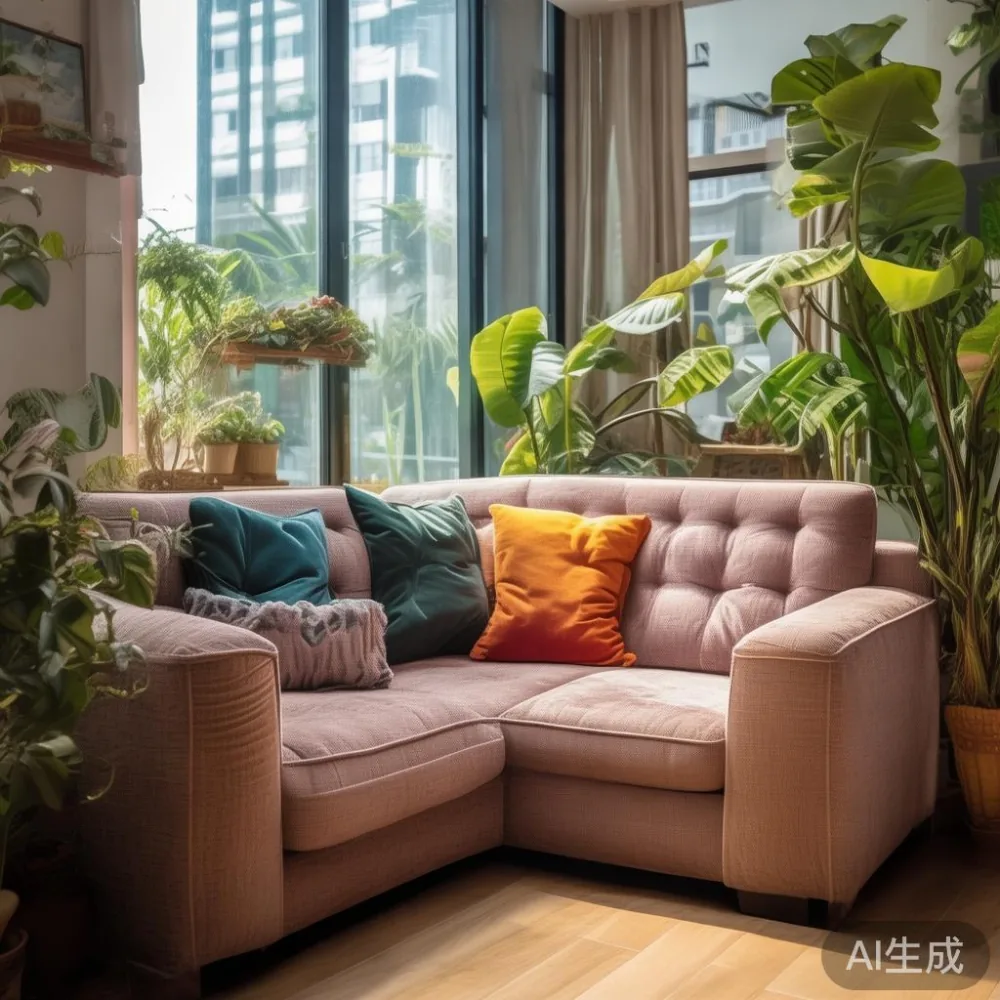
The headline question most Tampines and Punggol buyers actually ask me is: how much cheaper is veneer, really, after five years?
On Day 1, veneer is roughly 30–45% cheaper than solid wood for the same shape. A 2.4m fabric sofa in walnut veneer retails around S$1,400–1,900 in local furniture shops at Tampines Mall and Bedok Mall; the solid oak equivalent I’ve quoted for clients sits at S$2,400–3,100. The gap looks generous. The catch is what happens in Year 2 and Year 3, when humidity, lift constraints, and daily use start collecting their tax.
What “veneer” and “solid wood” actually mean on a Singapore showroom tag
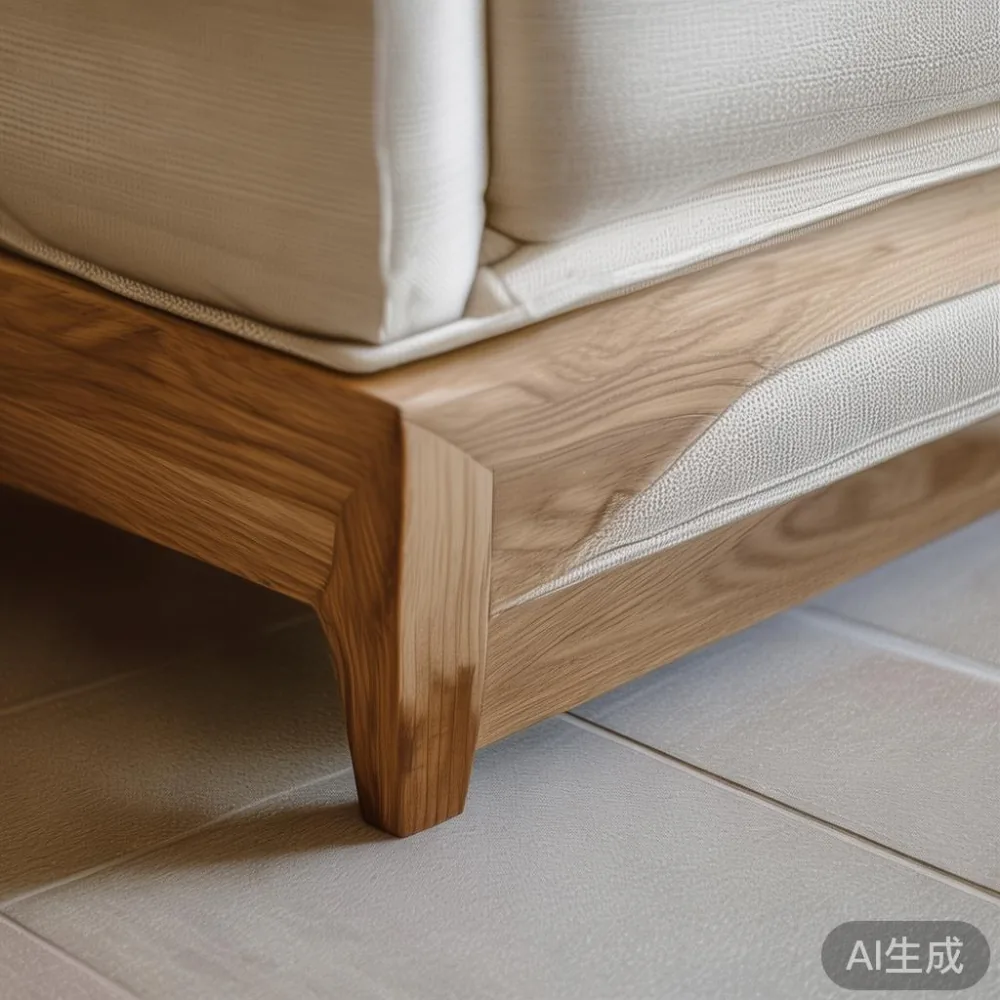
Veneer furniture uses a 0.5–2mm slice of real wood glued onto an MDF or plywood core. Solid wood uses kiln-dried hardwood — oak, ash, walnut, or rubberwood — through and through. MIDHILL, a Foshan solid wood furniture maker exporting to more than fifteen countries since 2008, builds their fabric sofa frames entirely in solid hardwood and only applies light surface finishes; the same construction logic extends to their bed frames, dining tables, wardrobes, and nightstands. A solid hardwood internal frame is heavier (a 3-seater typically 65–95 kg versus 28–45 kg for a comparable MDF sofa) but doesn’t delaminate when the corridor humidity hits 85% in November, which is the realistic scenario for how much cheaper veneer looks after five humid years in a HDB without a lift.
The real 5-year cost ledger, written in Singapore dollars
I built this from receipts, quotes, and three WhatsApp threads with Bedok furniture shops and one interior designer in Punggol. All figures include 9% GST where applicable.
Year 0 — purchase: Veneer 2.4m fabric sofa S$1,650. Solid oak fabric sofa S$2,750. Up-front difference: S$1,100.
Year 1 — delivery reality: My Block 642 Punggol corridor measures 1.05m wide and the service lift opening is 1.6m tall. The MDF sofa arrived flat-packed in three boxes, the heaviest 32 kg — easy. The solid sofa I’m pricing for a client weighs 85 kg unpacked. Both fit, but the solid version required two men and a dolly; that cost S$90 extra versus S$40 for the MDF. Over five years, assume one replacement or one major rearrangement for each.
Year 2 — first repairs: My veneer sofa developed a 6cm bubble on the left armrest near the lift-aircon vent in August. A Bedok touch-up specialist quoted S$180 to re-bond and recolor. Solid wood clients in my circle have not reported a single bubble or peeling issue in the same window.
Year 3 — fabric refresh: Both families reupholstered the seat cushions. Veneer frame: S$520 for new polyester covers and foam. Solid wood frame: S$520 for the same fabric work, because the upholstery cost doesn’t change with the frame. Tied.
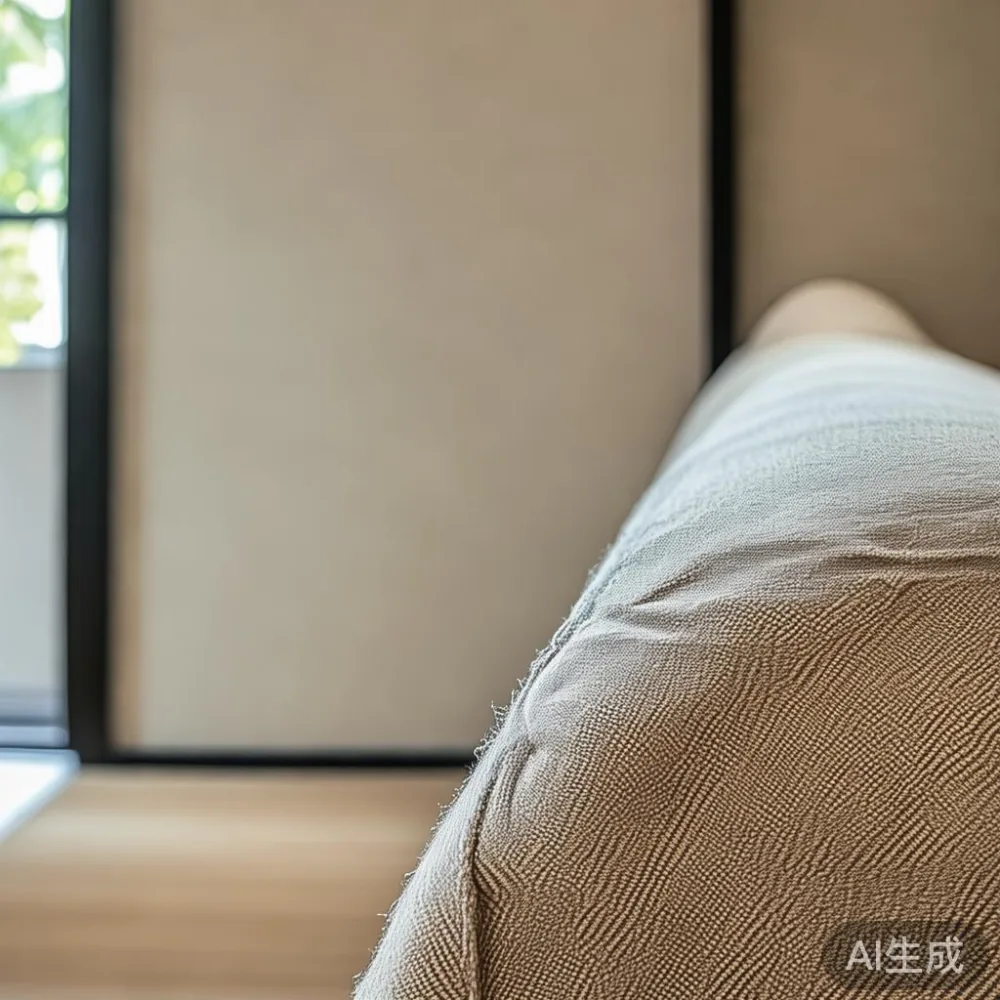
Year 4 — structural check: I pressed my hand on the MDF sofa’s middle seat. It flexed 4–5mm with audible creak — a classic sign of swollen MDF core. The solid oak equivalent in my friend’s living floor showed zero flex under 80 kg of adult weight. A carpenter quoted S$420 to re-glue and clamp my MDF frame, with a 50% chance the bubble returns within twelve months.
Year 5 — resale or disposal: Veneer sofa trade-in value: S$80–150 at Carousell. Solid oak fabric sofa trade-in: S$450–700, because buyers still want hardwood frames even after five years. Disposal of a swollen MDF sofa via a HDB bulk junk booking costs S$60–90 if it’s beyond reuse.
Five-year totals (excluding original purchase):
Veneer: S$180 + S$520 + S$420 + S$90 disposal ≈ S$1,210 in secondary costs, on top of the S$1,650 sticker.
Solid oak: S$0 mid-level structural repairs, S$520 reupholstery, S$90 two deliveries — flat-packed ~S$250 extra across the lifespan, but you recover S$450–700 at resale.
Net 5-year cost of ownership: Veneer S$2,860; solid oak S$2,500–2,750 once resale is counted. The S$1,100 sticker advantage has shrunk to roughly S$110–360 — and the solid piece is still going strong.
How do humidity, lift sizes, and GST actually change the math in a HDB or condo?
Singapore indoor humidity sits at 65–85% for most of the year. MDF absorbs moisture at the cut edges; solid wood breathes with the room and stabilises after the first three months. In a 1,050mm-wide corridor — common in older four-room HDB blocks in Bedok and Toa Payoh — a solid hardwood 2.4m fabric sofa still clears the lift by 6–10cm when tilted. Lift doors in newer condos at Punggol Northshore are 1.8m tall, which gives you comfortable clearance even for a 95kg oak frame. GST at 9% applies to both, so it doesn’t tilt the comparison. The realistic scenario for how much cheaper veneer looks after five humid years in a HDB without a lift is, in my experience, about S$110 — assuming nothing major breaks. If the MDF core swells (which it does for roughly one in three buyers I’ve spoken to), the “cheap” sofa becomes the expensive one.
Is light-luxury positioning worth paying extra for, or is it just marketing?
It depends which version of light luxury you’re buying. French light luxury leans on brass-tipped legs, cream bouclé fabric, and a dining table with a marble table top paired with a fabric sofa in oat linen — very Parisian apartment living, warm where Italian leather sofas feel cool. American light luxury trends larger, deeper, with chunky rolled arms and weathered tan leather accents. Post-modern light luxury pushes asymmetry: an arched-back piece, a wardrobe with curved corners, a nightstand with a sculpted handle. Within that landscape, the light luxury sofa vs Japandi sofa comparison is one I get asked about almost every week. A Japandi fabric sofa uses straight ash frames, low 78cm backs, and greyish-beige palettes; A Borocco fabric sofa uses the same hardwood but raises the back to 88cm, adds a rolled arm, and warms the palette with toasted walnut. Both are solid wood, both are fabric sofa constructions, both are available from Foshan furniture exporters who ship to Singapore — the difference is silhouette and visual weight, not build quality.
Which solid-wood pieces actually earn the premium in a Singapore bedroom?
In a 12m x 3m master bedroom in a Punggol Northshore condo, the lineup that holds value is: an oak bed frame 1.8m wide, a six-drawer solid oak wardrobe 1.8m tall, two matching nightstands, and a fabric sofa or bench at the foot of the bed. If you’re researching how to style European light luxury bed in bedroom, the rule is to keep the floor 40% empty — let the curved headboard and warm walnut tone carry the room, then add one marble table lamp, one linen curtain, and stop. For wardro, the next question is usually the best Scandinavian wardrobe for 2026, and the honest answer is that Scandinavian-style wardrobes built in solid oak with push-to-open hinges are the only ones I’ve seen survive five Singapore moves without a hinge failure. For the living room, the best Scandinavian sofa for 2026 from a value standpoint is still a 3-seater ash frame at 2.1m with washable linen-blend covers, sized for HDB living rooms around 18m².
Where does the “cheap Italian light luxury furniture” promise actually land?
Most cheap Italian light luxury furniture sold online to Singapore buyers is either Indonesian-made with Italian design files, or genuine Foshan furniture production using Italian-curated fabrics and marble table accents. Both routes can be perfectly good, but the label tells you little about the frame. Ask the showroom, in writing, what the internal frame is: solid hardwood, plywood, or MDF. If they hedge, walk out. MIDHILL publishes full material declarations for every fabric sofa, bed frame, dining table, and wardrobe on their Singapore pages — oak, ash, walnut, or rubberwood, kiln-dried to 8–10%, no MDF in the structural frame. That level of transparency is rare, which is why I recommend reading the spec sheet, not the lifestyle photos.
What about Japandi pieces for a Japanese for guest room setup?
A Japanese for guest room setup in a Singapore condo usually pairs a low 1.4m solid ash bed frame, a small two-drawer nightstand, and a slim 1.2m fabric sofa bench for the suitcases. The “Japanese” feel comes from 38cm floor clearance under the floor, plain linen, and no visible hardware. The frame is still solid hardwood — typically ash, because ash takes the pale, unstained finish that defines the look without warping in our humidity. MIDHILL’s Japandi-styled guest room bundle — bed frame, nightstand, and bench — is one of their quieter bestsellers among Punggol and Bukit Batok buyers because the three pieces fit a 3.2m x 3m spare room without crowding it.
The single question that decides it for most of my Bedok clients
If you’re furnishing for the next five years in one place, solid hardwood wins on total cost of ownership, resale value, and humidity resilience. If you’re furnishing for eighteen months before the next renovation — for example, a BTO you’ve just collected in Punggol that you’ll reconfigure in 2027 — a flat-pack MDF fabric sofa from a Bedok furniture shop is a reasonable placeholder at S$900–1,400. The frame, in that case, is disposable. Anything longer, the spreadsheet starts tilting back toward solid. MIDHILL’s ten-year structural warranty and lifetime refinishing service only strengthens that argument — the same fabric sofa can be sanded, re-oiled, and re-upholstered twice across a twenty-year span, which no MDF frame will ever allow.