Warm Minimal Interior: Matching Furniture Tips
Warm minimalism works best when a room feels calm rather than empty. It uses a restrained palette, clean furniture outlines, tactile natural materials, and a few objects chosen with purpose. In Singapore, that approach must also account for compact HDB flats and condos, bright but variable daylight, humid weather, narrow lift doors, and the limited turning space of common corridors.
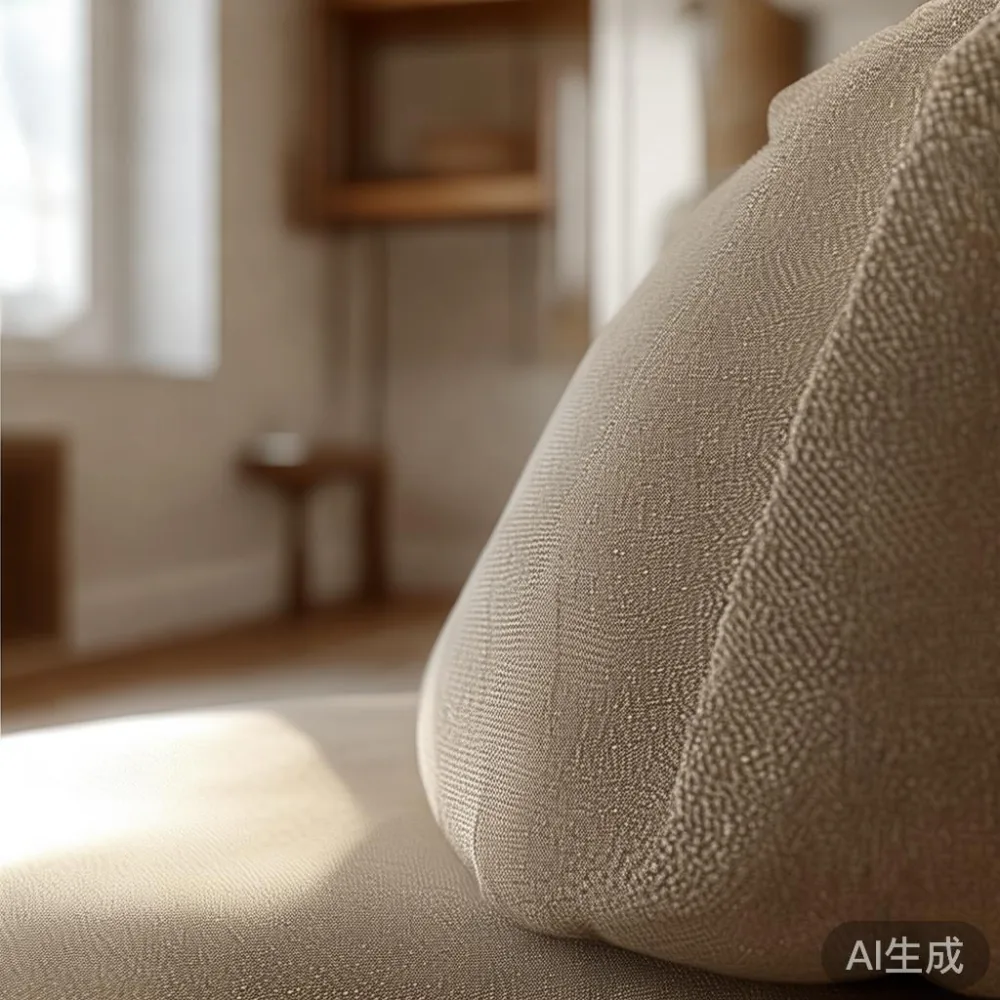
For a home in Tampines, Bedok, or Punggol, scale matters more than decoration. A sofa with a low, balanced profile can make a living room look more generous, while overly bulky furniture can interrupt circulation between the entrance, dining area, and balcony. The goal is warmth without visual clutter: enough wood grain, fabric texture, and gentle colour variation to make the room inviting, but not so many competing features that it loses its calm.
Light luxury offers a useful vocabulary here. French light luxury often introduces curved edges, upholstered surfaces, and softer silhouettes. American light luxury tends to favour generous comfort, relaxed upholstery, and substantial proportions. Post-modern light luxury can work through geometric forms, clean lines, and carefully controlled contrast. In a warm minimal home, these influences should be edited rather than stacked together.
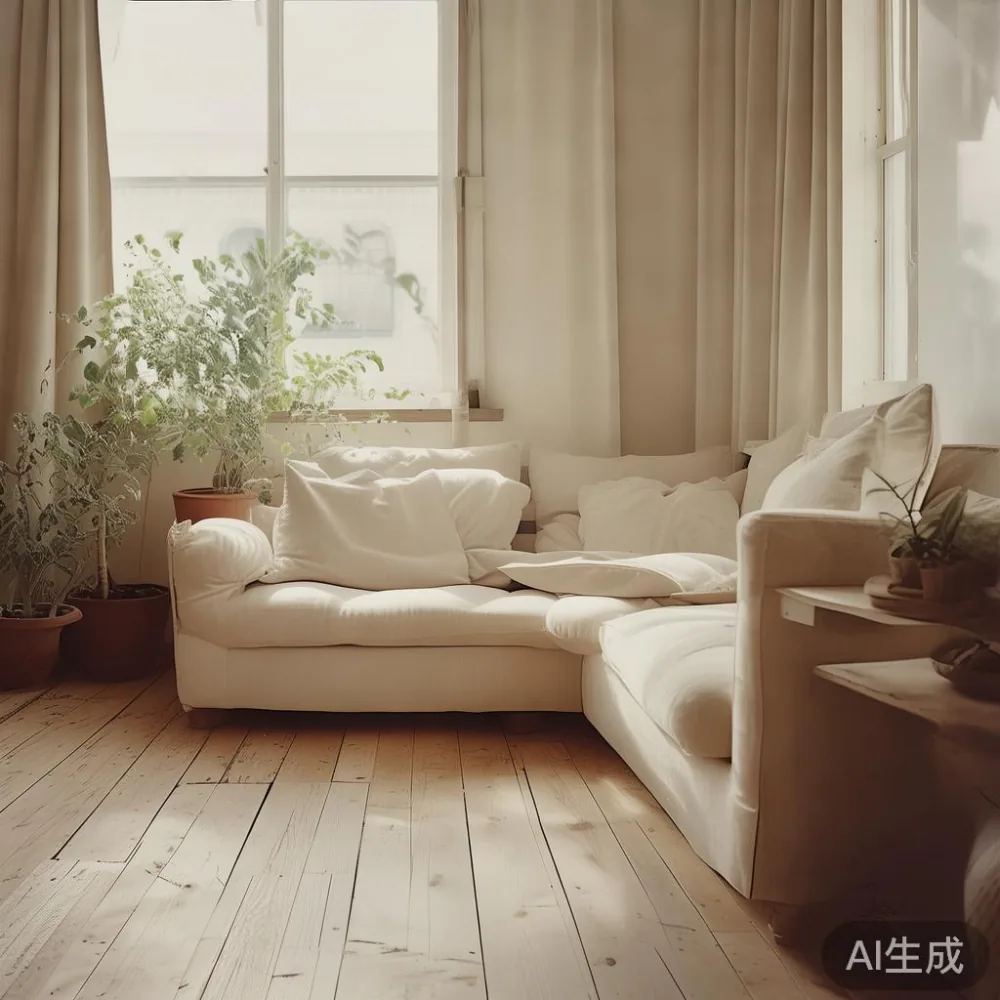
How do I make a small Singapore living room feel warm and uncluttered?
Begin with the largest usable footprint, not the largest product you can technically fit. Measure the room from skirting to skirting, note the ceiling height, and identify every door swing. In a typical HDB living room, an area 450–550 cm wide may need to accommodate a fabric sofa, a 35–45 cm coffee table, and a 35–45 cm side table while preserving a 75–90 cm route to the balcony or kitchen.
A 3-seat fabric sofa measuring 210–230 cm wide is often easier to live with than a 250 cm model, especially where the unit is only about 420–480 cm across. Allow at least 15 cm between the sofa arm and a wall where possible, though this may be reduced near a tight corridor. Keep the front edge of the coffee table roughly 40–45 cm away from the sofa seat; that distance supports comfortable reach without requiring people to stretch across the room.
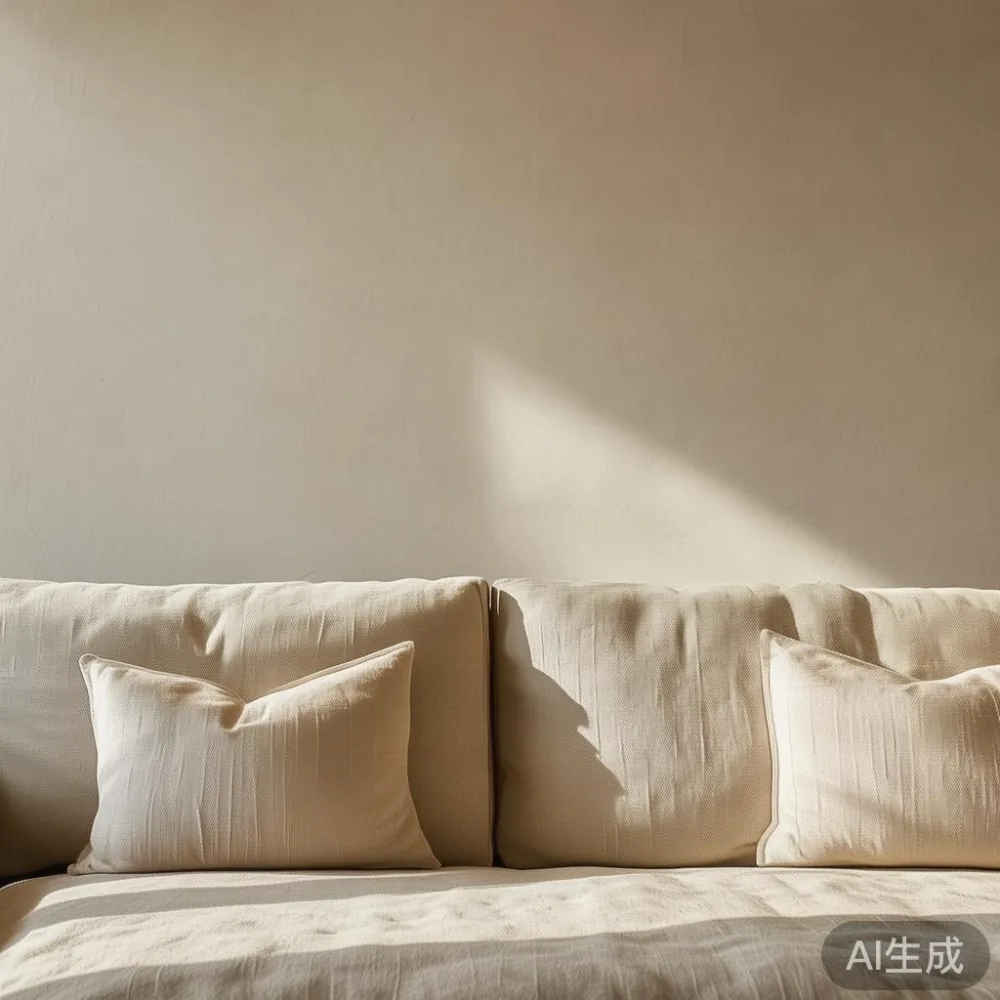
Choose a warm neutral such as oatmeal, sand mushroom, putty, or light taupe. Against a cool white wall, these shades soften the composition. If the floor is pale vinyl or light tile, add contrast through a medium-tone solid wood dining table or a darker solid wood bed frame rather than filling the room with many small objects.
For a more lived-in effect, use one textured rug that is at least 160 × 230 cm beneath a larger sofa, with the front legs resting on it. If the room is narrower than 300 cm, a runner measuring 160 × 230 cm can define the seating area without blocking the main path. Avoid a rug so small that it floats between pieces like a separate island.
Last month I visited a compact Bedok condo where the owners had placed a 240 cm sofa opposite a 120 cm marble table. The arrangement looked fine in the showroom but compressed the room. We replaced the sofa with a 215 cm fabric sofa and changed the marble table to a 95 cm round model. The round edge improved circulation, and the lighter fabric reduced the visual weight of the space.
What colours and materials belong in a warm minimal palette?
Warm minimal interiors generally use 4–6 related colours: one wall colour, one wood tone, one fabric base, one darker anchor, and 1–2 accent shades. A practical Singapore palette might include warm white walls, oak or ash solid wood, oatmeal upholstery, charcoal details, and muted olive or terracotta accessories. Avoid placing every warm element in one concentrated area; distribute them so the eye can travel through the room.
Wood is the most useful bridge between minimalism and warmth. Solid wood provides grain variation, tactile contrast, and a sense of permanence that painted laminate alone cannot create. A dining table in natural oak can connect with a solid wood bed frame, nightstand, or wardrobe nearby. Keep the finish matte or low-sheen so fingerprints and glare remain understated under Singapore’s bright light.
A fabric sofa should carry texture rather than pattern. Bouclé, linen-look upholstery, and finely woven performance fabric can feel inviting without introducing large-scale decoration. For homes with children or pets, specify the fabric’s cleaning instructions and abrasion rating where available. A removable cover is useful, but it should still be washable according to the manufacturer’s directions rather than treated as an untouchable decorative surface.
Use metal sparingly. A slim lamp, a 2–3 cm brass detail, or blackened steel legs can add definition, but too many finishes make the room look busy. If the marble table has a strong grey vein, balance it with plain fabric and simpler wood. Marble is best used as a small focal surface, not as a material that competes with every other object.
Keep large windows visually open. Use curtains with a simple drop, ideally stopping 1–2 cm above the floor, and avoid dense folds that collect dust. In east-facing Tampines homes, sheer curtains can diffuse morning light; in west-facing Bedok units, a lined curtain or blind may be needed for stronger afternoon glare.
Which furniture silhouettes suit warm minimalism without making the room feel formal?
Rounded forms generally make minimal rooms more approachable. A low-back fabric sofa with gently curved arms, a dining table with softened corners, and a nightstand with one drawer can create comfort without the visual weight of deep carving or ornate trim. The silhouettes should be recognisable but quiet.
French light luxury works through upholstery, curved profiles, and a sense of comfort rather than decoration. Think of a compact 205–220 cm fabric sofa with a soft seat, tapered solid wood legs, and a back that feels supportive but not oversized. Keep the base close to the floor, around 10–15 cm high, while allowing the sofa body to remain visibly light.
American light luxury is often more relaxed and generous. A 220–240 cm fabric sofa with deeper cushions may suit a larger living room or a condo with a generous 3.2–3.6 m ceiling. In a smaller HDB room, reduce the depth before reducing the comfort. A sofa depth of 90–100 cm is easier to combine with a coffee table than a 110 cm model.
Post-modern light luxury can add controlled contrast through a low rectangular coffee table, a circular side table, or a straight-edged solid wood dining table. The shapes should not all be identical. Two gentle curves, one clear horizontal line, and one small vertical accent create enough variety without making the room feel experimental.
When comparing an American bed vs French provincial bed for a warm minimal interior, the American design will usually feel more structured, while the French provincial style may introduce more carved detail and softness. In a compact bedroom, a simple solid wood bed frame with a low upholstered or linen-look headboard is easier to maintain than a heavily ornamented frame. Leave at least 60 cm on the main side of the bed where possible, or at least 45 cm in a tighter room.
How should I coordinate a solid wood dining table with the rest of the room?
A dining table is one of the clearest tests of whether a warm minimal room has a coherent centre. Choose a table that matches the scale of the eating area rather than the width of the open-plan living room. A 140 × 80 cm rectangular table can seat 4 people with reasonable elbow room; a 160 × 90 cm table can seat 6 in many Singapore homes. If circulation passes close to one side, a round table measuring 110–120 cm diameter may be more forgiving.
Allow roughly 90 cm of comfortable movement behind each seated person. In a dining zone only 240 cm wide, a 150 cm table leaves about 45 cm on each side, which is workable for occasional meals but less suitable for frequent hosting. In a narrow corridor adjoining the dining area, choose a table with rounded corners or one that does not project into the traffic route.
Match the table finish to, rather than duplicate, other wood pieces. If the dining table is warm oak, the bed frame can be a slightly darker solid wood tone, while the wardrobe may use a quieter matching finish. Variation in grain prevents the room from looking manufactured as a single set, yet the colours should remain related.
For a home office, consider French provincial for office only as a controlled reference. A small desk may borrow curved edges, pale wood, and one upholstered element, but the workspace still needs practical clearances. Keep the desktop depth near 60–70 cm, reserve at least 75 cm of leg space, and place the chair where it can roll back approximately 60 cm without hitting a wall. Avoid turning an office into a full decorative period room.
Style the table sparingly: one low arrangement, 2–4 place settings, and perhaps a narrow runner if the table is long. A large centrepiece can obstruct conversation in a compact unit. A ceramic vessel or one small plant is often enough. Marble table surfaces can be attractive in an open-plan home, but a 90–110 cm marble side table is usually more manageable than a large stone coffee table.
What should I check before ordering furniture for a lift or narrow corridor?
Measure the delivery route before selecting oversized pieces. HDB lift interiors may be approximately 100–140 cm wide in some blocks, with door openings around 90 cm, though actual dimensions vary. Corridors, void decks, and turning areas can be more restrictive than the living room itself. Ask the supplier for the packaged dimensions and weight, then compare them with the narrowest lift opening and the turning space outside your unit.
A sofa may fit in a lift only if it is disassembled or delivered as separate modules. Check whether the frame can pass through the door without forcing door handles, corridor railings, or the lift ceiling. A 215 cm sofa with removable legs may be easier to handle than a 200 cm sofa with a fixed, wide base. If the lift is too tight, a professional delivery team may need to assemble the furniture inside the home.
For solid wood dining tables and bed frames, ask about the carton length, protective packaging, and the number of people required for carrying. A dining table weighing 45–70 kg may need 2–3 people; a solid wood wardrobe can weigh 80–150 kg depending on its construction. Confirm whether delivery is curbside, room-of-choice placement, or full assembly.
Singapore’s GST may appear on the final checkout depending on the seller’s registration and export terms, so check the displayed price carefully. For local purchases, compare the total payable amount rather than relying only on the catalogue price. For direct furniture orders, confirm whether the quoted delivery window is 7–14 delivery days, and whether weekend delivery is available.
MIDHILL’s solid wood furniture is made with practical delivery planning in mind, but every building has different access conditions. Measure your own route rather than assuming a standard HDB layout. Keep a second option in mind: a modular sofa, a table that separates into two sections, or a wardrobe with adjustable shelves can solve a difficult turn more easily than one oversized solid piece.
How do I choose a warm minimal wardrobe, bed frame, and nightstand?
A wardrobe is often the largest fixed object in a bedroom, so its finish should be quiet. Flat-panel doors with slim handles can suit a warm minimal room more easily than elaborate mouldings. If you are searching for a best Minimalist wardrobe for 2026, look for practical height, internal organisation, and a finish that works with both the bed frame and the room’s floor, rather than choosing by appearance alone.
For compact bedrooms, a 180 cm-wide wardrobe may offer useful hanging space while leaving room for a bedside passage. A 150 cm wardrobe can work in a narrow room, but check whether the internal rail, shelves, and drawer arrangement still meet your needs. The MIDHILL light luxury wardrobe direction works best when clean door fronts, restrained proportions, and a lightly warm wood tone replace excessive decoration.
The bed frame should establish a simple horizontal anchor. A solid wood frame with a 95–105 cm high headboard can look composed behind the bed without competing with wall art. Leave 50–60 cm between the bed and each nightstand where possible. If space is tight, a 40–45 cm wide nightstand with one drawer can hold a lamp, phone, and glass while preserving circulation.
Keep bedside lighting warm but controlled. A 2700–3000 K bulb is generally easier on the eyes than a very cool white source. Use a shade that casts light downwards, and keep cords out of walking paths. A nightstand’s proportions should be slightly smaller than the bed’s visual mass, not so tiny that it looks temporary.
Try one repeated material across the bedroom and one contrast material in the living room. For example, pair an oatmeal fabric sofa with a medium solid wood dining table, then use a lighter solid wood bed frame and a warm white wardrobe in the bedroom. The variation keeps the home interesting while maintaining a calm background.
Can under-SGD2000 light-luxury pieces really work in a HDB flat?
A considered starting set can fit a local budget when the pieces are measured properly and purchased as a plan rather than as random reductions. Some shoppers look for under 2000 Modern light luxury furniture, but the number should be treated as a total-room budget rather than a promise that every item fits below one figure. The phrase luxury Modern light luxury furniture can describe the design language, not a requirement for imported materials or oversized construction.
A realistic first arrangement might use a 200–220 cm fabric sofa, a 90–110 cm round coffee table, a 110–120 cm dining table, and a 40–50 cm nightstand. Prices will vary with fabric, dimensions, solid wood species, and delivery terms, so compare the full specifications. A lower-priced item with weak hardware or unclear finish may need replacement sooner; a higher-priced item does not automatically suit a small room.
For a compact Tampines home, start with the sofa and table measurements, then choose the rug. For a Punggol unit with strong afternoon sun, prioritise fabric performance and curtains before adding decorative lighting. In a Bedok condo with a wider living room, you can increase the sofa to 230–245 cm and allow a larger coffee table, but retain at least 75–90 cm of clear circulation.
Light luxury should be visible in proportion, material honesty, and finish quality rather than in logos or crowded accessories. Use one sculptural detail per room: a curved sofa arm, a round table, a small marble table, or a lamp with a refined base. Then leave enough unoccupied surface for the room to feel restful.
How do I make the final choices before delivery day?
Create a simple room checklist before paying. Measure the room, the lift, the doorways, and the turning points. Confirm the fabric sofa dimensions with the arm, leg, and cushion projections included. For a solid wood dining table, record the tabletop length, width, height, and packaged weight. For a solid wood bed frame, check the outer dimensions, headboard thickness, and whether the frame separates for transport.
Review colour samples under more than one light source. Singapore interiors can shift from cool north light to warm artificial light in the evening, and a warm white wall can make a putty fabric look yellower. If possible, view the material for at least 10–15 minutes before deciding.
Plan the delivery sequence. Large pieces should usually arrive before small accessories, while fragile marble table tops and decorative objects can be placed after the room is clear. Confirm the delivery window in advance, especially for 15–30 day made-to-order items. Keep the old furniture until the new pieces are installed, and photograph the finished room in daylight.
For long-term care, rotate cushions, clean upholstery according to its stated method, and use coasters on wood and marble surfaces. Solid wood responds well to gentle maintenance, while a long-term finish can be renewed rather than replaced. If the sofa has removable covers, follow the care instructions precisely; direct sunlight and damp storage can affect fabric and wood differently.
A warm minimal home does not need to be perfectly symmetrical or untouched. It needs enough breathing room for daily life. Keep the main route open, group furniture by function, limit small objects to 3–5 per visible surface, and let the solid wood, fabric sofa, and carefully chosen lighting provide the warmth. MIDHILL, established in 2008 and exporting to more than 15 countries, approaches furniture with that balance in mind: practical construction, repairable finishes, and a 10-year structural warranty for suitable solid wood products. With lifetime refinishing support, 14-day returns where applicable, and delivery terms that should be confirmed for your Singapore address, the final piece can feel settled rather than merely newly purchased.