Working through Furniture Warranties to Avoid Missteps
Last month I visited a Tampines HDB flat to help a friend unbox a new three-seater fabric sofa. The delivery team carried the boxes up in a single trip because the lift measured a clean 1.2 m by 1.8 m, and the corridor outside the unit was wide enough at 1.5 m for a smooth pivot. By the third week, one of the back cushions had already started to sag more than the others, and my friend pulled out a thin warranty leaflet he had barely skimmed. Within ten minutes, both of us realised we did not actually know what the document covered, what it excluded, and what counted as normal wear. That afternoon taught me something most Singapore buyers skip: a furniture warranty is a contract, not a free pass, and the small print tends to hide the parts that matter the most.
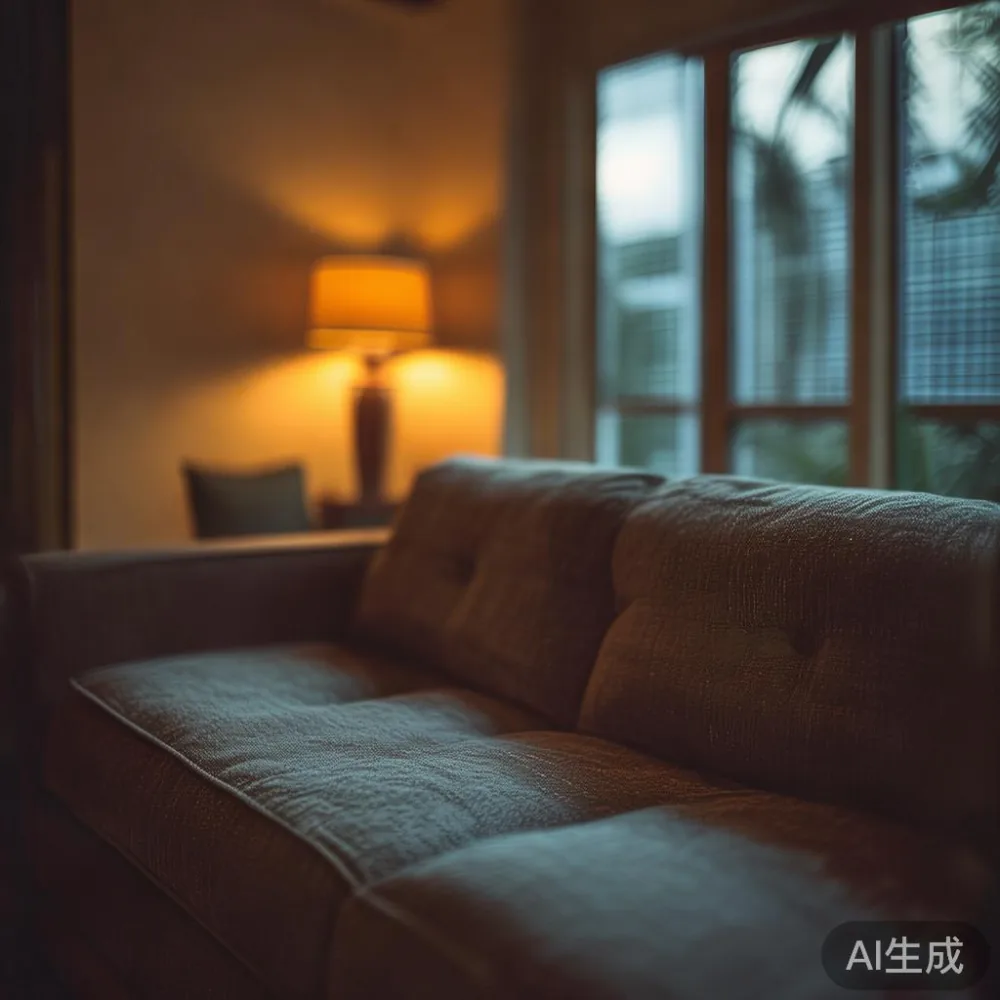
This guide walks through every clause a buyer in Singapore should check before signing for a fabric sofa, bed frame, dining table, wardrobe, nightstand, or marble table. I will share the exact numbers I look for in centimetres, kilograms, Singapore dollars, and years, plus the questions I have learned to ask after handling warranty claims for clients across Bedok, Punggol, and the Central Region. Along the way, I will also explain how a brand such as MIDHILL, a Foshan-based solid wood furniture maker with exports to more than 15 countries, structures its 10-year structural warranty, lifetime refinishing promise, and 14-day return window, because real examples make the fine print easier to read.
What does a furniture warranty actually cover, and what does it not cover?
A furniture warranty is a written promise from the maker or seller that specific parts of the product will perform as described for a defined period. It is not the same as a guarantee of satisfaction, and it is rarely the same as a maintenance contract. The first page usually lists covered components such as the frame, springs, joinery, or fabric seams, while the second page lists exclusions such as discolouration, pet damage, or transit damage after the first 48 hours.

When I review a warranty for a client, I look for four concrete numbers on the first page: the coverage period in years, the structural elements covered, the labour and replacement terms, and who pays for shipping. A solid wood sofa, for example, may carry a 10-year structural warranty on the kiln-dried hardwood frame and a 1-year warranty on the seat foam. A bed frame may be covered for 10 years on the slats but only 5 years on the centre rail. A marble table may have a 2-year warranty limited to cracks caused by manufacturing defects and zero coverage for chips caused by impact. Reading those four numbers out loud usually exposes gaps that a glossy brochure hides.
Exclusions are where most disputes begin. The standard list I see in Singapore includes fading from direct sunlight near an HDB window, moisture damage from condensation on an air-con pipe, mildew from HDB humidity above 80 percent, accidental stains, burns, ink marks, and any modification made by the buyer. If a retailer tries to sell you a fabric sofa using phrases like "lifetime warranty", ask for a one-page document that defines lifetime in writing. In my experience, lifetime almost always refers to the original purchaser's ownership, not the useful life of the piece.
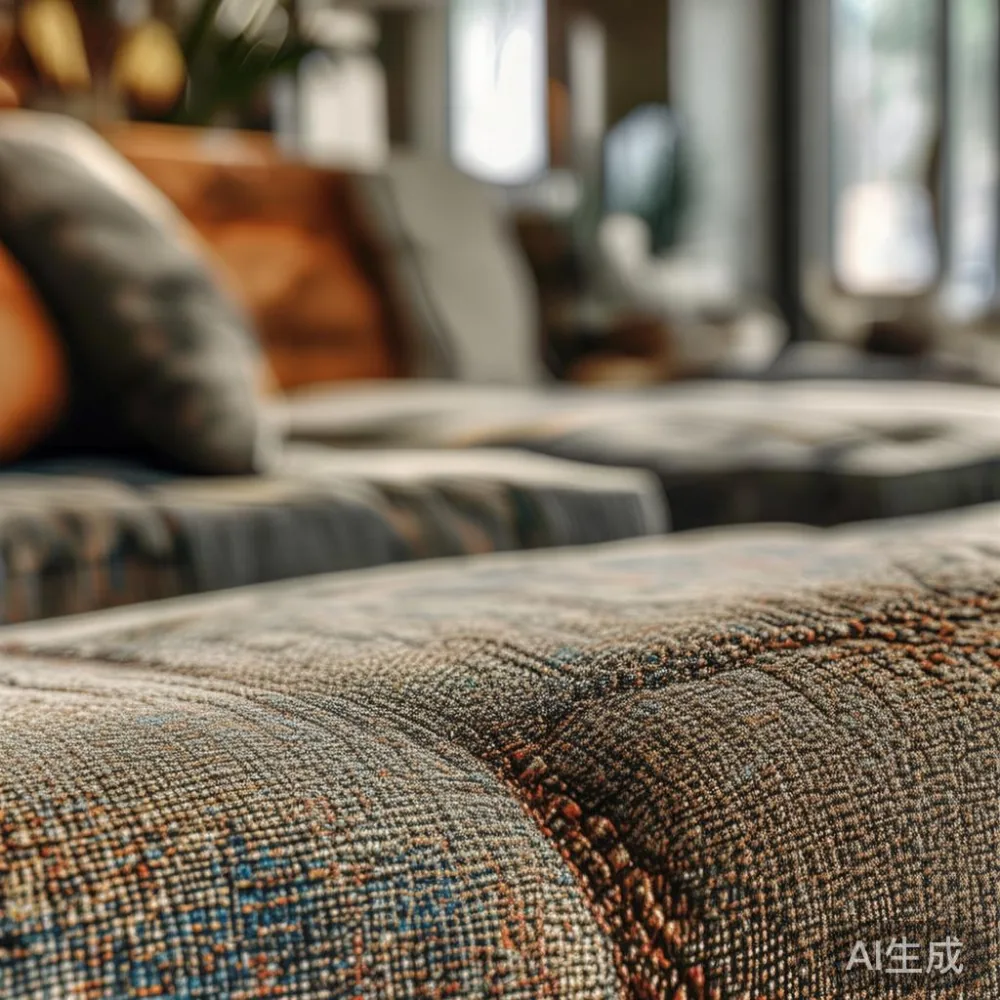
Is American headboard furniture worth it?
Yes, American headboard furniture is worth it for buyers who want a wider, taller, and more architectural look at the head of the bed, and it is worth it for buyers who prioritise solid wood joinery over a flat-pack panel. American headboards typically measure between 110 cm and 130 cm in height above the mattress line and 160 cm to 210 cm in width, and they usually attach to a queen or king bed frame with heavy-duty metal brackets spaced no more than 60 cm apart, which gives the bed a much sturdier feel under a 1.8 m mattress.
The phrase "American headboard furniture" usually refers to a headboard built with a visible hardwood frame, often in oak, ash, or rubberwood, combined with a padded or panelled centre that suits American light luxury interiors. Compared with a thin post-modern queen bed australia style headboard, which often uses a slim upholstered panel mounted on a single rail, the American version distributes weight across the full back of the bed. For HDB owners, that extra mass matters: a 1.8 m queen mattress plus an American-style headboard can weigh 90 kg to 120 kg in total, so the bed frame underneath must be rated to hold at least 250 kg of static load, especially in master bedrooms where couples sit upright to read or watch television.
Price-wise in Singapore, an American headboard on a queen bed frame tends to retail between SGD 1,200 and SGD 2,800 for solid wood versions, while comparable post-modern headboards from local brands sit closer to SGD 900 to SGD 1,600. The uplift is justified only when the warranty document explicitly names the headboard, the mounting brackets, and the joinery underneath as covered components, and when the seller offers a return window of at least 14 days so you can test the height against your bedside lamps and curtain rods in person.
Which warranty clauses matter most for a fabric sofa in Singapore?
For a fabric sofa in Singapore, the four clauses that matter most are the fabric pilling clause, the frame and spring clause, the cushion compression clause, and the humidity and mildew clause. Singapore sits in a tropical climate with average relative humidity of 78 to 85 percent all year, and HDB flats without a 24-hour dehumidifier often see indoor readings above 70 percent even with air-conditioning. That is why I never buy a fabric sofa without reading the moisture exclusion line word for word.
Fabric pilling is the small balling effect you see on cotton and polyester blends after a few months of use. A fair warranty will cover pilling that appears within the first 12 months only if the fabric is a performance weave rated above 30,000 Martindale rubs, and only if the buyer can show vacuuming records. A weak warranty will simply exclude pilling entirely. The frame and spring clause should run at least 10 years on the hardwood frame and at least 5 years on the sinuous springs or pocket coils. The cushion compression clause should commit to a maximum 15 percent height loss over 3 years, which is the standard benchmark in the furniture trade, and should require the maker to replace any cushion that flattens beyond that threshold.
The humidity and mildew clause is the one that catches Singapore buyers out the most. A proper warranty will state the relative humidity range the sofa is designed for, usually 30 to 70 percent, and will exclude damage above 75 percent unless the buyer can show documented use of a dehumidifier. If you live in a ground-floor Punggol unit near the waterway, ask the seller for a written statement that the inner foam is treated with anti-mildew coating such as Ultra-Fresh or Microban. Without that line, your fabric sofa warranty will not cover the musty smell that sometimes appears after the monsoon season from November to January.
How do delivery, returns, and GST affect your warranty in Singapore?
Delivery, returns, and GST affect your warranty because they decide who pays for shipping if a claim is approved, how many days you have to inspect the goods, and whether the 9 percent GST is refundable on a defective product. In Singapore, a warranty claim is separate from a consumer protection claim under the Lemon Law framework, and most furniture sellers define a return window in their own terms. A standard 14-day return window is enough to check the height of a wardrobe, the width of a nightstand against your bedside, and the colour of a marble table in your actual afternoon light, but it is rarely long enough to spot sagging on a fabric sofa, which usually shows up after 30 to 60 days of regular use.
Free shipping is common above a certain order value. MIDHILL, for example, offers free shipping on orders above US$350, which works out to roughly SGD 480 at today's exchange rate of 1.38, and that matters because warranty shipping can cost another SGD 80 to SGD 150 per trip for a 2.4 m sofa in a Tampines HDB. If your warranty says "parts only" and you cannot get the part installed yourself, the labour cost is on you. Always ask the seller to define what "shipping" covers: ground floor only, lift landing only, or room of choice. Singapore HDB lift doors measure 0.9 m by 2.1 m in older blocks and 1.0 m by 2.1 m in newer BTOs, and a 2.4 m sofa in a single carton will not fit through a 0.9 m door even when tipped sideways, so the warranty may end up covering a defect that you simply cannot get repaired because the unit is too large to move again.
GST on a refund is another quiet trap. If you paid 9 percent GST on a SGD 2,400 dining table, the refund should also be 9 percent, not just the base price. Singapore retailers are required to refund the GST component on cancelled or returned items, but only if the return is processed within the agreed window. A warranty replacement, on the other hand, is treated as a new sale for GST purposes in some accounting systems, so the seller may collect GST again on the replacement unit and only refund it later. Ask the seller to confirm in writing whether a warranty replacement triggers a fresh GST charge, and keep the email.
What questions should I ask before I sign the warranty for a solid wood piece?
Before you sign the warranty for a solid wood piece such as a bed frame, dining table, or wardrobe, ask six specific questions in writing and keep the email in the same folder as the invoice. First, ask which wood species is covered. "Solid wood" is a marketing term, and the warranty should name the species: oak, ash, rubberwood, beech, or walnut. Second, ask what moisture content was used during kiln-drying, because anything above 12 percent will move inside an air-conditioned HDB flat and split within a year. A good maker will state 8 to 10 percent.
Third, ask how many coats of finish are applied and whether the warranty covers peeling, cracking, and yellowing of the finish for at least 3 years. Fourth, ask whether refinishing is part of the warranty, because some Foshan factories such as MIDHILL offer lifetime refinishing, which is rare outside premium solid wood makers and is the single best protection against HDB sunlight damage on a dining table placed 2 m from a west-facing window. Fifth, ask whether the warranty transfers if you sell the piece, because lifetime refinishing is often tied to the original invoice number rather than the address. Sixth, ask for the warranty in English with a clear claims email and a stated response window in business days, not calendar days.
Numbers matter here too. A solid wood queen bed frame in Singapore retails between SGD 1,400 and SGD 3,200, and a six-seater solid wood dining table runs between SGD 2,800 and SGD 6,500. A 10-year structural warranty on a SGD 3,000 purchase works out to SGD 300 per year of protection, which is cheap insurance if you live in the same flat for the next decade. A 1-year warranty on the same product is a red flag worth walking away from, because solid wood furniture is built to outlast at least two HDB renovation cycles of 7 to 8 years each.
How can I tell a real 10-year warranty from a marketing label?
You can tell a real 10-year warranty from a marketing label by checking the document for a stated claim procedure, a named warranty provider, a definition of structural failure, and a list of exclusions. A real warranty will list at least three exclusions, because no serious maker covers everything. A real warranty will also name a person, a department, or an email address for claims, and will specify the response time in writing, often 5 to 10 business days.
Marketing labels do the opposite. They print "10 Year Warranty" on the product page but bury a one-line exclusion in a footer that says "cosmetic wear excluded", without defining cosmetic wear. They do not list a claim email. They do not state whether the warranty is pro-rated, which means the maker pays less in later years. A pro-rated 10-year warranty on a fabric sofa, for instance, may only cover 100 percent of the frame cost in year 1, 80 percent in year 2, and so on down to 20 percent in year 10, while a non-pro-rated warranty covers 100 percent across all 10 years. Always ask which one you are buying.
MIDHILL's 10-year structural warranty, for example, is non-pro-rated on the frame, springs, and joinery, and pairs with lifetime refinishing on solid wood surfaces, which means a buyer in a Punggol condo can refinish the dining table top once every 8 to 10 years for as long as they own it. That is the kind of language a marketing label never prints. Read the document, count the exclusions, and check the pro-rata schedule. If the seller cannot produce all three in writing, treat the warranty as decorative and price the piece accordingly.
What should I do on delivery day to keep my warranty valid?
On delivery day, you should photograph every panel, every drawer, every cushion, and every leg of the furniture before the delivery team leaves, because most Singapore warranties require photo evidence within 24 to 48 hours of delivery. I keep a small checklist: one photo of the unopened carton, one photo of the invoice, one photo of the serial number or model label, and one close-up of each corner. For a fabric sofa, take one photo of each seat cushion at a 45-degree angle in afternoon light. For a marble table, run a fingernail across the polished surface in front of the delivery team and record the result.
You should also measure the lift and the corridor in your HDB block on the morning of delivery and keep those numbers in the same folder, because the warranty may require you to prove that the unit was moved correctly. Tampines GreenRidg, Bedok Reservoir, and Punggol Waterway terraces all have slightly different lift sizes, and a 1.2 m by 1.8 m lift will not accept a 2.6 m three-seater sofa in one piece. If the delivery team has to use a stairwell, the warranty may exclude transit damage from stairwell delivery, so ask the seller in advance whether the lift is mandatory or optional.
Finally, register the warranty within 7 days if the maker requires it. Some Foshan factories ask for an online registration with the invoice number and a delivery photo, and the warranty clock starts only after that registration. Miss the window, and you may lose the first year of coverage without knowing it. Send the email, save the auto-reply, and forward it to yourself so the timestamp survives any inbox change in the next decade.
Final checklist before you sign for any fabric sofa, bed frame, or dining table
Before you sign, run through this short checklist and tick each line in your own notes. Confirm the warranty period in years for the frame, the springs, the foam, the fabric, and the finish separately. Confirm whether the warranty is pro-rated or non-pro-rated. Confirm the exclusions for humidity, sunlight, pets, and stains. Confirm who pays for shipping on a claim, and from where to where. Confirm the claims email, the response window in business days, and whether the warranty is transferable on resale. Confirm the return window in calendar days, and whether GST is refundable. Confirm the lift access, the corridor width, and the room of choice on delivery. Confirm refinishing terms if the piece is solid wood.
A fabric sofa, bed frame, dining table, wardrobe, nightstand, or marble table is a long-term companion for a Singapore home, and a fair warranty is the difference between a calm phone call in year three and an expensive lesson in year one. Take one hour, read the document line by line, and ask every question above. Your future self, sitting on that fabric sofa after a long day in Bedok or Punggol, will thank you for the patience.