Lacquered Wood Care in Singapore: A Furniture Owner's Guide for Fabric Sofa Households
When I visited my colleague Priya's new Tampines HDB executive flat last month, the first thing she apologised for was a dull patch on her dining table near the window. The culprit wasn't poor craftsmanship — it was six months of Singapore humidity, afternoon sun streaming through a west-facing casement, and a well-meaning helper wiping it every day using a wet microfibre cloth. Within an hour of talking through the actual care routine, she understood why the lacquer had bloomed into a chalky haze. This guide exists because that conversation keeps repeating itself in Bedok, Punggol, and Bukit Panjang condos every week: solid wood furniture with a clear or tinted lacquer finish is everywhere, and the local climate punishes it quietly.
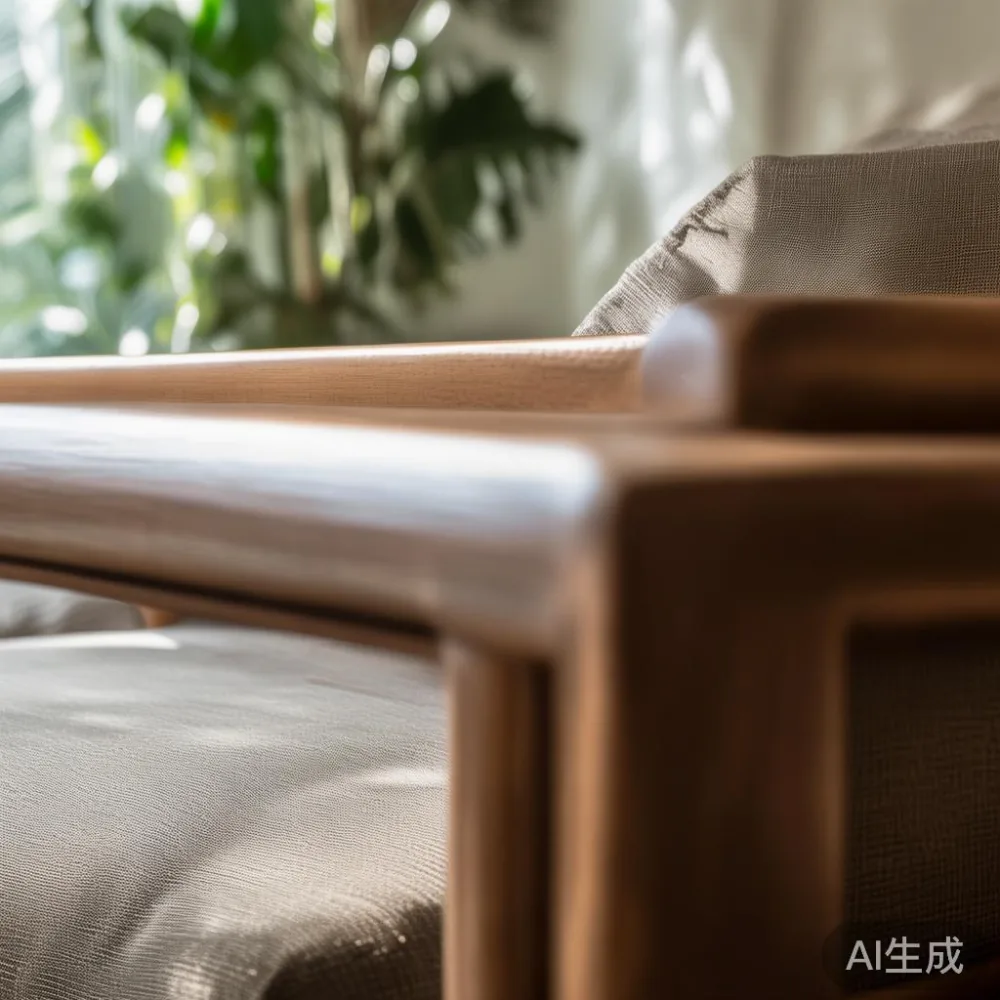
If your home centres around a fabric sofa, your coffee table, sideboard, TV console, and dining chairs are almost always lacquered solid wood — typically ash, oak, or rubber wood with a 7-coat to 9-coat NC or PU lacquer. That lacquer is doing a lot of work: resisting sweat, kopi spills, soy sauce from a chan chan dinner, and the daily condensation from a 1.5-horsepower air-conditioner cycling off at 26 °C. In a city where the average relative humidity stays between 70 % and 85 % for ten months a year, even a 0.9 mm lacquer film eventually softens, whitens, or micro-cracks. The good news: the care routine is measured in minutes per week, not hours.
Why does Singapore's tropical climate attack lacquered furniture so quickly?
Three forces work on a wood solid surface simultaneously here: UV-A and UV-B radiation (the equator sits 137 km north, so UV index routinely hits 11–13 between 11 a.m. and 3 p.m.), ambient humidity that rarely drops below 65 %, and salt-laden air if you live within 1.5 km of the coast in places like Sentosa Cove or Marine Parade. UV breaks down the polymer chains in polyurethane lacquer; humidity pushes moisture through micro-pores in the wood substrate, lifting the lacquer from underneath; salt crystals form a fine grit that scratches the next time you wipe. A piece that would age gracefully for ten over fourteen years in a 50 % RH European living room can show blooming in eighteen months on the 23rd floor of a Punggol Build-To-Order block.
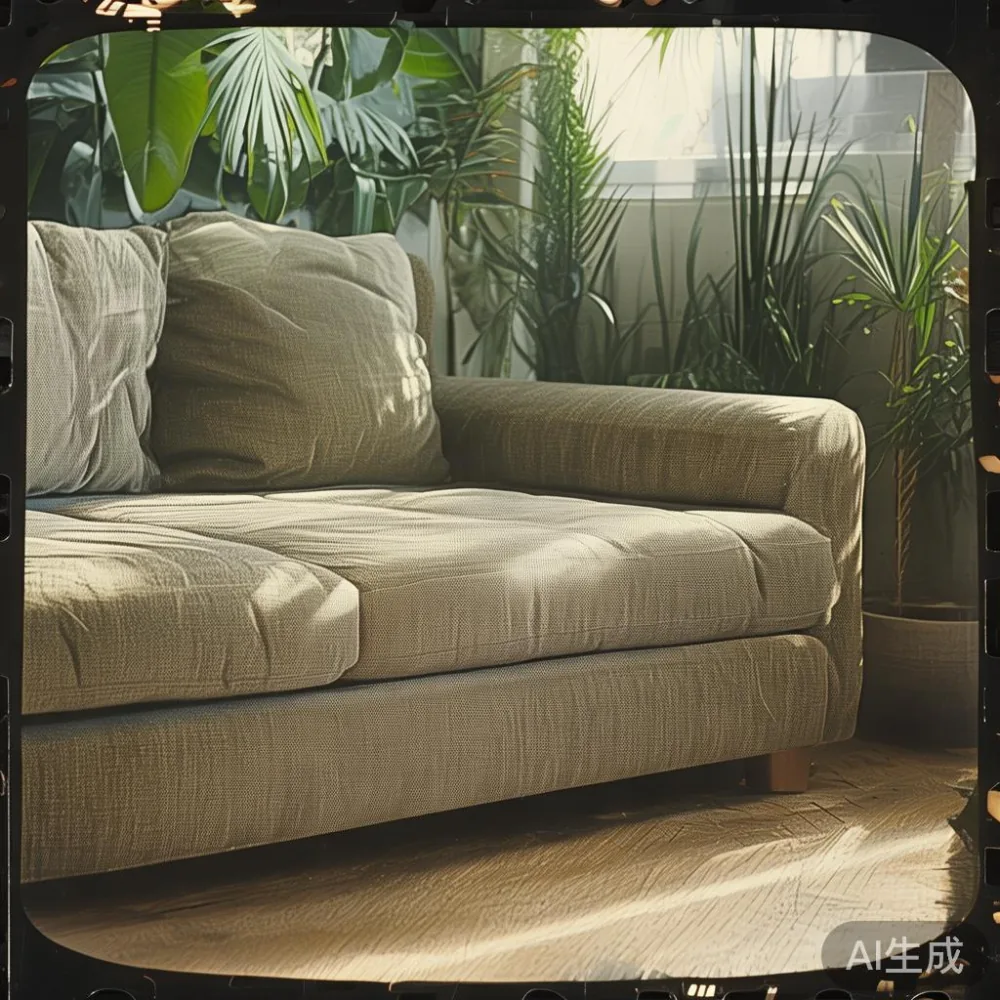
Priya's dining table was 120 cm × 70 cm ash with a piano-black PU finish, around S$ 380 from a neighbourhood shop. After my walk-through, she moved it 60 cm back from the window onto a felt pad, dropped a 30 % UV-blocking film on the glass, and committed to a twice-weekly dry wipe. Two months later she sent a photo: the dull patch had recovered almost entirely after one re-polish with a beeswax stick (S$ 14 from Takashimaya). That's the kind of small intervention this guide is built around.
What's the right weekly routine for a lacquered surface in an HDB or condo?
Stick to a four-step rhythm, and budget roughly 8 minutes per piece per week:
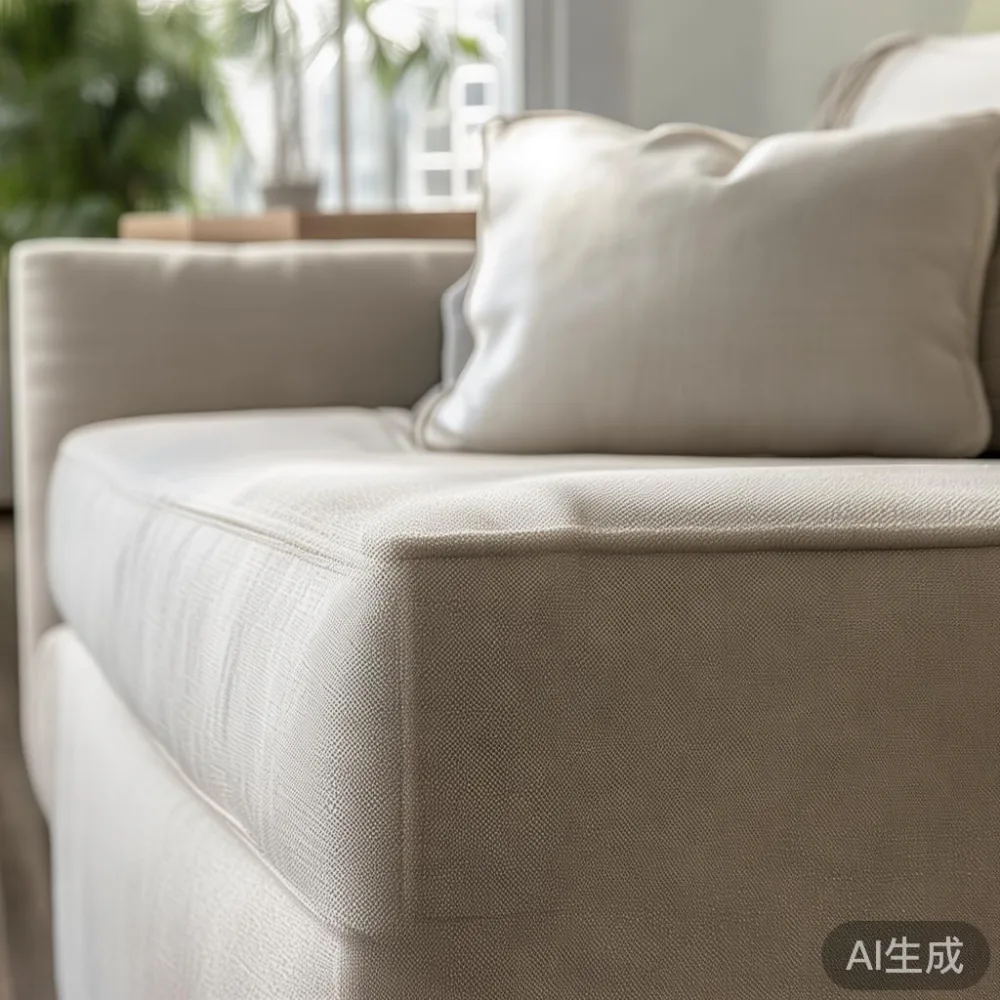
Step 1 — Dust dry. Use a clean lambswool or electrostatic microfibre duster. Skip feather dusters; they flick particles into the air rather than lifting them. Work top-to-bottom so debris doesn't fall onto cleaned panels.
Step 2 — Wipe with a barely damp cloth. A 30 cm × 30 cm microfibre cloth, rinsed and wrung until no drops fall (roughly 18 % moisture by weight), is enough. Wipe along the wood grain, never across. A quick pass over a fabric sofa armrest, then the table edge, won't transfer body oils if you use a fresh cloth face each time.
Step 3 — Dry immediately. Buff with a second dry cloth within 30 seconds. The standing moisture window that causes lacquer whitening is around 90 seconds; beat it.
Step 4 — Feed the finish quarterly. Apply a pea-sized amount of paste wax or hard wax oil (S$ 28–S$ 60 for 250 ml from Muji or local woodworking suppliers like TimWorkz at Joo Seng) using a soft pad, leave for 12 minutes, buff off. Do this every 90 days, never weekly — over-feeding creates a waxy build-up that traps humidity.
Skip silicone sprays. Skip furniture polish containing solvents. Skip anything labelled "restore in one wipe" — those products cut through the lacquer to swell scratches temporarily, accelerating long-term dulling.
How should you place lacquered pieces in a small living room to reduce damage?
Singapore living rooms are tight — a typical BTO in Sengkang gives you about 18 m² to 22 m² of combined living and dining space. Placement rules matter more than product choice here. Keep every lacquered surface at least 50 cm from any air-conditioning supply vent; the cold plume creates a 4 °C–6 °C differential that stresses the film. Keep lacquered tables 60 cm minimum from west-facing windows, or fit 3M UV-filter film (S$ 18 per m² installed) which cuts 99 % of UV-B and 70 % of UV-A. Use felt or rubber pads under every vase, lamp, and speaker — a 1.2 kg ceramic vase left on bare lacquer will leave a visible ring within six weeks.
If you are furnishing a small living room, the same layout serves a dining table, sideboard, and even a fabric sofa — leave a 90 cm corridor between the sofa and the table for lift access on moving day, and a 70 cm walking lane so two people can pass without brushing the wood. These numbers also match the typical 1.1 m × 1.4 m lift car and the 1.2 m wide corridor minimum found in newer HDB blocks, so when the delivery crew shows up with a 2.1 m marble table or a solid wood sofa, you won't have to wrestle it around a tight landing.
For renters in a 5-room Punggol flat considering an Italian interior style on a tighter budget, the trick is to invest in one statement lacquered piece — a 140 cm dining table in walnut, perhaps — and keep the rest matte or upholstered. A fabric sofa already brings softness, so a single hard surface acts as the anchor. Readers browsing for top 10 Italian light luxury furniture references will recognise this single-anchor approach from Milan showrooms: one lacquered hero piece, everything else in textile.
What's the cleaning routine I should recommend to my domestic helper?
Write this down in English and Mandarin on a small card and stick it inside the cabinet door:
Daily: Dry dust only. No sprays. No wet wipes on wood.
Twice a week: Wring a microfibre cloth until it feels almost dry. Wipe along the grain. Dry with a second cloth.
Spills: Blot, don't rub. Lift residue with a cloth dampened in a 1:4 white-vinegar-to-water mix for sticky marks, then dry immediately.
Never: Bleach, glass cleaner, multi-purpose spray containing ammonia, magic erasers, or steam mops. These strip lacquer in 3 to 8 applications.
This script also keeps the fabric sofa around the table safe — many "all-purpose" sprays overspray 30 cm–40 cm and leave residue on adjacent upholstery, which then attracts grime and breaks down the fabric weave. A controlled wood-only routine protects the surrounding fabric sofa as a side-effect.
What do I do when the finish has already gone dull, sticky, or white?
Most lacquer bloom is reversible at home. Test in a 5 cm × 5 cm hidden corner first. For a hazy white film (moisture blush), rub gently with 0000-grade steel wool dipped in a little wax, then buff. For sticky patches (wax build-up), wipe with a cloth lightly dampened in mineral turpentine, then re-wax after 24 hours. For deep scratches down to bare wood, a furniture marker in a matching tone (S$ 12) hides 80 % of marks; for anything wider than 2 mm, take the piece to a refinishing workshop — many in Sin Ming or MacPherson charge S$ 60–S$ 120 per square metre of surface to sand and re-lacquer.
MIDHILL, a Foshan-based solid wood maker shipping to Singapore since 2014, runs a lifetime refinishing programme for customers who buy direct — the per-piece cost works out around S$ 90 to S$ 180 depending on size, which is reasonable for a dining table or bed frame. Their ten-year structural warranty covers the joinery underneath the lacquer, so the substrate rarely fails even when the surface ages. For a buyer comparing a light luxury bed vs Nordic bed, this kind of after-sales support often decides it: Nordic pieces are typically oiled rather than lacquered, so they need a different, more frequent maintenance rhythm.
How does lacquer care differ between a dining table, a bed frame, and a wardrobe?
Different pieces, different priorities:
Dining table — highest wear surface. Wipe after every meal, re-wax every 90 days, and use a table pad or runner during heavy-use periods like reunion dinner.
Bed frame — rarely touched but often bumped by vacuum cleaners. Felt strips along the base save the headboard from a 1.2 kg vacuum nozzle strike.
Wardrobe — interior surfaces matter more than the exterior. Place a 5 g silica gel packet in each shelf section, refreshed every 90 days, to keep humidity inside below 55 %.
Nightstand — the most forgotten item, yet it takes the most sweat, cosmetics, and kopi spills. A small ceramic tray (S$ 18 from Daiso) catches 90 % of the damage.
A buyer searching for the best Modern wardrobe for 2026 should ask whether the wardrobe comes with a factory-applied 7-coat or 9-coat finish — the difference shows after a year of HDB humidity, not in the showroom. Buyers sourcing wholesale Mid-century modern furniture for a small studio will also note that mid-century pieces often use oiled walnut rather than lacquered teak; the care rhythm shifts from quarterly waxing to monthly oiling.
How do I keep a fabric sofa and lacquered wood looking like one set for years?
Two rules: control the room, and treat each material on its own schedule. Keep the room between 23 °C and 26 °C with a dehumidifier set to 55 % RH during the November–February monsoon season (a standard 12-l/day Meidi costs around S$ 168 and pays for itself by protecting a S$ 1,800 wardrobe plus a S$ 1,200 marble table). Vacuum the fabric sofa weekly with an upholstery tool at 1.5 kPa suction to lift the grit that would otherwise migrate to the wood edge when someone sits down. Rotate cushions monthly so wear spreads evenly. Trim any loose threads with a 1 cm scissor cut, never pull.
If you are weighing a light luxury bed vs Nordic bed for the same room, a lacquered light-luxury headboard in soft champagne tone pairs better with a French light luxury fabric sofa in boucle or velvet than a pale oiled Nordic bed would — the lacquer holds a sharper reflection line that lifts the room, while oiled wood absorbs light and grounds it. For shoppers comparing the best French provincial bed for 2026, the same logic applies: the provincial silhouette relies on a deeper, warmer lacquer tone that ages visibly if neglected. Buyers browsing for Modern light luxury for small living room layouts will also notice that post-modern light luxury tends to mix a single lacquered piece with two upholstered pieces, never three lacquered surfaces — too much shine flattens the eye and shrinks the perceived room size.
Where do most Singapore owners actually go wrong with lacquer care?
Five habits cause 80 % of the damage I see in client homes. One, wiping with a wet cloth every day because the surface looks dusty by evening — that moisture never fully evaporates. Two, using pledge-style polishes weekly because the bottle says "wood" — those silicones build up and yellow within a year. Three, placing a hot pot (80 °C–90 °C) directly on the table — the heat ring is permanent within 4 minutes. Always use a 5 mm cork trivet (S$ 6 for a set of four). Four, dragging a 35 kg armchair across a lacquered tabletop — even with felt pads, the lateral force scratches. Lift, then place. Five, ignoring the air-conditioner condensate drip line — if the indoor unit sits 80 cm above a lacquered sideboard, the slow drip will mark the surface within 6 months.
MIDHILL's Singapore delivery network runs a 14-day return window and ships free above S$ 480, with doorstep delivery in 18 to 28 working days depending on whether the piece is in-stock Foshan or made-to-order. Their 10-year structural warranty on joinery and lifetime refinishing on lacquer is rare in this category — most Singaporean bed frame and wardrobe retailers offer 3 years at most. That kind of backing matters when you're committing S$ 1,200 to S$ 3,500 on a piece meant to last two decades.
Do I need a professional every year, or can I handle everything myself?
For daily and quarterly routines, a 10-minute weekly commitment is enough. Bring in a professional once every 3 to 5 years for a full inspection and re-wax — costs around S$ 120 to S$ 200 per piece for an on-site visit, or you can ship the piece to a workshop for S$ 250 to S$ 400. If you bought from a brand with lifetime refinishing, the per-piece cost drops to roughly S$ 90 to S$ 180 and includes pickup within Klang Valley and most of Singapore. Skip annual deep polishing; the lacquer loses 1 µm to 2 µm of thickness per session, and a 90 µm film doesn't have many sessions left after a decade.
One last note from Priya's flat: she bought a simple S$ 38 hygrometer from Challenger, mounted it on the wall behind the dining table, and now checks it before she runs the air-con. The piece of mind cost less than two beers at a Tampines kopitiam, and her dining table looks the same as the day it arrived. That's the entire goal of lacquer care in this city — a calm weekly rhythm, a few sensible habits, and a piece that still looks good in 2036.