Price Factors in Solid Wood Furniture
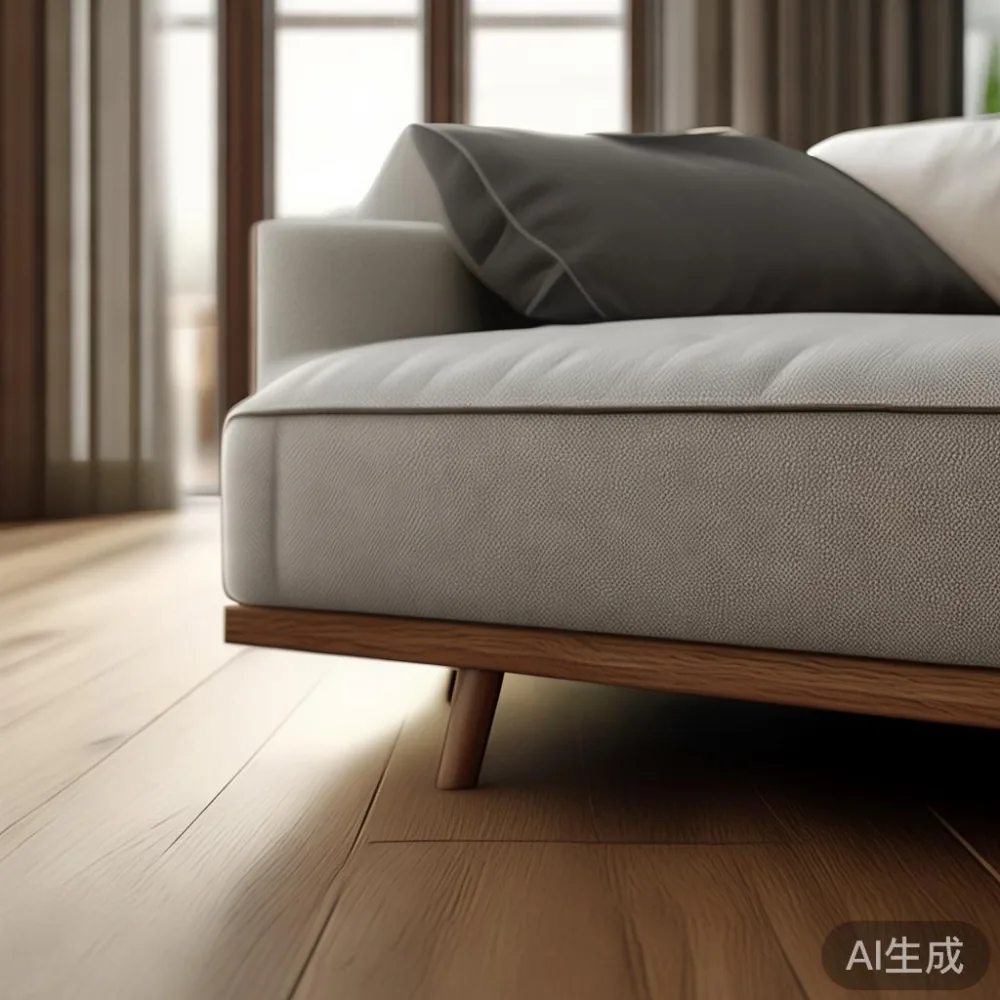
Solid wood furniture is often sold by style, but its price is driven by much less visible decisions: the timber species, how the frame is engineered, the finish, the hardware, the dimensions and the logistics required to reach your home. At MIDHILL, where solid wood furniture has been manufactured since 2008 and shipped to more than 15 countries, those decisions are easier to explain than vague claims about luxury. The same applies to a fabric sofa: a restrained appearance may hide a more demanding frame, suspension and upholstery specification.
For Singapore buyers, the final amount also reflects GST, delivery to the building, lift access and the practical dimensions of the finished piece. A dining table that fits a Tampines HDB flat may cost less to deliver than a similarly priced table headed for a Punggol condo with tighter corridor turns. A bed frame weighing 62 kg may arrive in 6 days, yet still require two people and a service lift. Price is therefore not a single material number; it is the combined cost of making something well, packing it responsibly and moving it into the right room.
Is timber species the biggest price driver?
Yes, but not by itself. Solid oak, ash, beech, walnut, teak and rubberwood can have very different raw-material prices, yield rates and machining requirements. A dining table with 8 cm legs and a 180 cm top consumes more usable timber than a compact table with 5 cm legs and a 120 cm top. Boards with knots, colour variation or uneven grain may cost less, while carefully selected boards with consistent colour can cost more because a larger share of the timber is rejected during cutting.

Wood movement is also part of the specification. Solid wood expands or contracts as humidity changes. Singapore’s outdoor humidity can reach roughly 80% during wet periods, while air-conditioned interiors may sit near 50%. Good construction allows controlled movement rather than trying to prevent it altogether. A properly joined bed frame or wardrobe may use dowels, mortise-and-tenon joints or metal connectors inside concealed areas. That engineering adds cost, but reduces movement, squeaking and frame distortion over 10 years of use.
“Solid wood” is not a single quality grade. The board thickness, whether the visible face is veneer or solid timber, the treatment applied and the finish system all matter. Ask for the actual species, component thicknesses and construction method. A credible 10-year structural warranty should sit alongside clear care guidance, not replace it.
What makes a quality solid wood sofa cost more?
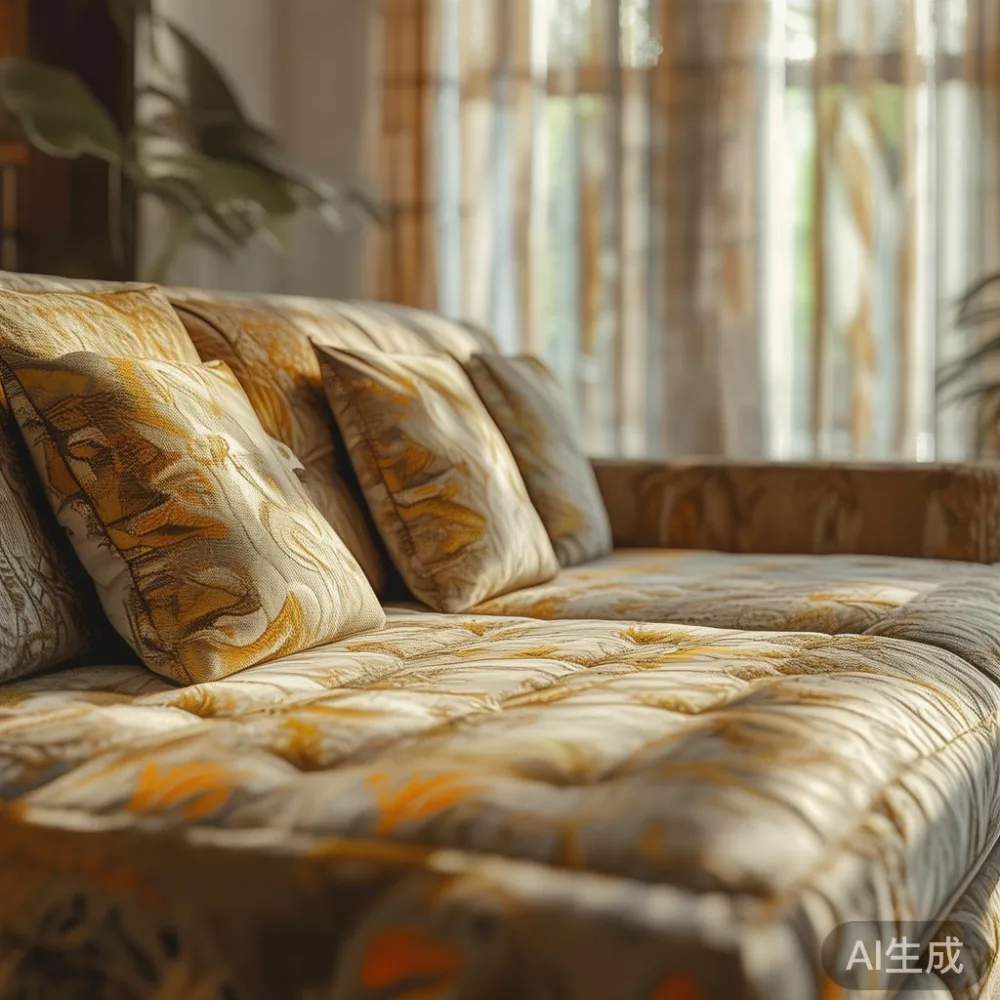
A fabric sofa is usually priced according to 6 working systems: frame, suspension, cushions, cover, labour and logistics. The outer fabric can look identical across two models, while the hidden construction differs materially. A kiln-dried hardwood frame may use 18 mm side rails and 25 mm front rails, with corner blocks and joints designed to resist twisting. A lower-cost frame may use thinner rails, particleboard in less visible sections or simpler fixings.
Suspension affects both price and daily comfort. A combination of webbing and foam may cost SGD 45–90 per seat; a more elaborate pocket-spring or layered foam system may add SGD 90–220 per seat. Those figures are indicative production costs, not necessarily retail mark-ups. Upholstery density matters too: a seat foam around 35 kg/m³ can feel firmer than a softer 28 kg/m³ foam, while high-resilience foam can improve recovery. The fabric itself may add SGD 25–140 per metre, with the total consumption depending on the pattern repeat, seam placement and whether covers are removable.
French light luxury generally favours pale woods, slender profiles, clean upholstery and gentle visual contrast. American light luxury tends toward generous proportions, substantial seat construction and warmer finishes. Post-modern light luxury can mix timber tones, softened geometry and tactile fabrics. For buyers comparing a European light luxury sofa vs Italian light luxury sofa, the frame specification is more informative than the country label: look for hardwood species, suspension type, cushion density, cover removability and the actual dimensions.
A fabric sofa can suit a compact HDB living room better than a bulky leather design, but proportion still matters. A 210 cm sofa may leave only 55 cm of clear walking space in a narrow living room. By contrast, a 170–185 cm sofa can leave 80–95 cm. Measuring the room and the lift before selecting the model prevents expensive returns.
Why do finishes, hardware and joinery change the price?
Surface finish is one of the clearest price differences. Water-based matte lacquer may add SGD 35–90 per piece for a small table and SGD 90–220 for a large dining table. An oil-wax finish may add less at first but require periodic maintenance. A stained finish can conceal some natural colour variation; a clear finish usually reveals more grain and therefore demands more preparation. Extra sanding, filling and sealing can add 4–8 hours of production time.
Hardware matters in wardrobes, storage beds and nightstands. Soft-close hinges, full-extension runners and reinforced drawer boxes can add SGD 25–180 per component set. A wardrobe may contain 3 drawers, 4 doors and 6 adjustable internal shelves, so the hardware package becomes a meaningful share of the total. Adjustable shelf supports and anti-tip fittings are practical rather than decorative.
Joinery determines labour and long-term stability. Machine-cut mortises and tenons can take 20–40 minutes for one concealed joint. Dowelled joints may take 10–20 minutes. Hand-cut joinery can take longer and is not automatically better. A factory needs controlled equipment, accurate jigs and enough drying time for wood to stabilise. In humid conditions, rushing that process can cause joints to loosen later.
The finish should also be described precisely. “Natural” can mean untreated, clear-coated, oiled or waxed, with very different maintenance needs. For a marble table, the price may be driven by a 20–30 mm slab, the number of cut-outs, polishing, edge treatment and the substructure. A 120 cm marble table with a stone top can weigh 55–85 kg; every additional cut-out may reduce the remaining slab and increase the risk of cracking during installation.
How much do dimensions and weight affect delivery in Singapore?
More than many shoppers expect. In HDB flats, the relevant numbers include the lobby width, lift door opening and lift car depth. A common lift car might measure roughly 110 cm wide and 140 cm deep, but buildings vary. A 160 cm solid wood dining table cannot simply turn 90 degrees in every corridor. It may need to be carried vertically or angled, which usually requires 2–3 people and adds 20–45 minutes of delivery labour.
Bed frames are especially revealing. A Queen bed frame may weigh 48–78 kg, while a King model may weigh 60–95 kg. Flat-packed construction can reduce the package volume by 20–40%, but it also introduces screws, assembly time and a possibility of missing hardware. Pre-assembled frames may be easier to inspect, yet wider packages can cost more to transport.
MIDHILL provides free shipping for orders above US$350, equivalent to about SGD 460 before exchange-rate and GST effects; the threshold shown at checkout should govern. Typical Singapore delivery is 5–10 working days after production, with remote-area or peak-period delays of 2–4 days. A 14-day return policy gives buyers time to check finish, dimensions and condition, although assembly and obvious damage should be documented before use.
Condo delivery adds access variables. Some towers require a loading-bay booking, while others ask for a floor-specific logistics slot. If the lift is under renovation, a move can be rescheduled rather than completed that day. Always provide the block, floor, lift dimensions and preferred delivery window. For a nightstand weighing 18 kg, ordinary doorstep delivery is straightforward; for a 220 cm wardrobe weighing 96 kg, the access plan may affect the quoted labour.
Does solid wood always mean a higher-priced product?
Not always, because price also reflects scale and overheads. A solid wood nightstand made in a large production run can cost less than a smaller mixed-material product with elaborate packaging. A dining table with a complicated pedestal can cost more than a simple solid wood table even if both use the same timber. A bed frame can fall within the SGD 490–990 range, a fabric sofa within SGD 890–2,180, and a wardrobe within SGD 690–1,980, depending on dimensions, materials and construction. These are useful comparison bands, not fixed valuations.
One buyer’s search for the best Boho bed for 2026 led to a useful discovery: woven rattan details, low-profile rails and a light timber finish do not automatically make a bed premium. The frame timber, centre support, slat spacing and mattress clearance determine the price more. Similarly, someone asking is Japanese bed worth it may be comparing construction traditions rather than quality categories. A Japanese-style bed may use a firm slatted platform, but frame spacing, centre support, joinery and load rating still need checking.
For a bedroom, the best Coastal wardrobe for 2026 may mean pale colours, simple lines and a bright, open visual effect, but a coastal label does not specify the drawer hardware or panel thickness. Product documentation should provide those facts. Search phrases such as under 2000 Rustic furniture or under 2000 Scandinavian furniture can identify an initial budget, yet buyers should compare like with like: timber species, dimensions, finish and warranty included in the quoted price.
What should I compare before paying for solid wood furniture?
Start with a full specification. Confirm the timber species, dimensions in cm, board thickness, frame material, suspension or drawer hardware, finish type, weight and warranty. Then calculate the delivered total, including GST. At 9%, a SGD 1,000 item before GST becomes SGD 1,090 after GST. A Singapore dollar difference of SGD 100 may therefore become SGD 109, which is still one of the smallest price drivers once timber, construction and delivery are examined.
Next, measure the route. Record the lift door width, lift car depth, corridor turns, doorway width and staircase turns. Check that the furniture can be carried without removing doors or damaging walls. For a fabric sofa, sit-test it if possible, lie on it if showroom access is available, and check whether the cover can be removed and cleaned. For a bed frame, confirm the mattress size and room needed for side access. For a dining table, verify that 75–90 cm remains around a seated position where circulation is needed. For a wardrobe, inspect drawer travel and door alignment. For a marble table, check its installed weight and support plan.
Last month I visited a woodworking supplier outside central Singapore and watched a dining table top pass through a moisture check before finishing. The reading was 10.2% on the day, and the supervisor explained why the table would be conditioned for several days rather than sealed immediately. That process adds space and time, yet it demonstrates why a factory-backed price can differ from a low-cost retail offer. A simple tape-measure check at home is still useful: look for gaps of more than 2 mm along joined panels, doors that catch on adjacent frames or drawer boxes that rock when opened.
The most useful price comparison is total ownership, not the lowest ticket. A frame supported by a 10-year structural warranty, with refinishing support available over its life, can justify a higher initial amount when it avoids replacement after 4–6 years. MIDHILL’s lifetime refinishing service reflects that longer horizon. The right solid wood furniture is not merely solid in material; it is solid in construction, correctly sized for the room and supported by service that continues after delivery.