How to Care for a Lacquered Surface in a Tropical Climate
Singapore’s humidity can be gentle on a carefully finished fabric sofa for a few months, then demanding by the fourth or fifth wet season. Lacquered timber, lacquered metal, and high-gloss surfaces need a different routine from ordinary wood care. The goal is simple: control moisture, heat, direct sunlight, and abrasion before they become permanent marks.
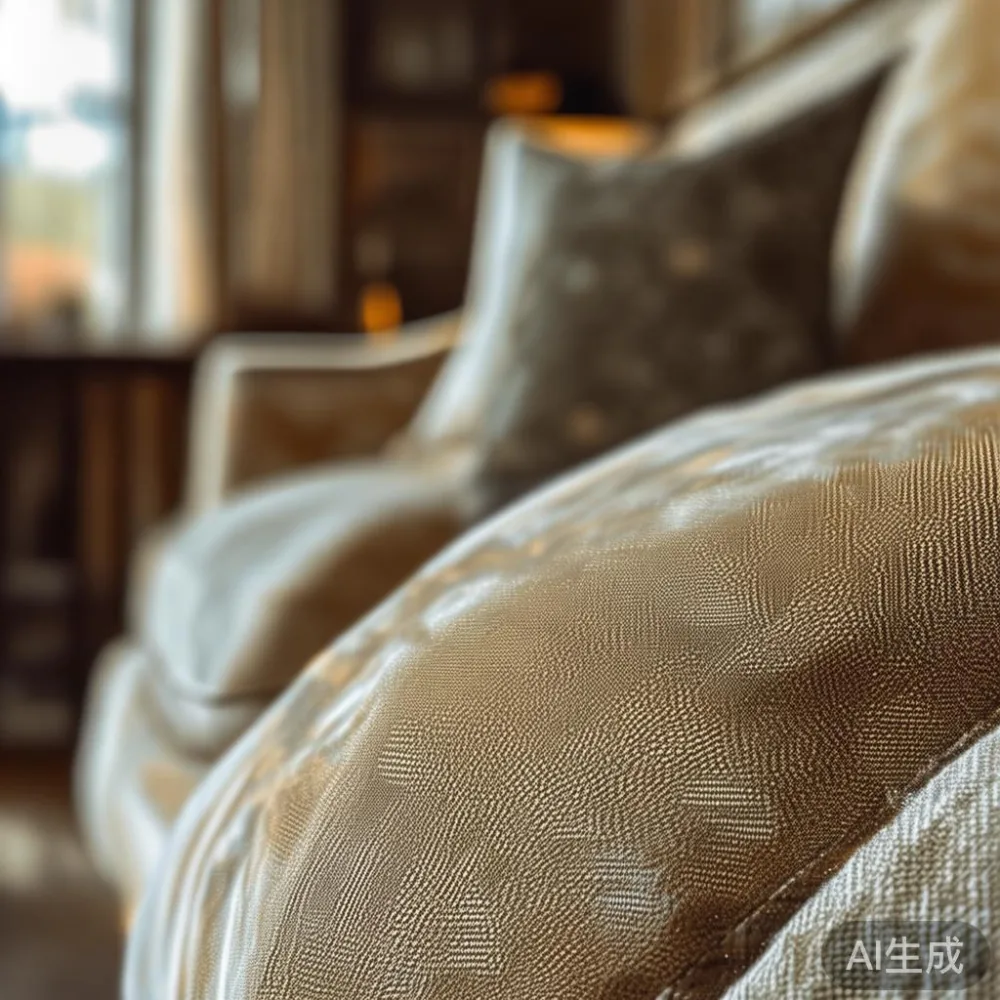
For a solid wood sofa in a Tampines HDB flat, a Bedok condo, or a Punggol home, the finish deserves as much attention as the timber beneath it. MIDHILL designs lacquered pieces for use in warm interiors, but every maker’s finish behaves differently. Test any cleaner on a concealed area and allow 48 hours before judging the result.
What makes lacquer different in Singapore’s humidity?
Lacquer is a thin surface coating rather than the solid core of the furniture. Depending on the product, it may be sprayed, brushed, or cured over wood, metal, or another substrate. It can develop a polished depth associated with French light luxury, but it can also show fingerprints, haze, scratches, and fine coating damage faster than a matte finish.
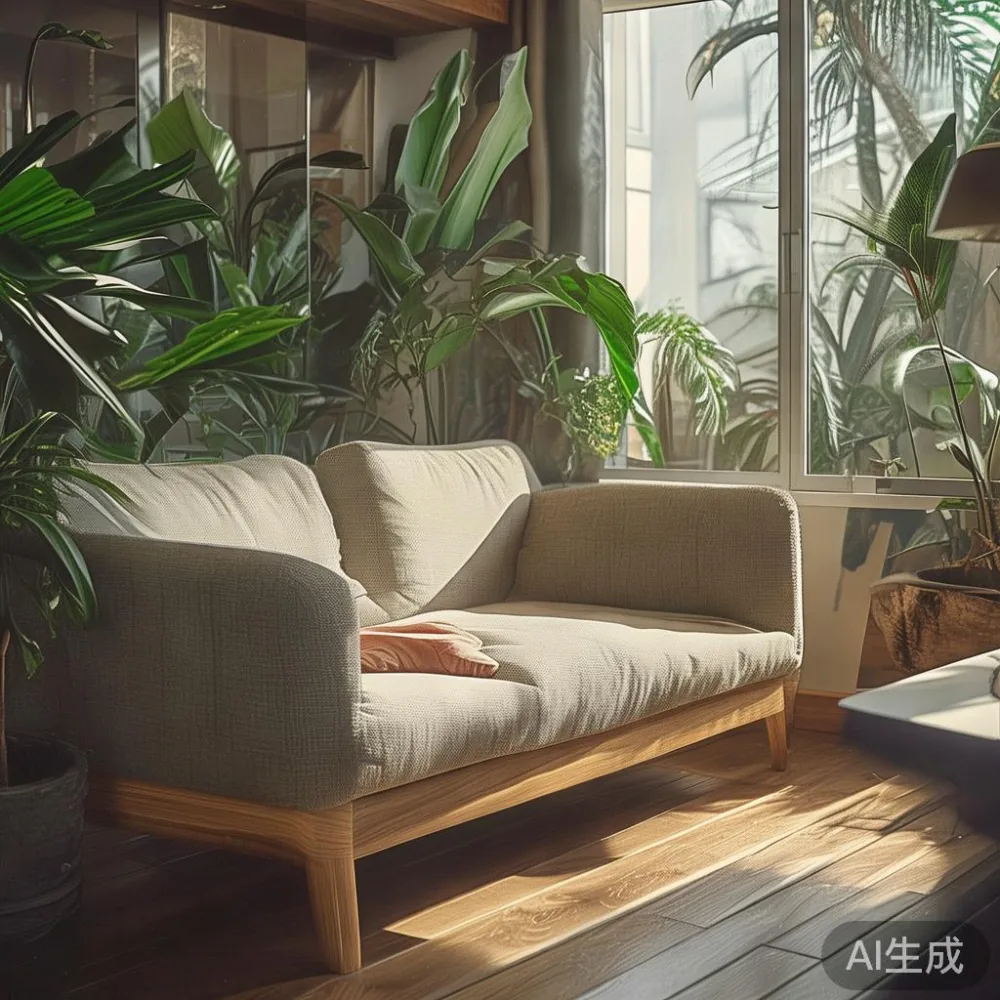
Singapore’s relative humidity commonly ranges from about 60% to 85% through the year. Those figures matter because lacquer expands and contracts more slowly than some timbers beneath it. A door that feels sticky in August, a window that sweats after an afternoon downpour, and an air-conditioning unit cycling between 22°C and 27°C can all affect a finished surface.
Place lacquered furniture at least 60 cm from windows with direct afternoon sun, 30 cm from an air-conditioning vent, and 15 cm from a wall or radiator where practical. In a compact HDB living room, that may mean rotating a fabric sofa away from the balcony door during bright periods rather than squeezing it against the glazing.
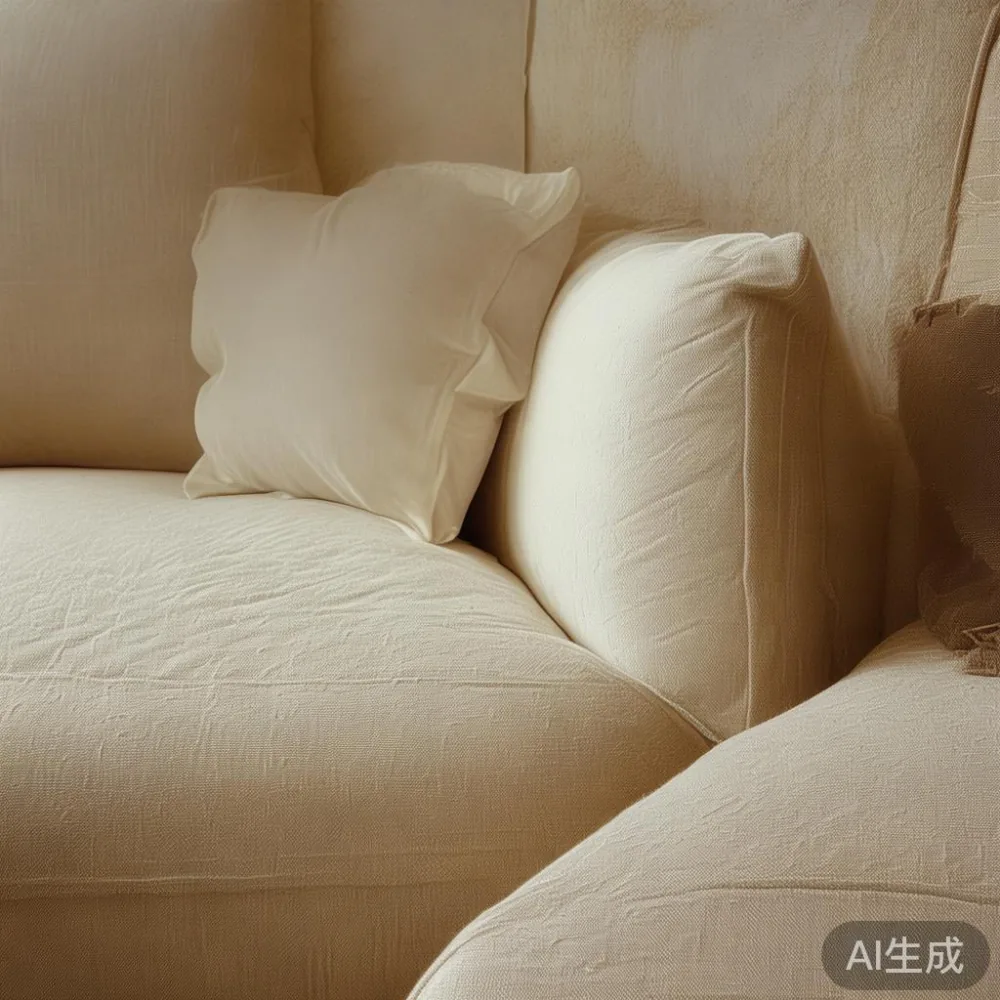
Use a hygrometer rather than relying on a weather forecast. A reading between 45% and 60% is a practical target for timber and lacquered furniture. If the room remains above 65% for repeated hours, improve ventilation, run the air conditioner, or use a rated dehumidifier. Keep the device at least 30 cm from upholstery and walls so that airflow does not create condensation or dust movement.
I tested a dark lacquered console in our studio last month during a week of evening rain. A damp microfibre cloth left a visible water ring within 3 minutes. After the finish was dry, I wiped the area with a lightly dampened cloth and a drop of pH-neutral dish soap, then dried it with a soft cotton towel. The mark disappeared without polishing. The lesson was clear: splash water should never remain on lacquer, even during a quick wipe.
How should I clean a lacquered surface without damaging it?
Begin with a soft, colourfast cloth. Vacuum or dust the surface first with a brush nozzle held about 2 cm above the finish, so grit does not become trapped inside the cloth. Vacuum upholstery at intervals of 1 week, and use a crevice tool around seams, legs, and the underside of cushions.
For routine cleaning, mix 5 mL of mild, pH-neutral detergent with 500 mL of lukewarm water. The solution should feel almost clear, not soapy. Wring the cloth until it only releases a few drops. Test it under the rear rail or beneath a seat cushion for 15 minutes, wipe again, and allow the area to dry for 24 hours.
Then work in small sections of no more than 60 cm × 60 cm. Use light pressure, keep the cloth moving, and dry each section immediately with a separate lint-free cotton towel. Do not use abrasive pads, steel wool, alcohol, ammonia, bleach, vinegar, acetone, furniture polish, or aerosol glass cleaner. Some household products appear useful but can soften or haze a lacquer layer within 2 or 3 uses.
For fingerprints on a lacquered solid wood side table, a barely damp cloth is normally enough. For a more stubborn mark, place a clean microfibre cloth over the spot and warm it gently with a hairdryer held at least 30 cm away for no more than 15 seconds. Do not use direct heat on a fabric sofa, and never warm one area for more than 30 seconds at a time.
Spills need speed rather than stronger chemicals. Blot, do not rub. Remove liquid from the edge inward within 1 minute. If a drink has soaked into a joint, lift removable cushions and blot underneath them. Reach a lacquered furniture specialist if liquid has entered a seam, travelled beneath the coating, or caused lifting; repeated wiping can spread the damage.
Can humidity cause lacquer to peel, haze, or mould?
Humidity alone is less damaging than the combination of humidity, heat, trapped moisture, and poor airflow. Lacquer usually does not mould. A fuzzy or spotted surface after a downpour is more likely to be trapped grit, condensed water, or a coating reaction than biological mould.
Inspect vulnerable areas every 2 weeks: beneath window sills, behind the sofa, around lift-adjacent entry points, and beside air-conditioning vents. Look for a dull halo, softened coating, lifting edge, fine cracking, or a musty smell. A musty textile on a fabric sofa can be managed by checking the cushion fill and ensuring the sofa has dried within 24 hours.
For mould on removable upholstery, isolate the cushion and follow the textile supplier’s cleaning code. Keep the item under 60% humidity while drying and avoid direct sun. If mould remains after 2 cleaning attempts, professional cleaning is preferable to vigorous scrubbing.
Keep indoor plants on a separate tray. A 20 cm pot can release several hundred millilitres of water after watering, and that water may condense beneath the pot. Do not mist lacquered furniture. If polishing is permitted by the finish supplier, use only a product compatible with that specific lacquer, applied with a clean cloth no more than once every 6 months.
How much heat and sunlight should a lacquered fabric sofa receive?
Keep the finish out of prolonged direct light. UV exposure can fade fabric, alter timber colour, and make a lacquer appear uneven. In Singapore, east-facing rooms receive strong morning light, while west-facing windows can exceed 32°C in the afternoon. Curtains, blinds, and UV-filtering film reduce exposure without blocking ventilation.
Aim for a surface temperature below 30°C where possible. Touch the top rail or side table rather than the sofa itself, which can feel warmer because it holds body heat. Furniture placed beside a west-facing window may need curtains closed from about 11 a.m. to 4 p.m. during dry, clear weeks.
Do not place a lacquered item directly against an exterior wall in a ground-floor Bedok unit. Condensation can travel behind the base and collect where no one sees it. Use a gap of at least 5 cm for airflow. In a Punggol condo with floor-to-ceiling glazing, consider the sun’s path rather than simply the room’s orientation; the same window can change its exposure across 12 months.
Move furniture no more than once every 6 months. Dragging a heavy solid wood sofa across tiles can twist its base and scratch lacquered feet. Lift it with 2 people, protect the floor with moving blankets, and check that corridor and lift dimensions accommodate the packed piece before delivery day.
What should I do if the lacquer is scratched, chipped, or cloudy?
Start by identifying the finish. If the coating can be scraped lightly with a fingernail, it may be a separate lacquer layer. If the mark only changes colour, the lacquer may still be intact. Place the piece under good light and compare the damaged area with an untouched section from underneath or behind the sofa.
For a fresh scratch, keep it dry and avoid improvising with nail polish, marker pens, crayons, or sanding blocks. Those materials can make the repair conspicuous. A furniture-finish specialist may clean, level, and re-lacquer the area, but colour matching is more demanding on a warm brown timber than on a plain black or white finish.
Chipping along an edge or corner requires prompt attention because moisture can enter the exposed substrate. Tape a clean paper cover loosely over the area to keep dust away, but do not tape directly onto lacquer. Photograph the damage in daylight and keep a written record of the event and surrounding humidity.
Cloudiness can sometimes be corrected with the approved cleaner and a soft cloth. If it remains after 3 careful attempts, stop. Repeated polishing can create a matte patch that is harder to repair than the original haze.
How do I choose furniture that suits Singapore apartments?
Before choosing a European light luxury dining table for a compact flat, check the packed dimensions as well as the assembled size. A dining table labelled 160 cm × 90 cm may require a lift opening of at least 82 cm on its shortest diagonal, plus room for 2 handlers. The actual requirement depends on the table’s shape and whether it separates.
In a Tampines HDB dining area, allow 90 cm of clearance behind each occupied chair and at least 60 cm between the table edge and a wall. For a Bedok condo, the same table may feel smaller if the route from the lift is narrow. Ask for the package length, width, and weight in centimetres and kilograms; a delivery team should not have to guess on collection day.
Material choice also affects humidity care. A solid wood sofa with a lacquered timber frame needs stable indoor conditions. A fabric sofa should have removable covers or washable seat cushions where possible, and the care code should be available before purchase. A light blue luxury sofa can work in a pale condo, yet its finish should be checked in both daylight and evening light before it enters the room.
For storage, consider a bed frame with a ventilated headboard position, a nightstand with a closed drawer for coasters and medication, and a wardrobe that does not press directly against a wet wall. If you are comparing Japanese sofa vs Mid-century modern sofa options, check seat depth, frame material, cushion reversibility, and aftercare requirements rather than focusing only on profile.
For a wider project, a shortlist of the top 10 European light luxury furniture pieces should include room measurements, material specifications, care instructions, and delivered dimensions. French provincial styling also needs restraint in a small apartment; the guide to how to style French provincial sofa in apartment layouts can help by balancing one upholstered feature with clean walls and pale timber.
A polished dining setting can pair a marble table with a lacquered solid wood sideboard, but marble and timber respond differently to heat and spills. Use a coaster under warm objects, keep damp vases on trays, and avoid placing marble directly beneath an open window. Product planning should cover the whole room so that a lacquered finish, fabric upholstery, and stone surfaces can each receive suitable care.
What maintenance routine should I follow each month?
Create a simple schedule and record it in the home management app. Each week, check humidity with the hygrometer and dust the lacquered sections of the fabric sofa. Every 2 weeks, inspect window-facing timber and clean spills promptly. Once a month, check behind furniture, wipe reachable lacquer with a barely damp cloth, and examine the soles of lacquered feet for trapped grit.
Every 3 months, rotate loose accessories away from the strongest sun, check cushions for dampness, and inspect the lift and corridor route before a large delivery. Every 6 months, clean the air-conditioner filter if accessible and review whether furniture sits too close to vents or windows.
MIDHILL provides a 10-year structural warranty on qualifying furniture and lifetime refinishing support, but the owner’s care routine still matters. Keep the purchase documents, finish specification, and care instructions together. For a specialist answer about a particular lacquer or textile, include close photographs, the room’s humidity reading, and the approximate age of the surface in years.
How do delivery and after-sales details affect long-term care?
Check the delivered dimensions before the van arrives. Lift doors in many Singapore buildings are about 90 cm wide, and a sofa package may measure 220 cm while the assembled sofa is 205 cm long. Doorway turns can be the harder obstacle, so ask for a packing diagram and a delivery estimate within 2 working days.
Standard delivery timing should be stated clearly. For stock pieces, many sellers use 7 to 14 days; made-to-order items can require 6 to 10 weeks. If a late delivery causes a storage problem, agree on a written collection date rather than storing a large package in a corridor. GST and the final payable total in SGD should appear on the invoice, including any lift or delivery surcharge.
MIDHILL also offers free shipping for orders above US$350 and a 14-day return window, though local delivery terms should be confirmed for Singapore. If a piece arrives with damage, photograph the packaging and item before signing where this is permitted, then report it promptly. A 2-year lacquer guarantee may be more useful than an indefinite promise because coatings, cleaners, sunlight, and maintenance affect their condition differently.
For any future refinement, the lifetime refinishing service may cover eligible timber or structural work, but confirm whether lacquer, upholstery, and hardware are included. Keep the original order number, room measurements, and maintenance dates. Clear documentation makes care easier and helps a furniture specialist distinguish a finish issue from moisture exposure or everyday wear.