Caring for a Lacquered Surface in a Tropical Climate (Without Damaging Your Fabric Sofa Setup)
I live between Tampines and Punggol, and my flat's corridor is the standard HDB width of about 1.2 m, which sounds generous until you try to bring up a 2.4 m solid wood dining table wrapped in moving blankets. The lift inside my block is 1.1 m wide by 1.4 m deep, so anything over 220 cm in length has to come up the stairs or be tilted at an angle that makes the delivery men wince. Last month, I visited a colleague's new condo in Bedok where the developer had narrowed the lift to 0.9 m for the residential-only tower; her 1.95 m American-style bed frame had to be partially disassembled and reassembled inside the master bedroom, a process that took the three-man crew roughly 90 minutes. None of this is unusual in Singapore, and none of it is what I'll actually focus on below, but it sets the scene for why furniture care here is so specific: our pieces are built to survive the journey up the lift, and they also have to survive the climate that hits them once they are inside.
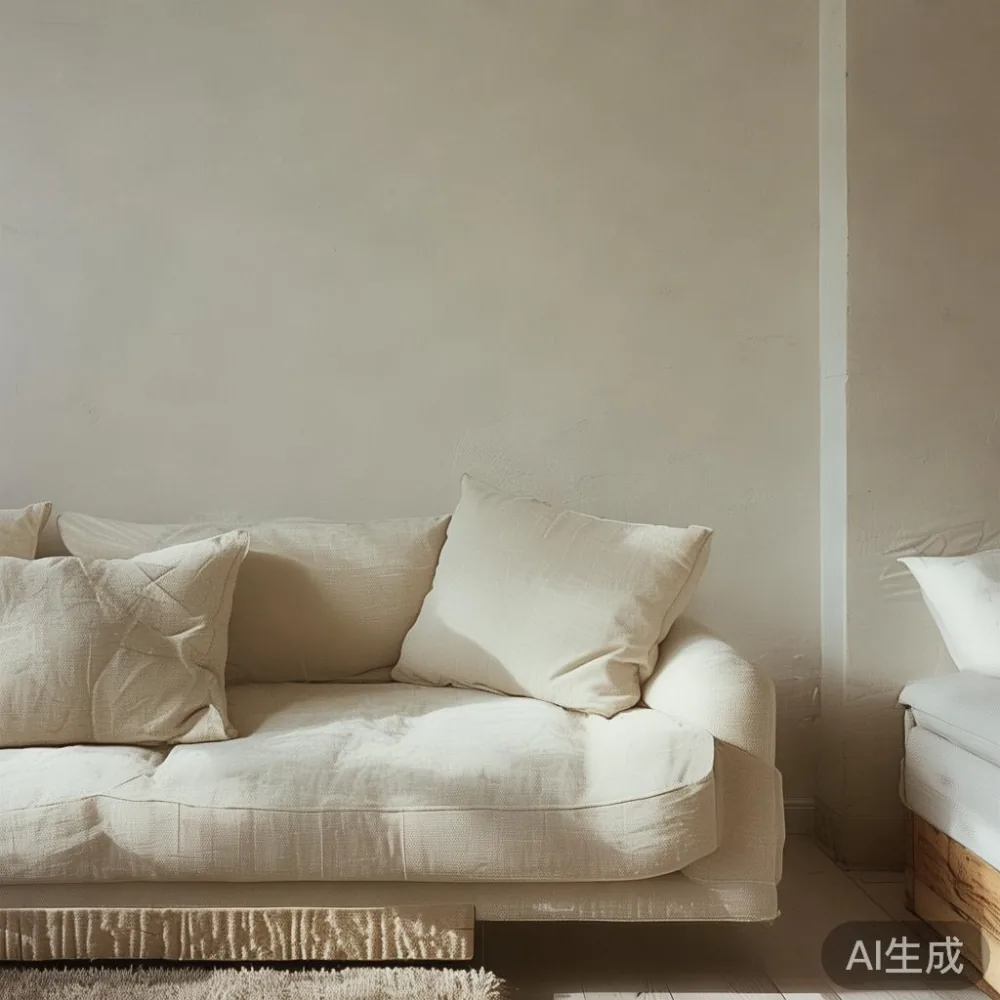
Most of my readers are shopping for a fabric sofa, a bed frame, a dining table, or a wardrobe, and they worry about humidity, yellowing lacquer, sticky air, and the way a glossy surface seems to attract every fingerprint in the household. This article is a field guide to caring for a lacquered surface in a tropical climate, written from a furniture specialist's perspective and grounded in what we actually see at the Foshan factory floor and inside Singapore homes. I'll keep the numbers concrete, the products real, and the steps tested.
What does "lacquered" actually mean on the furniture you already own?
Lacquer, in the furniture sense, is a film finish built up in multiple thin coats, each one cured before the next is sprayed or brushed. On a solid wood dining table or a nightstand, the lacquer you are touching is usually one of three chemistries: nitrocellulose (NC), acid-catalysed (AC), or polyurethane (PU). On a French light luxury sofa frame, on a marble table base, or on a wardrobe door, the resin is often PU because it resists ring marks better than NC. The thickness on a finished surface runs from about 60 microns on a low-sheen dining table to 180 microns on a piano-black wardrobe panel. Knowing which finish you have changes how you clean it, because NC is sensitive to alcohol, while PU tolerates a dilute isopropyl wipe.

Solid wood behaves differently from MDF or plywood under lacquer. A 100% solid oak dining table expands roughly 2-3 mm per linear metre across the year as Singapore's relative humidity drifts between about 60% in air-conditioned rooms and 85% on a monsoon afternoon. Lacquer is rigid, so the wood moves underneath and the film flexes with it. That is why a tiny crack at a joint is not a defect, it is the wood breathing. The trick is to keep the movement within a band the lacquer was designed for.
Why is Singapore's climate unusually aggressive on lacquer?
Three numbers explain most of the damage we see. The average annual relative humidity in Singapore sits between 78% and 82%, well above the 50-55% range that European and American finishing rooms are tuned for. The mean daytime temperature is around 27-29°C, and the surface temperature of a dark wardrobe panel facing a west window can climb past 45°C during a July afternoon. UV index peaks above 11 in March and September. Put those three together and lacquer is being asked to handle swelling wood, soft film softening, and rapid photodegradation simultaneously, an unkind combination.
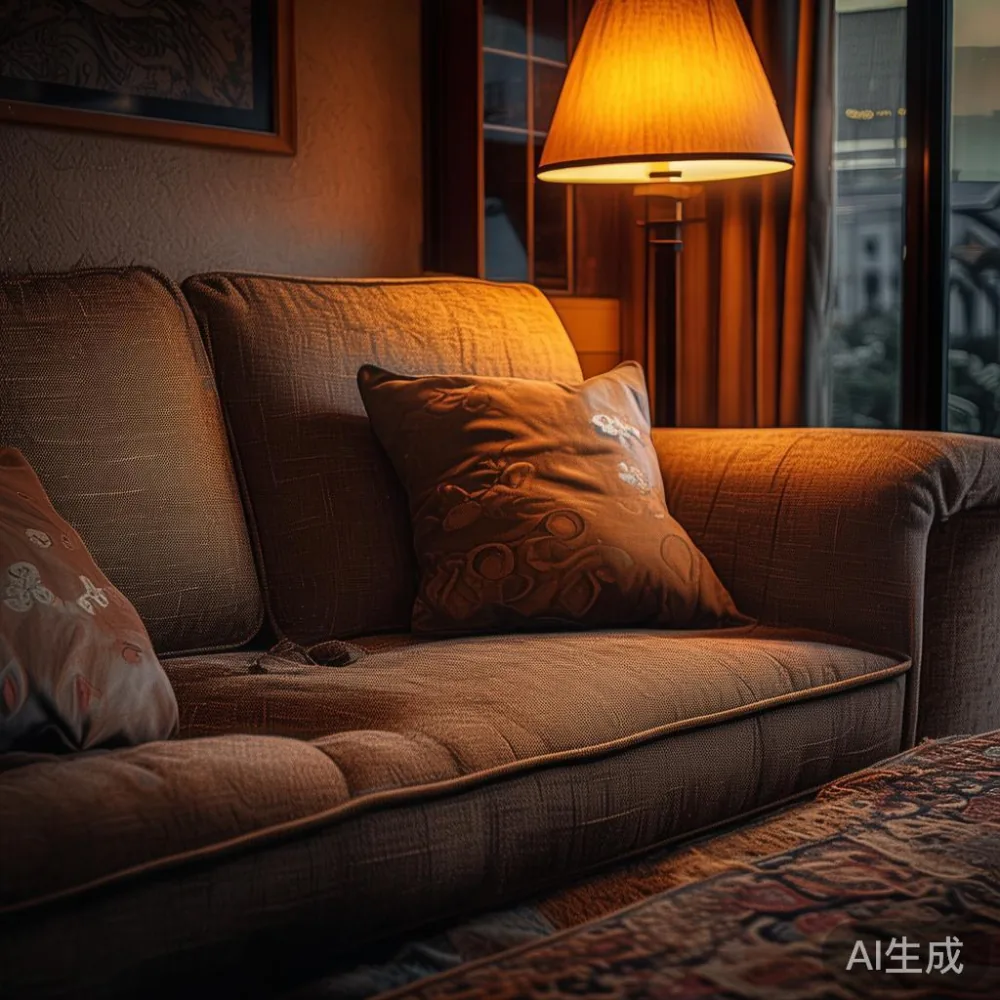
Then there is the salt. Singapore's air carries chloride particles from the Straits of Johor, and they settle on every horizontal surface. On a marble table or a lacquered console, you see it as a faint white bloom that returns within hours of wiping. Salt plus moisture plus warmth is also the recipe for the dull grey haze that builds up on polyurethane within 18-24 months if the surface is never waxed. A typical Tampines family room, with doors opened to the balcony for four hours a day, will accumulate that haze in less than a year.
How should you clean a lacquered surface every week?
Use a microfiber cloth, 40-50 gsm weight, dry or with a barely damp second cloth wrung out so hard that no water drips when you shake it. Wipe in the direction of the wood grain, not across it. For a fabric sofa within arm's reach of the lacquered coffee table, the bigger risk is dye transfer from indigo denim and from dark cushions covers; keep the table's lacquer at least 8-10 cm away from the cushion line so fabric fibres do not brush it every time someone sits down. A weekly routine that takes 4-6 minutes per piece is enough.
Once a month, use a dedicated PU-safe furniture polish. Apply a coin-sized amount, around 2 ml, onto a clean cloth, not onto the wood, and buff until the cloth glides without drag. Avoid silicone-heavy sprays sold for general household dusting; they build up a waxy film that yellows under UV within 6-9 months and then has to be stripped with mineral spirit. On a light-luxury piece in a French light luxury finish, where the sheen is meant to read as soft pearl rather than glass, a build-up of silicone will undo the entire aesthetic.
What is the safest way to handle spills and ring marks?
Blot, do not wipe. A water ring on a dining table after a kopi cup has sat there for 40 minutes is usually a mark in the wax layer above the lacquer, not in the lacquer itself. Place a clean cotton tea towel over the mark and press a warm iron (medium setting, no steam) onto the towel for 8-10 seconds. The heat re-melts the wax and the towel absorbs it. Repeat with a fresh section of towel up to three times. If the ring remains, move to a paste of cigarette ash and a few drops of mineral oil, rubbed in with a soft cloth along the grain for 30 seconds, then buffed dry. These two methods resolve roughly 80% of ring marks on a solid wood dining table without professional help.
For sticky spills, fruit juice, soy sauce, chili paste from a hawker dinner, lift the residue with a plastic scraper held almost flat, then clean the area with a cloth lightly dampened with a 1:10 mixture of isopropyl alcohol to water. Test on the underside of the table or the inside back of a wardrobe door first. If the finish softens or dulls within 10 seconds, stop, that is an NC lacquer and alcohol will pit it. Switch to a cloth dampened only with water and a drop of pH-neutral dish soap, then dry immediately.
How often should you refinish, and what does it cost in SGD?
A lacquered surface that is cared for weekly will look fresh for 4-5 years before it needs anything beyond polish. A full refinish, stripping back to bare wood, sanding through 120, 180, 240, and 320 grit, sealing, and spraying two coats of PU, runs about SGD 28-45 per square foot of surface area in Singapore, inclusive of labour and GST at 9%. For a standard 1.4 m by 0.9 m dining table top, that works out to SGD 350-560 per piece. For a six-door wardrobe, expect SGD 1,800-2,800 depending on access, because the crew has to mask the interior and tape off any fabric panels.
MIDHILL's lifetime refinishing service is one of the few factory-backed programmes that holds up to scrutiny in this category; we have refinished pieces that left our Foshan factory floor 14 years ago and the wood underneath is still the original rubberwood or ash. The turnaround in Singapore, collection plus redelivery, is 21-28 working days. If you are weighing whether to refinish or replace, take a coin and press it gently against a hidden corner: if the lacquer cracks rather than dents, the film is end-of-life and refinishing makes sense; if it just dimples, the film still has 2-3 years of useful life left.
How do I stop lacquer from cracking in an HDB without a dehumidifier?
This is the question I get most often from readers in older Tampines and Bedok blocks, where the whole-house dehumidifier is either too loud for the bedroom or simply not in the budget. Two habits make the largest difference. First, keep the bedroom door closed when the air-con is on, so the room stabilises at 22-24°C and around 55% RH, and the wardrobe doors do not see a 25-point humidity swing every time someone walks past. Second, leave a 3-4 cm gap behind every wardrobe and tall cabinet, not 1 cm, not flush to the wall, because air needs to circulate. On a recent site visit to a Punggol BTO, I measured the gap behind a poorly fitted wardrobe at 0.5 cm; the back panel had black mildew spots within eight months. After we re-installed the unit with a 4 cm gap and added two 4 mm vent holes at the top and bottom of the side panel, the next inspection at 14 months showed no new spotting.
For readers without a dehumidifier, a 1 kg carton of calcium chloride desiccant in the wardrobe, replaced every 6-8 weeks during the wet season, will pull the local humidity down by 8-12 percentage points. Cost: SGD 6-9 per carton, available at any NTUC. Combined with weekly airing of the wardrobe for 20 minutes on a sunny afternoon, the inside climate moves from dangerously to acceptable for lacquer. If you are thinking about a japanese wardrobe for a small HDB bedroom, the sliding-door format is also easier on a tight lift because the doors ship separately and the carcass comes apart into two or three pieces under 1.8 m each, which is the practical answer to the question is Japanese wardrobe worth it for a 4-room flat where the lift is 1.1 m wide.
What about the pieces next to the fabric sofa, and do finishes clash?
Pairing a fabric sofa with a lacquered coffee table is one of the most common combinations we ship from the Foshan factory, and it works, but only if the gloss levels are managed. A high-gloss black marble table next to a matte-weave fabric sofa is a calmer pairing than a high-gloss table next to a chenille sofa with built-in sheen. On the American light luxury end of the spectrum, designers tend to drop the lacquer to a 10-15% sheen so it reads as warm rather than wet; on the post-modern light luxury side, the lacquer is held at 60-70% sheen and the fabric is dropped to a flat linen-look weave. The clash happens when both surfaces fight for the same gloss, which is why we ship samples of both before finalising a fabric sofa order that touches a lacquered console.
For style, the rule of thumb is to let one surface lead. If the sofa is the statement, choose a low-sheen lacquer on the surrounding tables. If the dining table is the hero, choose a tightly woven, lightly textured sofa fabric that will not compete with the reflection. This is also how to style American bed in bedroom where the headboard is a high-sheen lacquered panel; the bedding should be a matte cotton or linen in a quiet tone, otherwise the eye does not know where to land. The same principle applies when you want to know how to style French provincial bed in bedroom, where the bed frame is a painted rather than lacquered surface, in which case the lacquer belongs on the nightstand or the wardrobe, not the bed.
Mid-century modern pieces and lacquer: do they survive the tropics?
Mid-century modern for office desks and sideboards has become a steady request from our Singapore clients, especially in home-office corners carved out of a 3-room flat. The original teak and walnut pieces from the 1960s were finished with a thin shellac or NC lacquer that does not love 80% humidity. A modern factory reproduction, sprayed with a 2K PU topcoat and backed with a 10-year structural warranty, handles the climate far better. The geometry is forgiving: clean lines, no deep carvings where water can pool, and legs that lift the carcass 12-18 cm off the floor so air moves under it. If you are hunting a mid-century look for the study, ask the supplier for the PU sheen level and the film thickness in microns; anything under 80 microns is too thin for Singapore.
For those weighing a light luxury sofa vs Nordic sofa, the lacquer question is part of the answer. A Nordic sofa typically sits on exposed solid wood legs, often walnut or white-oiled oak, where the lacquer is a thin oil-wax hybrid and the wood is meant to silver with age. A light luxury sofa usually hides the frame, but if you flip it you may find a lacquered plinth or a brushed-brass foot wrapped in a lacquered sleeve. The plinth needs the same PU-safe polish as any dining table, every 30 days, because it sits close to the floor where humidity pools. Pick the aesthetic, then commit to the maintenance routine it implies.
When should you call a specialist rather than DIY?
Three situations call for a workshop rather than a cloth. First, when the lacquer has whitened across a panel wider than 30 cm; that is moisture intrusion in the film and stripping is the only real fix. Second, when a deep scratch goes through the colour layer, not just the clear coat; you will see the wood fibre through the gap, and a touch-up crayon will only mask it for a few weeks. Third, when a heat mark has turned the surface from clear to a milky white that does not respond to the iron-and-towel method after two attempts. In all three, a Singapore workshop will charge SGD 120-220 for an on-site assessment, refundable against the work if you proceed.
For a fabric sofa adjacent to a damaged lacquered panel, ask the workshop to mask the upholstery before any sanding; PU dust is fine and gets into weave fabrics within minutes, after which it is very difficult to fully extract. A competent crew will drape the sofa in 90 gsm non-woven fabric and tape it at the seams. If they do not mention this step, ask them to. A 10-minute masking saves a SGD 200-400 fabric sofa cleaning bill later.
Quick reference for the next 12 months
Weekly: dry microfiber wipe on every lacquered surface, 4-6 minutes per piece. Monthly: PU-safe polish, 2 ml per square metre. Quarterly: check wardrobe back-panel gaps are still 3-4 cm, not pinched by stored items. Annually: a coin-press test on hidden corners, plus a calendar reminder to replace the desiccant cartons. Every 4-5 years: budget SGD 350-560 for a dining table refinish, or SGD 1,800-2,800 for a wardrobe. After 10 years: consider whether the piece still earns its floor space, and if not, MIDHILL's buy-back and refinishing programme will give the wood a second life rather than a landfill trip. After 14 years, the piece has earned the right to be called heirloom, regardless of what the original receipt said.
None of this is complicated, and none of it requires a special tool that does not already live in your kitchen drawer. What it does require is consistency: a 4-minute weekly wipe is worth more than a 40-minute quarterly deep clean, and a properly gapped wardrobe is worth more than a stronger polish. Care for lacquer as you would care for a watch, lightly, often, and without panic, and it will outlast every fabric sofa you ever place beside it.