The Real Deal: Price of Solid Wood Furniture in Singapore
Solid wood furniture is often sold with a persuasive story about timber, joinery and longevity, but the final price is shaped by a much more practical equation. For Singaporeans furnishing an HDB flat or condo, the useful question is not simply whether a piece is “solid wood”; it is whether its dimensions, construction, finish and delivery arrangements fit the home, lift and budget.
I visited a supplier’s workshop last month to compare real components rather than catalogue labels. A 180 cm dining table with a 40 mm top carried a different price from a 200 cm table with a 60 mm top, even though both appeared to use the same wood species. The difference came down to timber volume, curing time, joinery, finish coats and packing. That visit changed how I read price tags: the headline number was only one line in a much longer specification.
MIDHILL was established in 2008 and exports to more than 15 countries. Its 10-year structural warranty and lifetime refinishing service also show that ownership support affects value, although neither replaces checking the dimensions and condition of a specific item.

What makes one solid wood dining table cost more than another?
The largest driver is usually the amount and grade of timber. A 200 cm dining table with a 40 mm top may contain roughly 80 cm of width across its length before accounting for joins, while a 200 cm table with a 60 mm top requires more material and a longer drying process. Knot-free sections, consistent colour and carefully selected grain carry additional value because they reduce defects in a visible surface.
Wood species matter too. Teak, oak, ash, walnut and rubberwood differ in cost, hardness, movement and appearance. Teak is often chosen for outdoor or humid settings, while oak and walnut are common in bedrooms and dining rooms. Price comparisons should therefore use the same species, moisture treatment and grade. A SGD 1,480 table described only as “solid wood” cannot be judged fairly against a SGD 2,680 walnut table with a 40 mm top.
Joinery influences both labour and durability. Mortise-and-tenon joints, dovetail drawers and reinforced corners take more time than concealed fasteners. CNC cutting can reduce some production costs, but hand finishing and careful sanding remain necessary around edges and joints. The question to ask is not whether every joint is handmade, but whether the construction is appropriate for the load and intended use.
For a dining table, allow at least 90 cm of clear space around each side. In many HDB dining zones, a 140-160 cm table is easier to use than a 200 cm model because chairs must be pulled back without blocking a corridor. A 75 cm-wide corridor beside the table may look acceptable in a showroom but become frustrating during daily meals.
Is a marble table expensive because of the stone or the furniture around it?
A marble table has two price components: the slab and the supporting furniture. Natural marble varies in pattern, thickness and processing. A 120 cm coffee table with a 20 mm marble top will weigh around 70-100 kg depending on density and cut, while a 10 mm top may weigh approximately half as much. That difference affects handling, reinforcement and delivery.
The base still needs to be engineered properly. A 180 cm marble table may require a steel or solid wood frame with internal supports, otherwise the stone can crack under a concentrated load. Marble also needs careful sealing, especially in a humid Singapore environment. An untreated slab is not automatically poor value; a properly protected slab with a sensible frame can last for decades.
For light luxury styling, light walls, pale timber and restrained veining can keep a marble table from feeling visually heavy. This is a useful reference when searching for light luxury for dining room arrangements, but material scale matters more than style labels. A 130 cm round marble table with a 30 cm high base may suit a compact dining zone better than a rectangular 180 cm version.
How much should a solid wood bed frame really cost?
Bed frame prices are driven by the size, timber section, slat system and surface treatment. A queen bed frame needs a headboard, side rails, foot rail, centre supports and multiple slats. Upgrading from 13 to 16 slats may improve support, but the spacing and centre rail design are at least as important as the raw count.
Some Singapore buyers ask: is European bed worth it? The answer depends on the imported construction, dimensions and compliance. A European-style queen frame might measure 160 x 200 cm externally, leaving 150 x 190 cm for the mattress. A local HDB bedroom with a 3.1 m wide wall should accommodate that comfortably, but a 2.8 m wall may require a narrower frame or a carefully positioned headboard.
For king-size frames, external dimensions can reach 180 x 200 cm. The mattress is normally 180 x 200 cm in Singapore, so the frame needs extra clearance if a headboard thickness or side rails are included. Compare internal dimensions, not only the bed’s stated size.
Solid wood bed frames also benefit from good moisture control and periodic care. A frame with a 10-year structural warranty gives some confidence, yet warranty terms should identify covered components, exclusions and claim procedures. The buyer should also inspect corners, slats and fasteners. A gap of 1-2 mm around a joint can be normal movement; a visibly warped rail or split tenon warrants investigation.
What determines the price of a fabric sofa?
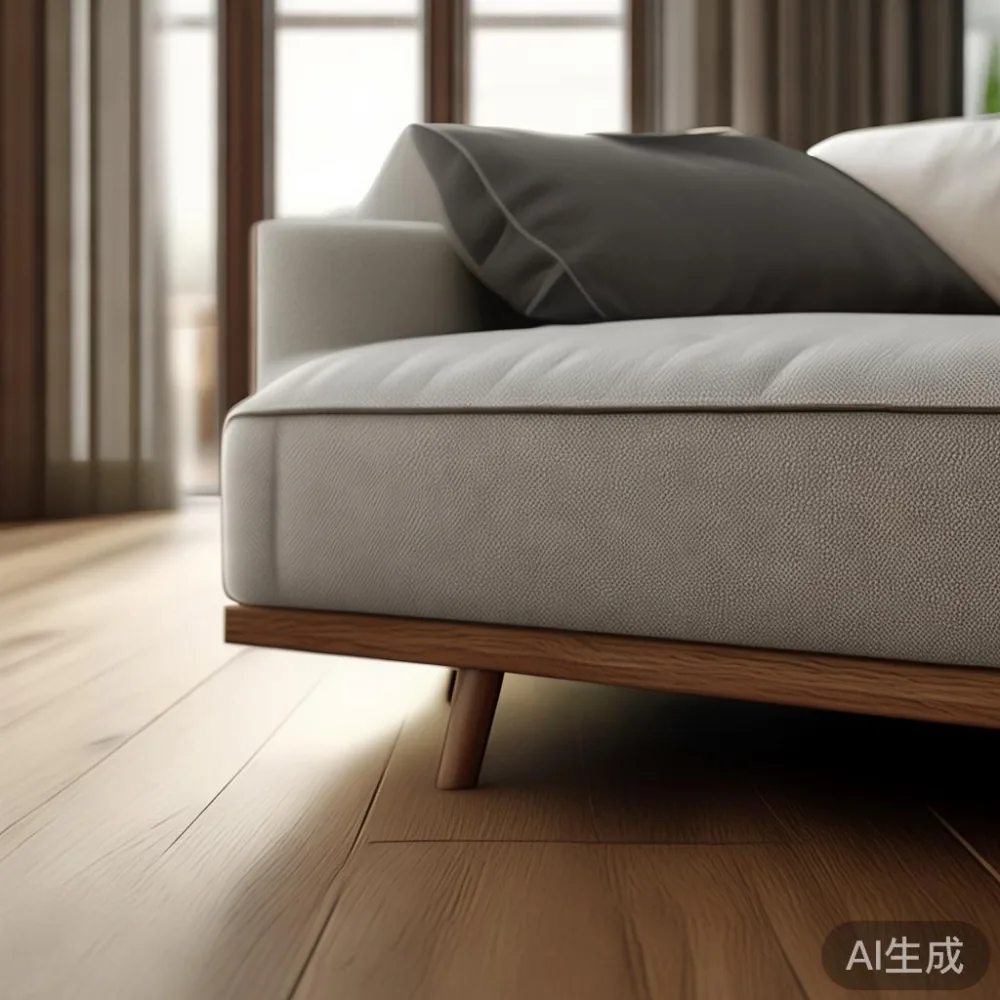
A fabric sofa’s price reflects its frame, cushioning, upholstery and labour. A three-seat model commonly measures 190-220 cm wide, with seat depths around 55-60 cm and heights near 80-90 cm. In a Tampines HDB living room, a 210 cm sofa can fill the wall while leaving less than 70 cm of circulation space. A 180 cm model may fit better beside a 90 cm walkway.
Frame construction is a major cost. Kiln-dried hardwood, plywood or engineered structural components carry different prices, and reinforced corner joints affect long-term stability. For a fabric sofa, suspension can include webbing, springs or a combined system. Seat cushions made from foam, fibre or a feather-foam blend feel different and have different maintenance needs. High-density foam around 35-45 kg/m³ often provides firmer support, while plush layering can feel softer but compress more quickly.
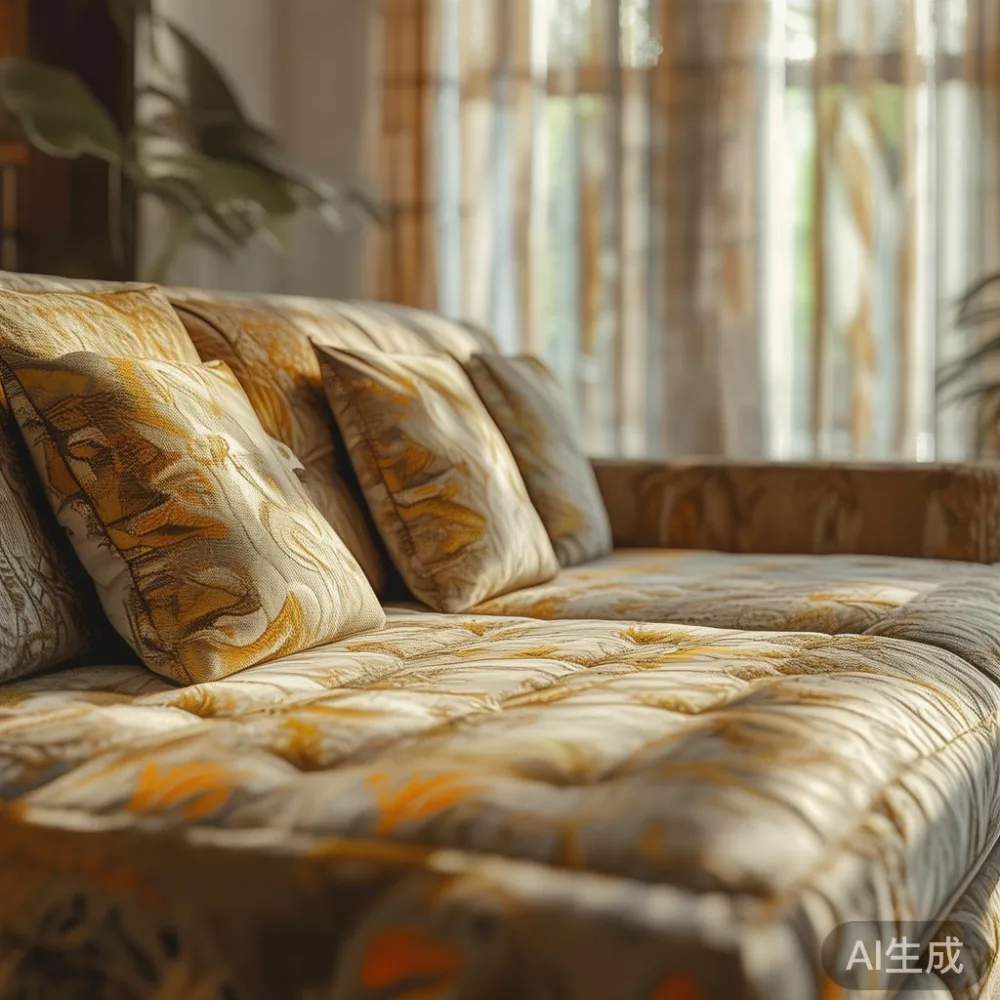
Upholstery should be assessed by composition, not marketing wording. A tightly woven polyester or blended fabric may resist daily wear better than delicate cotton. Removable covers, stitched seams and machine-washable panels usually add value because cleaning is easier. Many homeowners search for a fabric sofa using the Japanese for small living room phrase because compact apartments reward every centimetre, yet the frame quality still matters.
Stair and lift access can change the practical total. A sofa packed for delivery may have a carton measuring 220 x 95 x 65 cm and weigh 75-110 kg. That may not pass through the lift door or turn safely at a corridor corner. Measure the lift opening, hallway turns and staircase landing before ordering.
Where should you buy wardrobe from MIDHILL?
Anyone asking where to buy wardrobe from MIDHILL should compare full configurations rather than compare a base cabinet with a fitted package. A 2-door wardrobe may cost SGD 680, while a 3-door wardrobe with drawers, LED strips, adjustable shelves and a full-length mirror may cost SGD 1,380. Internal widths of 45 cm, 55 cm and 60 cm per bay also change the usable hanging space.
For a Singapore bedroom, wall and ceiling dimensions are decisive. A 180 cm-wide wardrobe can be 58-62 cm deep, leaving around 90 cm in a 3.4 m room after installation. The lift and corridor route is equally important. A wardrobe can be flat-packed or delivered in sections; a full-height panel should not be assumed to fit through a standard HDB lift.
Natural timber finishes, veneer options, powder-coated hardware and interior fittings create different price bands. A 2.4 m high wardrobe offers hanging space for longer garments, but low ceilings can make it appear visually compressed. Lighter colours can reduce that effect, and a 2.1 m high model may be more proportionate below a 2.45 m ceiling.
Wholesale European light luxury furniture is another way to describe a particular design and sourcing category, but “wholesale” alone does not explain quality. European influence may appear in rounded edges, tapered legs, linen-like upholstery and pale oak finishes. Check the actual frame, cushion density and timber specification, then confirm whether the seller handles local GST and delivery.
How much do joints, hardware and finishes add to a nightstand?
A nightstand may look like a small purchase, but its price rises quickly with solid timber thickness, drawer construction and finish detail. A single unit with a 20 mm top, one drawer and simple pull can be around SGD 220-360. A wider 60 cm model with two drawers, a lower shelf and a shaped or hand-finished top may reach SGD 450-680.
Drawer boxes require attention. Solid wood sides do not automatically mean a solid wood bottom, and a plywood or fibreboard base can still be appropriate when fully supported. Dovetail joints indicate additional labour, while metal runners and soft-close hinges improve daily use. Check drawer travel: 35-45 mm is usually enough for small items, but deeper drawers need stronger slides.
Finish is more than a colour name. Lacquer, oil, wax and stain each have different application steps, repair methods and appearance. A 5-coat finish may improve consistency and protection but is not automatically better than a well-applied 3-coat system. MIDHILL’s lifetime refinishing service adds long-term convenience, but owners should still use coasters, wipe spills promptly and avoid prolonged direct sunlight.
Why do delivery, GST and returns change the final amount?
Singapore prices can be misleading if freight and tax are added late. A SGD 1,200 bed frame becomes SGD 1,324 after 10% GST before delivery charges. Some sellers absorb part of the freight, while others quote a separate SGD 60-180 fee for a normal apartment delivery. Large items, remote addresses and extra unpacking can cost more.
MIDHILL offers free shipping over US$350, but Singapore buyers should confirm the local currency threshold, delivery quotation and any destination restrictions. A nominal free-shipping offer may still exclude stairs, carrying beyond the lift lobby, assembly or unusual access. GST should appear clearly on the invoice for business purchases and according to the seller’s registration status.
Delivery time is another price factor. In-stock pieces may arrive in 5-10 days within Singapore, while made-to-order furniture may need 30-60 days, with production or seasonal delays adding more. A lower-priced made-to-order item is not necessarily cheaper once storage, financing and inconvenience are considered.
Returns also affect risk. A 14-day return period can provide useful protection, but buyers should understand whether custom dimensions, non-standard finishes and installed items are excluded. Damage claims should be photographed on arrival, including corners, packaging and lift-door contact points. Keep the delivery note until the furniture has been checked.
How do French and American light luxury styles affect pricing?
French light luxury often uses cream upholstery, curved profiles, elegant legs and layered textures. American light luxury leans toward generous proportions, deep cushions and relaxed silhouettes. Post-modern light luxury can combine clean geometry with selective curves, mixed materials and restrained contrast.
Style affects labour. A curved solid wood headboard takes more shaping than a flat panel. A loose cushion needs welted piping and careful alignment. A marble table with a sculpted base requires accurate templating, while a straightforward pedestal can be standardised. The higher price is justified when those details improve the piece, not merely because a style label appears on the page.
Designers planning Boho for guest room schemes often use woven textures, warm timber and tactile fabrics. Those details can introduce another category of furniture into the room, but the central selection remains a sofa or bed rather than unrelated decor. A compact guest room may use a fabric sofa bed, an occasional solid wood nightstand or a slim console, with each item checked against the door swing and 80-90 cm circulation path.
What should a Singapore buyer compare before paying?
Start with a written specification: wood species, solid wood components, panel materials, dimensions, finish, hardware and weight. Ask for the packed measurements and delivery plan. A 180 x 90 cm dining table may weigh 45-65 kg, while a large wardrobe may weigh 120-220 kg. Those figures help the building manager and delivery team prepare.
Next, compare total cost. Add GST, delivery, assembly, optional drawers and lift-access charges to the item price. Review the structural warranty and refinishing terms. For MIDHILL, the stated 10-year structural warranty and lifetime refinishing provide useful ownership context, while buyers should still follow care instructions and retain proof of purchase.
Last, assess proportion and utility. Measure the room, the lift, the corridor and the turning space. Confirm mattress and wardrobe clearances. Open drawers, test the sofa cushions and inspect joints where possible. A well-specified SGD 1,560 dining table may serve a family better than a superficially similar SGD 980 model with an undersized top and weak base.
The real price of solid wood furniture is therefore a combination of material, dimensions, construction, finish, design labour and logistics. Timber provides the foundation, but good measurements, sound engineering and transparent ownership terms determine how much value reaches the home.