Veneer vs. Solid Wood: 5-Year Cost Breakdown for Singapore Homes
Choosing a solid wood sofa, bed frame, dining table, wardrobe, or nightstand is rarely a simple decision about the purchase price. In a Singapore HDB flat or condo, the real financial question is what the furniture will cost over 5 years, including maintenance, repairs, delivery constraints, replacement parts, and the possibility of refinishing rather than disposal.
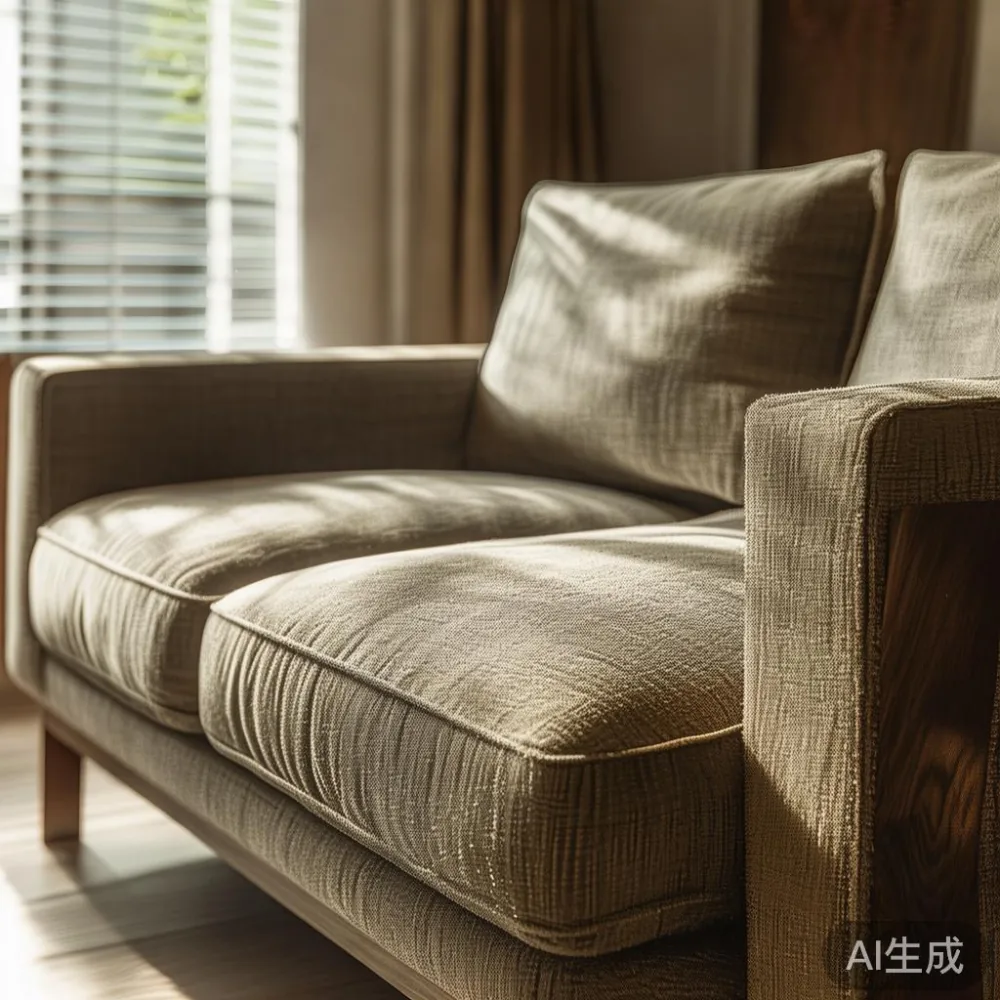
This comparison uses realistic Singapore prices in SGD, including 9% GST where relevant. It treats veneer as an engineered wood panel covered with a thin layer of timber or decorative facing, and solid wood as furniture made primarily from solid timber components. The figures are planning estimates rather than quotations, because dimensions, timber species, finishes, hardware, and access conditions can change the final cost.
For a compact fabric sofa, the starting examples are SGD 1,650 for a veneer model and SGD 2,450 for a comparable solid wood model. For a 180 cm bed frame, expect roughly SGD 980 for veneer and SGD 1,780 for solid wood. A dining table can range from SGD 1,280 to SGD 3,650, while a two-door wardrobe starts around SGD 1,180 for veneer and SGD 2,380 for solid wood. A nightstand may begin at SGD 260 versus SGD 480.
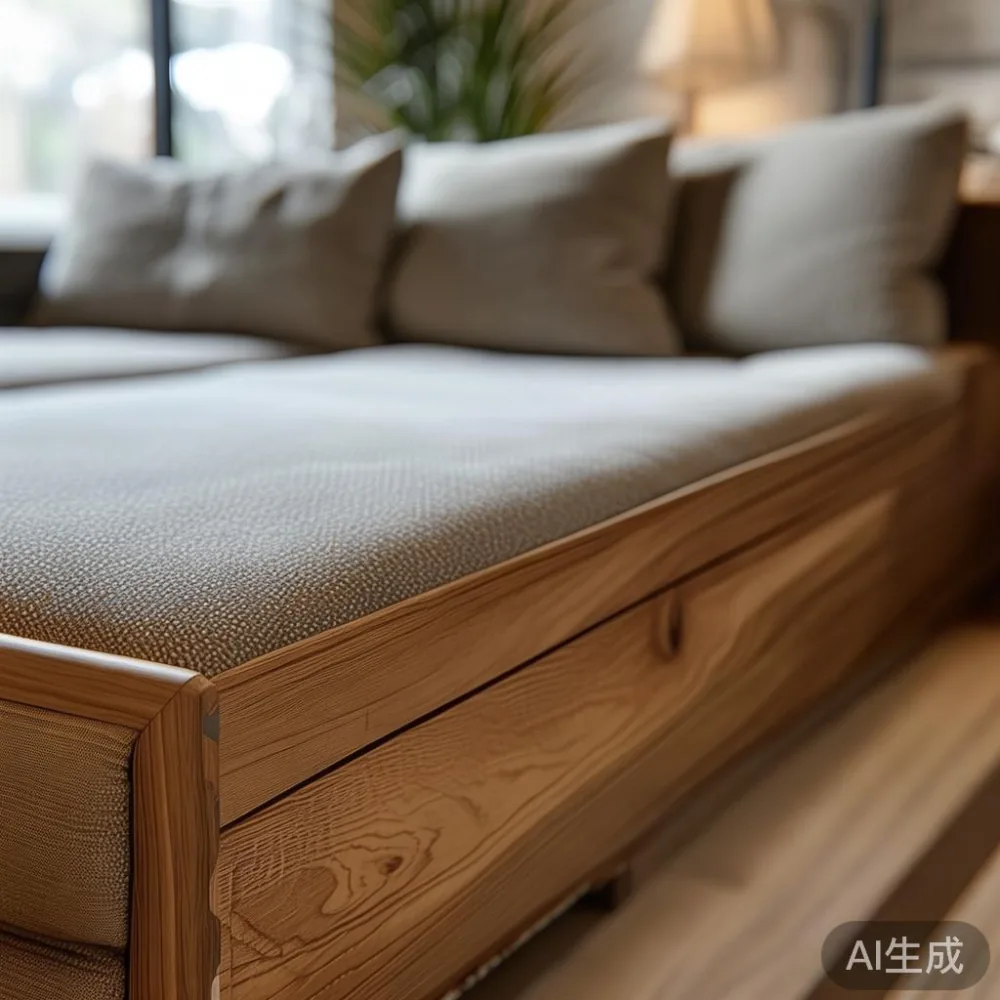
The key difference is not simply whether one option looks more substantial. It is how each material behaves in a humid environment, how easily a mover can carry it through a lift or corridor, and what happens when a child, pet, or daily routine creates a scratch, swelling mark, or damaged joint.
What Does 5-Year Ownership Actually Cost?
For a fair comparison, include the purchase price, GST, delivery, installation, protective treatment, repairs, and likely refinishing work. Singapore’s tropical humidity makes controlled indoor conditions important. Relative humidity around 50% to 65% is generally more comfortable for timber, although exterior conditions and building ventilation can affect furniture quickly.
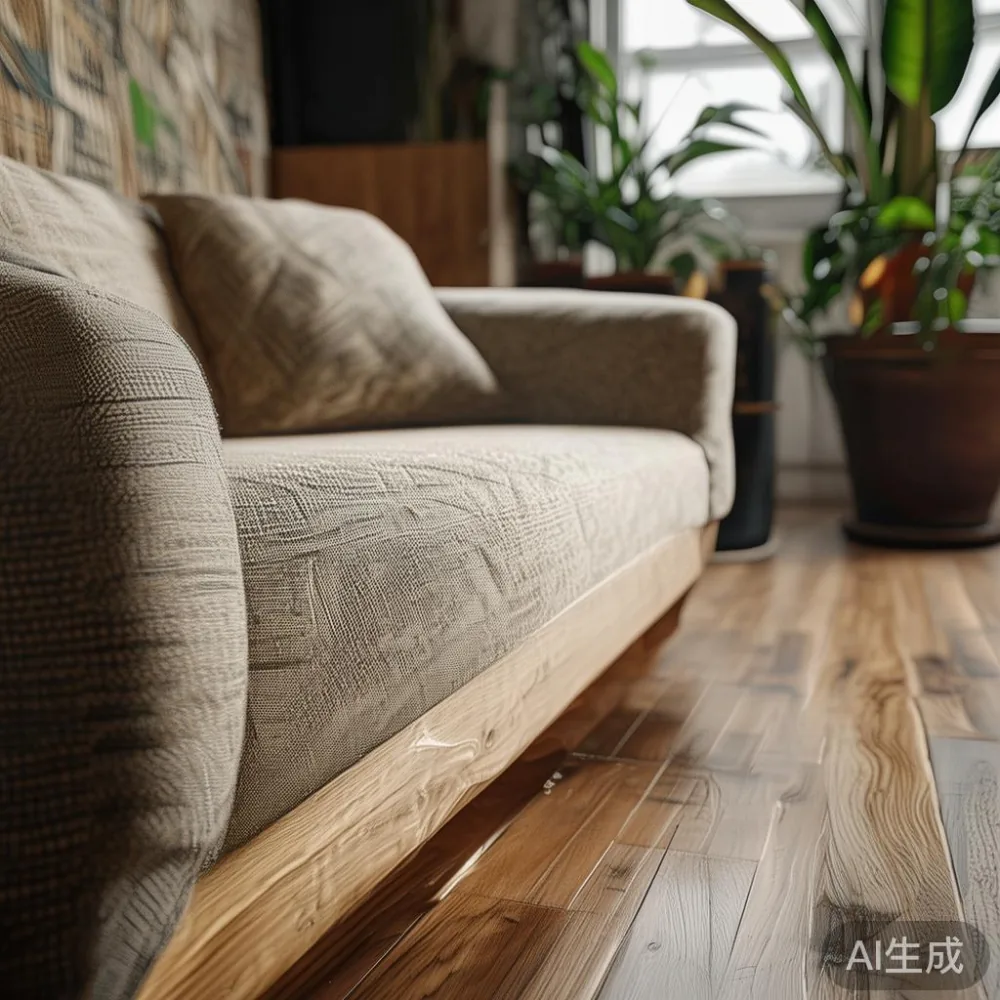
Consider these sample assumptions for one HDB living room:
- Fabric sofa, 210 cm: veneer purchase price SGD 1,650; solid wood purchase price SGD 2,450.
- Bed frame, 180 cm: veneer purchase price SGD 980; solid wood purchase price SGD 1,780.
- Dining table, 160 cm: veneer purchase price SGD 1,280; solid wood purchase price SGD 3,650.
- Wardrobe, 120 cm wide: veneer purchase price SGD 1,180; solid wood purchase price SGD 2,380.
- Nightstand, 50 cm: veneer purchase price SGD 260; solid wood purchase price SGD 480.
At a 9% GST rate, the five-piece veneer basket is SGD 5,350 before GST and SGD 5,831.50 after GST. The solid wood basket is SGD 10,740 before GST and SGD 11,706.60 after GST. The initial difference is SGD 5,875.10.
Now allow SGD 180 for delivery and carrying charges on a typical HDB order, plus SGD 95 for installation and protection products. Add an average of SGD 310 over 5 years for veneer repairs or one partial refinishing service, compared with SGD 145 for solid wood touch-up work. Under these assumptions, total 5-year spending is approximately SGD 6,416.50 for veneer and SGD 12,126.60 for solid wood.
Veneer remains lower in this example. However, a low-cost veneer product that cannot be repaired may still cost more over time if a damaged panel requires a whole cabinet, drawer, or sofa base replacement. Solid wood usually offers more repair opportunities, but that benefit only appears when scratches and joint movement are addressed promptly.
How Does Veneer Behave in a Singapore Home?
Veneer can be an excellent choice for a first home, rental flat, or frequently changed interior. Its engineered core helps maintain shape across a large panel, and a 210 cm fabric sofa may weigh approximately 58 kg. A comparable solid wood sofa can weigh 84 kg, depending on the frame and cushion construction.
Weight matters in HDB towers. A standard HDB lift may have an internal depth of about 135 cm and a door opening near 90 cm, though individual blocks vary. A 220 cm solid wood dining table will not fit through a 90 cm opening when carried upright without specialist angling. A veneer table with a knock-down base may arrive in two pieces and take about 20 minutes to assemble.
Veneer’s weak point is usually the edge or surface facing. A 1.2 mm laminate may blister after repeated moisture exposure, while a 0.6 mm hardwood veneer may mark more easily but can sometimes be sanded. Small chips can sometimes be filled with matching resin and touched up. Deep moisture damage to the particleboard or MDF core is less economical to repair.
Solid wood can also move. A solid timber panel may expand by several millimetres across its width as humidity changes, so a wardrobe door may need adjustment after a wet monsoon period. The difference is that a solid rail, leg, or drawer side can often be planed, patched, or refinished without replacing the entire component.
For families in Tampines, Bedok, and Punggol condos, ask for the panel construction before paying. A useful specification is “18 mm engineered board, balanced core, sealed underside, replaceable edge band.” For solid wood furniture, request the species, moisture treatment, joinery, and finish details rather than relying on a broad “wooden” label.
Is Solid Wood Always the Better Long-Term Investment?
No. Solid wood can make financial sense when the piece is heavily used, kept for more than 10 years, or designed to accept refinishing. A solid wood dining table that survives daily meals, children’s homework, and weekend gatherings may retain value better than a thin veneer table that is moved every 2 years.
For example, a veneer dining table bought for SGD 1,280 may need one tabletop replacement at SGD 620 in year 3, plus SGD 90 for transport. Its 5-year cost becomes SGD 1,990 before GST-related calculations. A solid wood table bought for SGD 3,650 may require SGD 450 of sanding and refinishing in year 4. Its 5-year cost is then SGD 4,100. The solid wood option is still more expensive in this case, but it remains repairable.
Here is a practical 5-year model for a 180 cm bed frame. A veneer frame at SGD 980 may require SGD 120 of hardware replacement and SGD 70 for surface repair, producing SGD 1,170 before GST. A solid wood frame at SGD 1,780 may receive SGD 180 of refinishing and SGD 40 of joint maintenance, producing SGD 2,000. If the household expects to keep the bed beyond year 5, the solid wood cost may spread across 10 or 15 years.
The result changes if a veneer bed is damaged by water and the headboard or side rail delaminates. A full replacement could add SGD 900. Solid wood would more often need a smaller repair, perhaps SGD 250. This is why the material, construction, and location of damage matter more than a brand name.
How Do Light-Luxury Styles Affect the Decision?
Style affects the quantity of wood, the visible surfaces, and the maintenance plan. French light luxury often combines pale oak or ash tones, curved profiles, upholstered details, and restrained ornament. American light luxury leans toward generous proportions, clear silhouettes, and a fabric sofa with broad arms or a buttoned back. Post-modern light luxury may mix warm timber with stone, metal, or geometric forms.
If your interest is in the best Mid-century modern furniture, look for tapered legs, clean lines, durable joints, and surfaces that can be repaired rather than fully covered with decorative layers. A solid wood bed frame in this style should have visible grain, rounded corners, and replaceable hardware. If your search includes the best light luxury bed for 2026, compare the bed’s center rail, slat spacing, floor clearance, and finish warranty alongside its material.
For a fabric sofa, the timber frame should be checked separately from the upholstery. A solid wood base can be paired with removable fabric covers and replaceable cushion foam. Ask whether the cover can be washed at 30°C, whether the foam is compressed to 42 cm, and whether the frame warranty covers joints for 10 years.
Marble or marble-look tables require a different comparison. The visible surface may be engineered stone rather than natural marble, so ask for the substrate, weight, edge profile, and cabinet support. A 120 cm marble table can weigh 68 kg, while a similar solid wood dining table may weigh 42 kg. Neither should be carried by one person through a narrow HDB corridor without checking the route.
How Do Delivery, Lifts, and Corridors Change the Cost?
Delivery is often a larger immediate expense in Singapore than buyers expect. A van delivery within Singapore may cost SGD 80 to SGD 160 for a small item, while a large wardrobe or table may cost SGD 180 to SGD 320. Lift booking, carrying up stairs, and narrow-turn surcharges can add SGD 45 to SGD 140 per trip.
Measure the route before ordering. For a condo in Punggol, confirm the loading bay lift dimensions, parking bay clearance, lobby turn radius, and the distance from the service lift to the door. Allow at least 10 cm of extra room when turning a long package. A 200 cm solid wood wardrobe may need two installers, whereas a flat-pack wardrobe may need only one installer and 35 minutes of assembly.
Delivery speed is also relevant. A local stock item may arrive within 3 to 7 days after payment, while a made-to-order fabric sofa may take 30 to 45 days. A custom solid wood dining table can take 6 to 10 weeks. Production delay changes cash flow even when the final price remains the same.
For consumers comparing options online, the website www.midhill.co can provide a starting point for dimensions, finishes, and product specifications. Still, the final quotation should state delivery days, GST, access charges, and the exact timber or veneer construction.
What Is the Real Difference Between Veneer and Solid Wood Furniture?
Veneer is not automatically fragile, and solid wood is not automatically maintenance-free. A well-built veneer wardrobe with sealed edges and a stable core may last 8 to 12 years with sensible care. A poorly finished solid wood dining table may show checking, fading, or joint movement within 3 years.
Compare the five pieces under one household scenario. A veneer fabric sofa, dining table, wardrobe, bed frame, and nightstand cost SGD 5,350 before GST. With maintenance, delivery, and installation, the estimated 5-year total is SGD 6,416.50. The solid wood equivalent is SGD 10,740 before GST and about SGD 12,126.60 after estimated care and delivery.
The saving from choosing veneer is approximately SGD 5,710.10 in this model. That saving could cover a full replacement fabric sofa cushion set, two years of electricity for a bedroom air conditioner, or the cost of an additional weekend renovation project. Solid wood may justify a higher starting price if you value repairability and plan to keep each item for 10 years or more.
For a wardrobe, the phrase how to choose French wardrobe is useful only when it leads to practical checks. Measure a 120 cm opening, inspect the hanging rail spacing, test the soft-close hinges through 10 cycles, and confirm the door swing in the bedroom. For style research, 2026 French provincial furniture and best Boho bed for 2026 can help define finishes, but the timber specification should decide the purchase.
Which Option Suits Different Lifestyles?
A veneer solution may suit a renter, a young family changing homes every 3 years, or a buyer who wants a coordinated fabric sofa without spending heavily on hidden timber. Choose a replaceable cover, sealed edges, and a stable drawer system. Keep the furniture away from air-conditioning vents and direct sun.
Solid wood may suit owners who keep the same bed frame, dining table, wardrobe, or nightstand for 15 years. It is useful in a family that accepts occasional sanding and touch-up. If two children use the fabric sofa daily, choose a tightly woven fabric rated for 30,000 double rubs or more, and keep a spare cover available.
Style labels should not replace measurements. If you are deciding between an American bed vs Mid-century modern bed, compare the headboard height, mattress support, center rail, and under-bed clearance. Both styles may use solid wood, but one may use a slatted base while the other uses a metal or reinforced deck.
For a practical purchasing rule, divide the 5-year cost by the expected years of use. A veneer dining table costing SGD 1,400 over 5 years equals SGD 280 per year. A solid wood table costing SGD 4,000 over 15 years equals about SGD 266.70 per year. At that point, solid wood can be financially reasonable even if its first purchase is higher.
One real experience supports this method. Last month, I visited a colleague’s Bedok HDB flat after her veneer wardrobe door had swollen near the humid side wall. The panel was not structurally destroyed, but the edge had lifted. Refixing the trim and applying a new sealer took 2 hours and SGD 85. In the same flat, a solid wood nightstand had a small white ring mark. It took SGD 35 to sand and touch up. Neither repair was dramatic, yet together they showed why finish quality and moisture placement matter as much as the material label.
How Can You Make the Purchase Decision?
Ask for a written 5-year cost sheet. Record the item price, GST, delivery, stair or lift charges, installation, expected repairs, and refinishing. Include a maintenance reserve of SGD 100 to SGD 300 per large item if you have pets, children, or a home near the coast.
For a fabric sofa, inspect the frame at three points: the front rail, rear support, and leg joints. Look for screws, dowels, corner blocks, or mortise-and-tenon construction. For a bed frame, sit briefly on the edge and test the slats. For a dining table, place a 5 kg weight on the center and check for flex. For a wardrobe, open the doors when the room is more humid and examine whether the panels move inside their channels.
Then decide whether the furniture is being kept for 5 years or much longer. If the answer is 5 years and the budget is fixed, veneer can provide the lower total cost. If the answer is 10 to 15 years, solid wood may be more practical because scratches and worn edges can be repaired. Neither choice removes the need for careful care.
A balanced Singapore plan is often a solid wood bed frame and dining table paired with a well-built veneer wardrobe, or a veneer fabric sofa with a solid wood nightstand. This mixed approach directs spending toward visible, frequently touched surfaces while controlling the cost of hidden panels. MIDHILL’s 10-year structural warranty and lifetime refinishing service are worth comparing against local repair options, but read the warranty terms and confirm which parts are covered.
Finally, account for the whole ownership picture: 3 to 7 delivery days for stock, 30 to 45 days for a made-to-order fabric sofa, 14-day returns where applicable, and shipping thresholds that may or may not apply to bulky Singapore furniture. A lower material cost is useful only if the item arrives safely, fits through your building, and remains usable after humid seasons.
What Questions Should You Ask Before Paying?
Ask whether the furniture is solid wood, veneer, engineered board, or a combination. Request the panel thickness, timber species, moisture treatment, edge sealing, joinery, finish type, and expected maintenance interval. For a fabric sofa, ask for cover removal instructions, cushion density, frame weight, and replacement-cover availability.
Ask whether refinishing covers scratches, water marks, and joint repairs, or only surface color changes. Confirm the delivery date, access surcharge, GST treatment, assembly time, return condition, and warranty exclusions. A transparent seller should provide these details in a quotation rather than after delivery.
The 5-year comparison is therefore not a contest between two fashionable labels. It is a decision about use, repairability, logistics, and time. Veneer can lower the starting price; solid wood can lower the risk of replacing an entire item. Measure the room, read the specification, and select the option whose expected cost matches how long you intend to keep the furniture.