Maintaining Lacquered Furniture in Singapore’s Humid Weather
Singapore’s warmth can be pleasant indoors, but constant humidity, sunlight and condensation place daily pressure on lacquered furniture. A high-gloss finish may look immaculate in a showroom, yet the same finish can develop haze, fine scratches or dull patches beside an HDB window or in an air-conditioned condominium. Proper care is less about avoiding the climate and more about controlling the conditions around each piece.
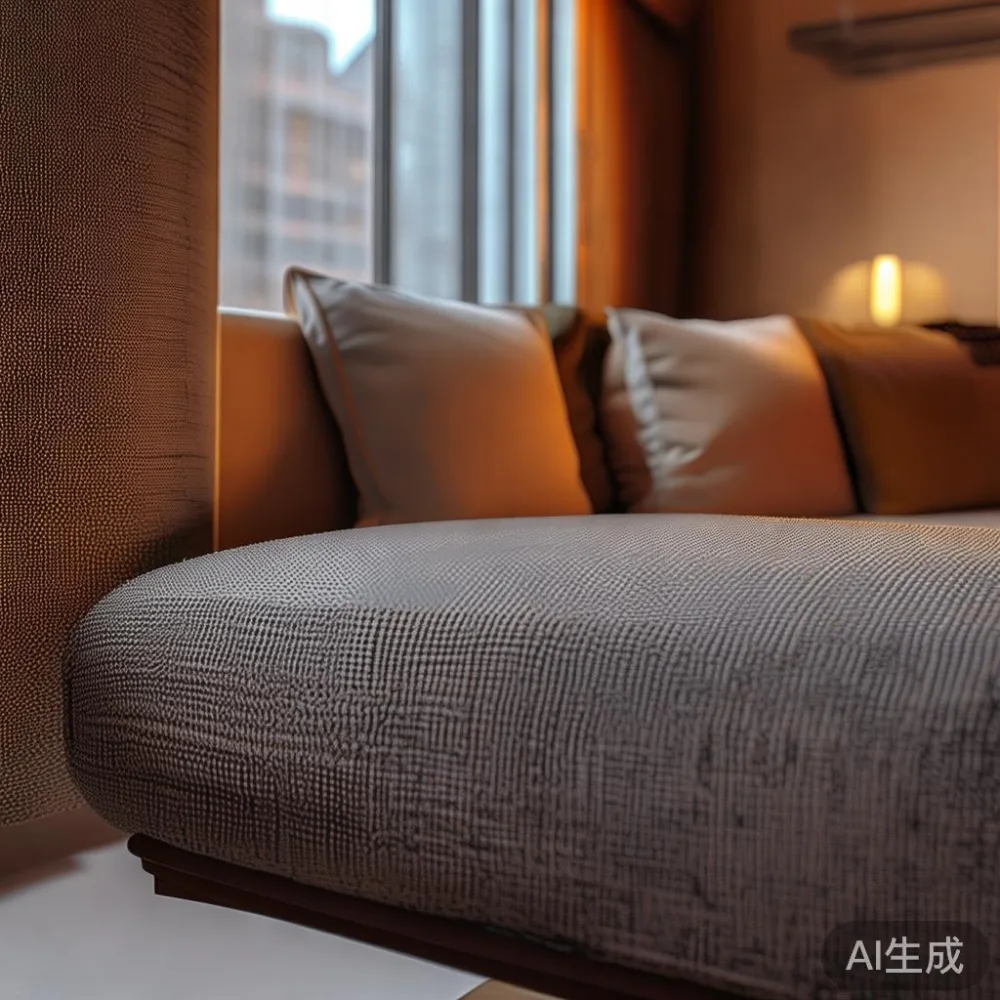
For homeowners looking for a lacquered solid wood sofa, the material beneath the coating still matters. A stable timber core, controlled factory finishing and sensible routines after delivery help protect the appearance. For example, the phrase French bed vs Nordic bed comes up when comparing silhouettes, although neither framing should distract from questions of humidity resistance and care. Likewise, anyone searching where to buy bed from MIDHILL should ask for clear lacquer specifications and maintenance advice rather than relying on a style label alone.
Why does lacquer react to Singapore’s humidity?
Singapore’s relative humidity commonly ranges from roughly 65% to 85% through the year. Coastal wind, rain and air-conditioning can create even sharper local changes. A lacquered dining table near a Bedok balcony may encounter moisture from one side and cool, dry air from the other. Repeated expansion and contraction can stress the finish, especially when the humidity changes quickly.

Temperature also affects the result. A surface that feels cool to the touch in the morning may become warm by midday. Western-facing condominium windows can add direct solar exposure, while Tampines and Punggol flats may receive stronger afternoon light depending on orientation and surrounding blocks. These conditions do not automatically mean the coating will fail, but they make a regular maintenance routine sensible.
Understanding the finish is the starting point. Water-based lacquer generally dries through evaporation and may be easier to repair in small areas. Solvent-based lacquer often produces a deeper, smoother sheen but needs more careful handling during application and refinishing. Some furniture uses PU, acrylic or conversion finishes with different resistance levels. Ask the supplier for the exact finish system rather than assuming every glossy surface responds identically.
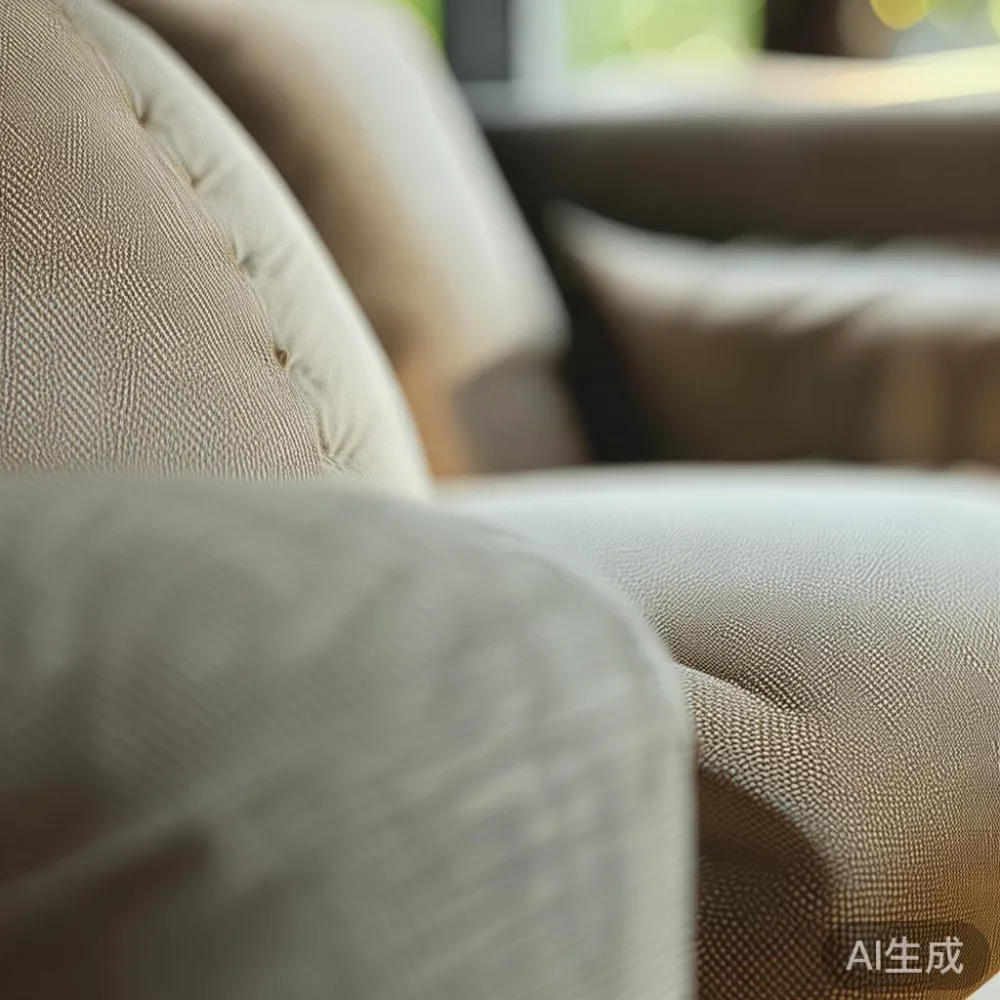
Look for stable solid wood construction beneath the lacquer. A solid wood sofa may use kiln-dried hardwood for its frame, while a lacquered bed frame, wardrobe or nightstand should have components designed to tolerate seasonal movement. Light movement is not always a defect; excessive checking, lifting edges or a rippled coating can indicate moisture imbalance or poor preparation.
How should I clean a lacquered dining table?
Begin with a soft, lint-free microfibre cloth. For routine cleaning, dampen the cloth with plain water and wring it until it is almost dry. Wipe in the direction of the grain or along the coating, then use a second dry cloth to remove moisture. A 30 cm square cloth is useful for a 120 cm table because it reaches narrow areas without spraying liquid directly onto the lacquer.
A mild solution can help with fingerprints, although the cleaner should be diluted and tested first. Mix about 5 ml of gentle pH-neutral dish soap with 500 ml of water. Apply it to the cloth rather than the table, and test a 10 cm by 10 cm patch where the finish is less visible. After wiping, leave the surface dry rather than repeatedly rubbing it.
Keep the table away from hot pans, drink bottles and ceramic ornaments. A ceramic mug weighing roughly 350 grams can leave a ring or scratch if moved across the finish. Use a placemat measuring at least 40 cm by 30 cm and lift heavy objects instead of dragging them. If the table also functions as a marble table with a stone top, follow the stone supplier’s sealing guidance separately; acidic liquids can affect marble even when they do not stain the lacquered base.
What should I do about sunlight and condensation?
Place lacquered furniture at least 1 metre from windows where practical. For a bedroom, this may mean moving a lacquered wardrobe away from direct western light or using a sheer curtain with a visible light transmittance of 40% to 60%. Full blackout curtains offer stronger control but can create abrupt temperature differences when opened during the hottest part of the day.
Inspect condensation points in the early morning. In a Punggol condo, a wardrobe close to an air-conditioning return may collect fine droplets; in an older HDB flat, mould on nearby walls can signal persistent dampness. Dry any condensation promptly and maintain at least 30 cm of clearance from the wall where airflow allows. Do not use a hair dryer at close range, because heat above approximately 40°C can soften or distort some coatings.
Maintain indoor relative humidity between about 45% and 60% where the building’s mechanical systems make that possible. Portable dehumidifiers are useful in persistently damp rooms. A model rated for 20 to 30 litres per day is suitable for many bedrooms, although the correct capacity depends on room size, ventilation and rainfall. Position the unit away from walls and clearances specified in its manual, usually at least 20 cm on each side and 30 cm above, if the model requires an upward outlet.
For anyone comparing European light luxury TV console options, ventilation should be checked before the finish. A console against an external wall may need a gap of 5 cm to 10 cm and discreet wall fixings for safety. French light luxury styling often relies on reflective lacquer, so controlling glare and heat helps retain the intended appearance without excessive buffing.
Can scratches be removed without damaging the lacquer?
Light surface marks can sometimes be reduced with a clean microfibre cloth and a suitable polish, but aggressive compounds can remove the top layer and create a hazy patch. Check the manufacturer’s instructions before applying any product. If the coating is factory-finished, an automotive scratch remover may contain abrasives too harsh for furniture lacquer.
For fine marks, try a clean, white polishing cloth with a very small amount of approved furniture polish. Work over a 5 cm circle with light pressure for no more than 10 to 15 seconds. Stop if the surface warms, smells strongly or develops a visible swirl. Deep scratches that expose timber or a coloured underlayer need professional attention rather than home sanding.
I tested this approach last month on a lacquered side table during a humid week in Singapore. One light mark softened after a single application, while a second pass made the patch look cloudier. The lesson was clear: less product and less pressure produced the more even result. I then wiped the area with a barely damp cloth and allowed 30 minutes for the finish to settle.
MIDHILL offers lifetime refinishing for qualifying furniture, which can be valuable after years of tropical use. Confirm whether the lacquered piece is included, what transport or collection arrangements apply, and whether the refinishing terms cover colour matching. A solid wood sofa should retain its structural integrity even if the surface needs renewal; records of the timber species, finish colour and batch can make a future repair more consistent.
How often should a lacquered surface be maintained?
A weekly wipe-down is usually enough for a lightly used coffee table or nightstand. A dining table may need attention after every meal and a more thorough clean every 2 weeks. Vacuum fabric upholstery with a brush attachment at low suction every 1 to 2 weeks, then blot spills rather than rubbing them. These steps help protect a fabric sofa while keeping lacquered tables and cabinets in the same room in good condition.
Use coasters and placemats, renew them if the edges become chipped, and rotate decorative objects so one area does not fade disproportionately. Check the underside and edges every 6 months for lifting, trapped moisture or insect activity. In a tropical setting, inspect frequently after heavy rain or if a unit has been vacant for 4 weeks or more.
For colour selection, request samples measuring approximately 10 cm by 10 cm and view them in the intended room under daytime and evening lighting. Warm white walls can make pale lacquer appear creamier, while glossy surfaces reflect neighbouring objects. Japanese for small living room is a useful design direction because compact layouts demand visible surfaces, modest proportions and controlled storage; however, the finish specification remains as important as the visual style.
Is European bed worth it for a humid HDB bedroom?
A European-style bed can suit Singapore bedrooms when its proportions, ventilation and finish are suitable. The question of is European bed worth it depends less on a continental label and more on measured fit, stability and after-sales care. Compare the external length and width with the room, leaving at least 60 cm beside the bed for access and around 90 cm along the main side where possible. HDB corridors and older lifts may restrict delivery even when the bedroom itself has enough space.
For a lacquered bed frame, check that headboard panels do not trap moisture against the wall. Allow around 5 cm to 10 cm of ventilation space, particularly in a Bedok or Tampines flat affected by condensation. The frame should be assembled away from direct humidity and lifted rather than dragged across the floor. When comparing a French bed vs Nordic bed, examine joinery, timber moisture content and finish flexibility rather than choosing from profile alone.
For delivery planning, measure the lift door, lift car and turning corners. A lift opening of 80 cm by 200 cm cannot accept a rigid component wider than 80 cm or longer than 200 cm, even if diagonal measurement appears sufficient. Add protective packaging of 3 cm to 5 cm per side and allow another 5 cm for handling. The delivery team should confirm the route before dispatch, and furniture requiring corridor assembly may add 1 to 3 delivery days after the main appointment.
Designer Italian light luxury furniture can suit a polished condominium, but its visual language does not replace environmental care. Confirm the lacquer type, care instructions and repair coverage. Solid wood dining tables, wardrobes and nightstands should all receive the same moisture-aware approach: stable indoor conditions, gentle cleaning and prompt attention to changes in the coating.
What should be included in a lacquer-care plan?
A practical plan has 4 parts. First, control the environment with curtains, ventilation and measured humidity. Second, clean with a barely damp microfibre cloth every 7 days. Third, protect contact points with coasters, felt pads and placemats. Fourth, inspect the finish every 6 months and photograph any changes for warranty discussions.
Record the coating type, colour reference, care products used and maintenance dates. Keep cloths separate from those used on the fabric sofa so detergent residue does not transfer onto lacquer. Test every new cleaner on a concealed 10 cm by 10 cm area and wait 24 hours before using it across a larger section.
When shopping, ask for care instructions in writing and confirm the 10-year structural warranty separately from surface coverage. Prices in Singapore should be shown clearly in SGD, including GST at 9%. MIDHILL provides free shipping for orders over US$350, and returns can be requested within 14 days under the applicable policy, although lacquered made-to-order pieces may have specific handling terms that should be checked before purchase.
For a wider selection or direct product questions, review www.midhill.co and request exact dimensions, finish samples and delivery measurements. Good lacquer care is a small routine performed consistently: 10 minutes of wiping each week, 5 minutes of inspection every 6 months and a stable indoor environment can preserve the finish for many years.